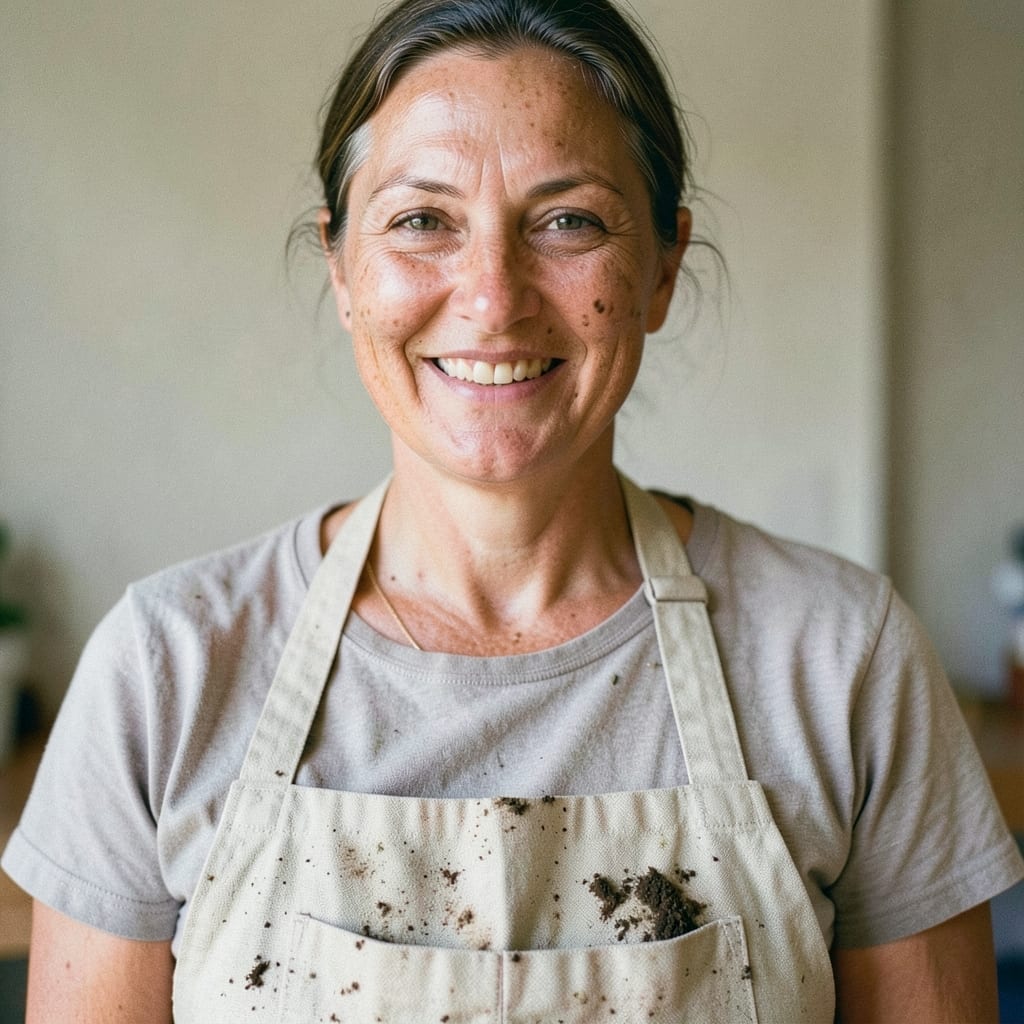
I grew up in a house where the back porch was always overflowing with potted herbs, tomato plants, and my grandma’s famous sunflowers. She taught me that gardening isn’t just about growing things—it’s about patience, curiosity, and the quiet joy of watching something thrive. Now, I run this site to share the lessons I’ve learned, from my first failed attempt at sprouting basil to the triumph of harvesting my first zucchini. Whether you’re a seasoned green thumb or just starting with a windowsill herb garden, I’m here to make the process a little easier—and a lot more rewarding.
To plant a garden in your zone at the right time means the difference between a lush harvest and a season of disappointment—getting the timing down is easier than you think. Picture this: You’ve prepped the soil, chosen…
To plant a vegetable garden in California, timing depends on your zone—whether you're in foggy coastal areas or inland deserts, since the right window can mean the difference between a thriving harvest and a sad, wilted…
Planting a vegetable garden in Iowa at the right time means the difference between a bountiful harvest and a wasted season —and getting those dates wrong can leave you pulling weeds instead of pulling carrots. Iowa’s…
💥 Quick Answer To plant a vegetable garden in Kansas, time your cool-season crops—like peas and spinach—4-6 weeks before the last spring frost (mid-March in Zone 6, late March in Zone 7), and warm-season crops—such as…
Planting a vegetable garden in Mississippi at the right time means the difference between a bountiful harvest and a sad pile of frost-killed seedlings. Mississippi’s warm climate and long growing season make it a…
Planting a vegetable garden in Missouri means timing your crops perfectly between March and May to avoid frost damage or wasted growing days. Missouri’s unpredictable frost dates can make or break your vegetable…
Planting a vegetable garden in North Carolina means timing your seeds and transplants to match the state’s 8 USDA zones , from the chilly mountains to the humid coast. Miss the window, and you risk frost-killed seedlings…
Planting a vegetable garden in New Brunswick means timing your crops to avoid late frosts that can ruin your harvests—and the last frost typically arrives around mid-May . New Brunswick’s unpredictable climate can make…
Planting a vegetable garden in New York at the right time ensures your 🥬 thrives—miss the window, and you risk stunted growth or lost crops entirely. Timing is everything, especially with New York’s unpredictable frost…
To plant a vegetable garden in NJ, time your cool-season crops 4-6 weeks before the last frost and warm-season crops 2-3 weeks after —because missing these windows means wasted seeds or stunted harvests. New Jersey’s…