
Planting
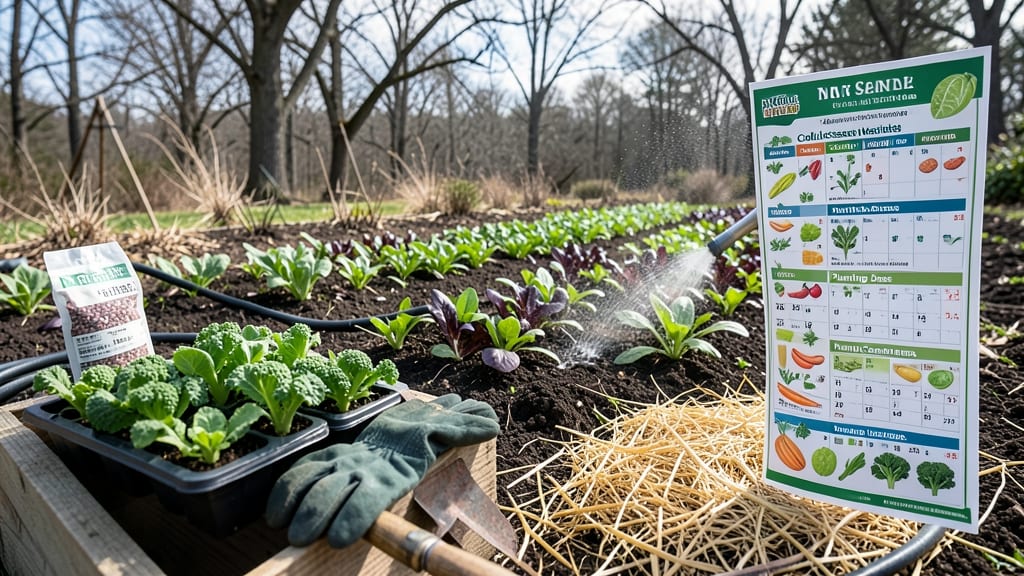
Planting a vegetable garden in North Carolina means timing your seeds and transplants to match the state’s 8 USDA zones, from the chilly mountains to the humid coast.
Miss the window, and you risk frost-killed seedlings or stunted harvests—something I’ve learned the hard way after watching three batches of tomatoes wither under late spring freezes. The good news? With the right schedule, you can grow everything from broccoli to peppers year-round.
North Carolina’s frost dates vary wildly—March in the Piedmont vs. May on the coast—so your planting calendar should too. Below, I break down the exact months for cool-season and warm-season crops, plus how to adjust for microclimates like Asheville’s high elevation or Wilmington’s coastal warmth.
Ready to grow? You’ll learn how to use frost dates, soil temps, and even row covers to extend your season, so you can plant with confidence and harvest like a pro.
NC frost dates by Zone: the exact months to start planting cool vs warm season vegetables
North Carolina’s USDA hardiness zones 7a-8b create dramatic differences in frost timing—from Asheville’s chilly mountains (Zone 7a) to Wilmington’s coastal warmth (Zone 8b). These variations mean your cool-season crops like broccoli and warm-season favorites like tomatoes need precise planting windows to thrive.
Below, we’ve mapped out the average last spring frost and first fall frost for each zone, plus the exact months to plant your top 30 vegetables.
Why does this matter? Planting peppers in April in Zone 7a will fry them, while lettuce in June in Zone 8b bolts faster than you can say “pesticide.”
Use this guide to match your microclimate with the right planting calendar, whether you’re in the foothills, Piedmont, or coastal plain. We’ve also included succession planting tips to maximize your harvests year-round.
📅 Key Dates to Remember:
- Zone 7a (Asheville, Boone): Last frost April 15, first frost November 1
- Zone 7b (Raleigh, Greensboro): Last frost March 25, first frost October 20
- Zone 8a (Fayetteville, Wilmington): Last frost March 1, first frost October 15
- Zone 8b (Coastal NC): Last frost February 15, first frost December 1
For Zone 7a gardeners, start cool-season seeds indoors in February (like broccoli and cabbage) and transplant after your April 15 frost date. Warm-season crops like tomatoes and peppers need to wait until soil temps hit 60°F—typically mid-May—to avoid stunted growth.
Use row covers to extend your spring planting window by 2-3 weeks if frost threatens.
In Zone 8b, you can plant warm-season crops like okra and sweet potatoes as early as February, but heat-loving plants (e.g., peppers) still need consistent warmth.
Take advantage of your longer growing season by planting succession crops every 2 weeks—think bush beans, lettuce, and radishes—to ensure a steady harvest until December.
Pro tip: Soil temperature matters more than air temperature. Use a soil thermometer to confirm 50°F for cool crops and 60°F+ for warm crops before planting.
In Zone 7b, for example, March soil might still be too cold for tomatoes, even if daytime temps feel spring-like. Wait until April 10 to avoid disappointment.
Don’t forget fall planting! In Zone 8a, you can sow cool-season crops like spinach and kale as late as September 1 for a winter harvest.
How to adjust planting times for NC’s microclimates: mountains vs. Piedmont vs. coastal regions
North Carolina’s geography creates dramatic differences in planting times—just a 200-mile drive from Wilmington to Asheville can shift your frost dates by 4-6 weeks. The mountains (Zone 7a) often see frosts until May 15, while the coastal plain (Zone 8a) might stay frost-free until February 15.
Understanding these microclimates helps you avoid planting tomatoes too early in the mountains or broccoli too late near the coast.
Elevation plays a huge role: for every 1,000 feet gained, temperatures drop about 3.5°F. This means Asheville’s 5,000-foot elevation keeps soil cold longer, delaying warm-season crops like peppers and cucumbers by 3-4 weeks compared to Raleigh.
Meanwhile, coastal areas like Wilmington experience higher humidity, which can lead to faster fungal growth—so adjust your watering schedule accordingly.
Soil warmth is another critical factor. In the Piedmont region (like Charlotte), soil reaches 60°F by early April, perfect for planting beans and squash. But in the mountains, you might need to wait until mid-May for the same soil conditions.
Use a soil thermometer to check—warm soil speeds up germination and helps seedlings establish faster.
| Region | Avg. Last Frost | Avg. First Frost | Warm-Season Start | Cool-Season End |
|---|---|---|---|---|
| Mountains (Asheville) | May 15 | Oct 10 | May 20 | Aug 31 |
| Piedmont (Raleigh) | Mar 25 | Nov 1 | Apr 15 | Sep 15 |
| Coastal (Wilmington) | Feb 15 | Dec 1 | Mar 1 | Oct 15 |
If you’re in the mountains, start cool-season crops like spinach and kale in early March, but hold off on warm-season crops until after May 15. In the Piedmont, you can plant tomatoes by April 15 and still get a full harvest before frost.
Coastal gardeners enjoy a longer growing season—plant peppers by March 1 and enjoy harvests until November.
Pro tip: Use local frost date data from the NC State Extension or a personal weather station to fine-tune your schedule. For example, a microclimate near a lake might stay warmer at night, allowing you to plant 2 weeks earlier than the general guideline.
Always have row covers ready for unexpected late frosts, especially in transitional months like April or October.
Adjusting for microclimates also means watching for soil moisture differences. Coastal areas often have sandy soil that dries out faster, while mountain soils may stay damp longer. Amend your soil with compost or peat moss to improve drainage and warmth retention.
With these tweaks, you’ll maximize your harvest—whether you’re in the Blue Ridge or the Outer Banks!