
Tools
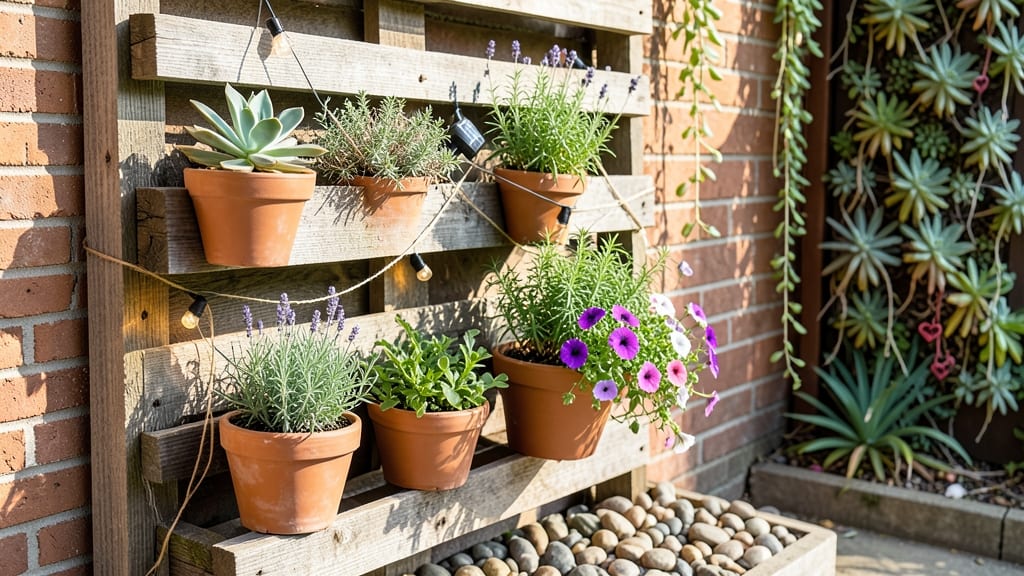
Transforming your outdoor wall into a thriving garden 🌿 is the smartest way to grow more in less space — no yard required.
Picture this: your balcony or patio bursting with fresh herbs, cascading flowers, and maybe even a few veggies—all without sacrificing a single square foot of floor space. That’s the magic of a well-designed wall garden, and it’s easier to set up than you might think.
Whether you’re working with a tiny apartment patio or a cozy backyard corner, vertical gardening opens doors to creative designs that fit your style and needs. From lightweight fabric pockets to sturdy wooden frames, the options are as varied as the plants you can grow.
Below, I’ll walk you through the best space-saving layouts, plant picks for year-round greenery, and simple DIY hacks to get your outdoor wall garden up and flourishing in no time.
How to design a functional outdoor wall garden for small yards
Transforming your small yard into a thriving garden doesn’t mean sacrificing space—outdoor wall gardens are the perfect solution. These vertical spaces maximize square footage while adding beauty and functionality.
Whether you have a sunny patio, shady balcony, or bare wall, a well-designed wall garden can grow herbs, flowers, and even vegetables without taking up valuable ground space.
Before diving into plant selection, focus on the foundation of your design. A functional wall garden requires careful planning for structural support, drainage systems, and sunlight optimization.
Skipping these steps can lead to sagging plants, root rot, or stunted growth. My step-by-step guide ensures your wall garden not only looks stunning but thrives for years to come.
- 1 Assess your wall and sunlight exposure. Measure height, width, and note sunlight patterns (full sun, partial shade, or full shade).
- 2 Choose a structural system. Options include wall-mounted planters, trellis panels, or modular pocket systems. Ensure it supports plant weight and has drainage holes.
- 3 Install a drainage layer. Use gravel or landscape fabric behind planters to prevent water damage to walls. Add drip irrigation or self-watering reservoirs for convenience.
- 4 Select lightweight potting mix with perlite or coco coir for aeration. Avoid heavy garden soil, which can overwhelm roots and cause sagging.
- 5 Choose plants suited to vertical growth. Prioritize trailing vines, compact herbs, or succulents. Group plants with similar sunlight needs together.
- 6 Install support structures like trellises or netting for climbing plants. Secure them to the wall or planters to prevent toppling in wind or rain.
- 7 Water consistently but carefully. Use a watering can with a long spout or drip irrigation to reach all pockets. Check soil moisture daily during hot weather.
- 8 Fertilize monthly during growing season with a balanced liquid fertilizer. Avoid over-fertilizing, which can burn roots in confined spaces.
Once your wall garden framework is in place, the real fun begins with plant selection. Opt for plants that naturally
Best plants for outdoor wall gardens: low-maintenance picks
Creating a thriving outdoor wall garden doesn’t mean trading convenience for beauty. The right low-maintenance plants can turn your vertical space into a lush, functional oasis with minimal effort.
I’ve selected hardy varieties that thrive in containers, resist pests, and require little more than basic care—perfect for busy gardeners or small yards.
For herbs and edibles, basil and thyme are my top picks—they love sun, grow compactly, and reward you with fresh flavors. Succulents like sedum and echeveria add texture while demanding almost no water, making them ideal for forgetful plant parents.
Trailing vines such as nasturtiums or string of pearls spill beautifully over edges, softening the vertical lines of your wall.
To make your wall garden even easier to manage, pair plants with similar needs. Companion planting isn’t just for ground gardens—it works vertically too. For example, marigolds deter pests near basil, while lavender repels mosquitoes and thrives alongside rosemary. This strategy reduces maintenance and boosts health.
Drainage and sunlight are the two most critical factors for wall garden success. Most of these plants prefer well-draining soil and 4–6 hours of sun daily, but I’ve included drought-tolerant options for shadier spots. Always use containers with drainage holes to prevent root rot—a common wall garden pitfall.
| Plant | Sun Needs | Water Needs | Mature Size | Care Tips |
|---|---|---|---|---|
| Basil | Full sun (6+ hrs) | Medium (keep soil moist) | 1–2 ft tall | Pinch flowers for flavor |
| Thyme | Full sun to partial shade | Low (drought-tolerant) | 6–12 in tall | Prune to encourage bushiness |
| Sedum (Stonecrop) | Full sun | Very low (water weekly) | 1–2 ft tall | No pruning needed |
| Nasturtium | Partial sun (4–6 hrs) | Medium (keep soil moist) | 1–3 ft tall | Deadhead for continuous blooms |
| Lavender | Full sun | Low (drought-tolerant) | 2–3 ft tall | Prune after flowering |
If you’re short on time, self-watering planters can cut your maintenance by half. These systems deliver moisture directly to roots, reducing evaporation and overwatering risks. For trailing plants, allow 12–18 inches of space per plant to prevent overcrowding and ensure airflow—critical for disease prevention.
My go-to combo for a no-fuss wall garden? Layer lavender at the top for fragrance, thyme in the middle for texture, and nasturtiums trailing over the edge.
This trio thrives in full sun, repels pests naturally, and adds color year-round with minimal pruning. Plus, you’ll always have fresh herbs for cooking!
Start small with 2–3 plants to test your setup, then expand next season. With the right choices, your outdoor wall garden will feel like a built-in green escape—without the upkeep of a full yard. Happy planting! 🌿