
Fertilization
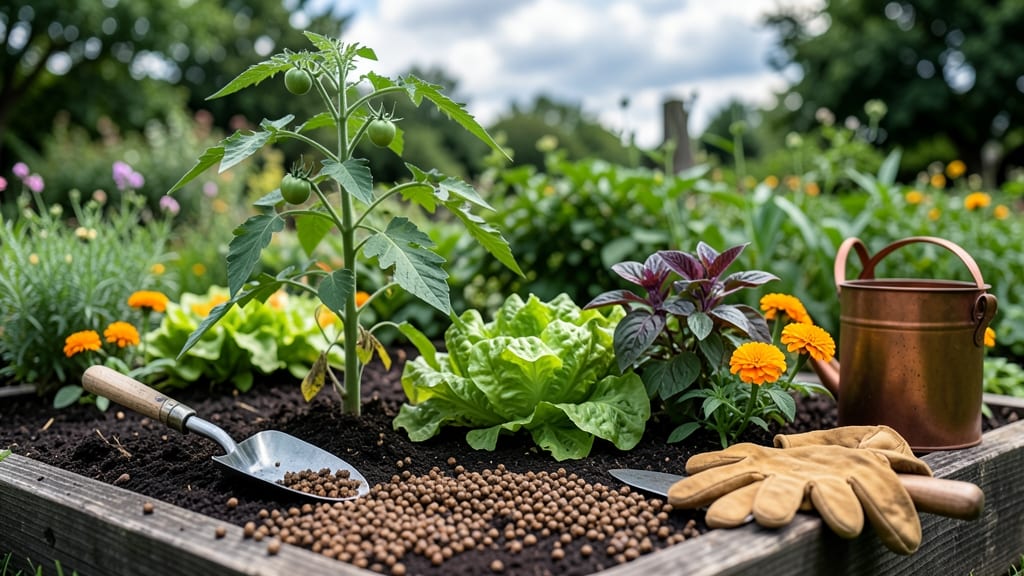
You should fertilize your garden when soil tests reveal nutrient deficits—typically at planting, mid-season, and after harvest—but timing varies wildly by plant type and climate.
Picture this: You spread fertilizer in early spring, only to watch your tomatoes bolt to seed before they ripen. Or your fall broccoli turns bitter because you fed it too late. The key is matching nutrients to the plant’s growth stage, not just the calendar.
In this guide, I’ll break down the exact fertilization windows for vegetables, flowers, and lawns—plus how to read your soil test like a pro. No more guesswork, no more wasted fertilizer.
You’ll learn when to feed spring greens for lush growth, when to switch to high-phosphorus for fruiting plants, and why fall fertilizing can backfire unless you follow these rules.
Soil test results: the ultimate fertilizer timing guide
Your soil test results hold the key to unlocking your garden's full potential. Understanding nitrogen (N), phosphorus (P), and potassium (K) levels helps you determine the perfect fertilization window for your plants.
Too early, and nutrients get wasted; too late, and your plants struggle to thrive. Let's break down how to read those numbers and act on them.
First, check your nitrogen levels. High nitrogen (above 100 ppm) signals your garden is ready for a balanced fertilizer in early spring, just as plants break dormancy.
If nitrogen is low (below 50 ppm), hold off until you've amended the soil with compost or a nitrogen-rich fertilizer like blood meal. This ensures your plants get the boost they need without overwhelming them.
Phosphorus plays a crucial role in root development and flowering. A phosphorus level below 20 ppm means your garden needs a phosphorus kickstart—apply a bone meal or rock phosphate fertilizer in late winter or early spring, about 4-6 weeks before planting.
For levels above 100 ppm, phosphorus is already abundant, so focus on other nutrients instead.
Potassium is the unsung hero for disease resistance and overall plant health. If your test shows potassium levels below 150 ppm, apply a potassium-rich fertilizer like greensand or wood ash in early summer to support plants during their peak growth phase.
For levels above 300 ppm, potassium is already sufficient, and you can skip this step.
| Nutrient Level | Action | Best Time to Fertilize | Plant Type |
|---|---|---|---|
| Nitrogen < 50 ppm | Amend with compost | Early spring (March) | Vegetables, lawns |
| Phosphorus < 20 ppm | Apply bone meal | Late winter (Feb) | Flowers, fruiting plants |
| Potassium < 150 ppm | Use greensand | Early summer (June) | Trees, shrubs |
| Balanced NPK (10-10-10) | Apply at planting | Spring (April) | All plants |
| High phosphorus (>100 ppm) | Skip phosphorus | Focus on N/K | All plants |
For vegetables, aim to fertilize in early spring (March) with a balanced fertilizer like 10-10-10, then again in late spring (May) when plants are actively growing.
Leafy greens like lettuce and spinach benefit from a nitrogen boost, while fruiting plants like tomatoes and peppers need phosphorus and potassium for strong roots and fruit production.
When it comes to flowers, timing is everything. Apply a phosphorus-heavy fertilizer in late winter (February) to encourage blooming. For perennials, a light feeding in early spring (March) and again in mid-summer (July) will keep them vibrant.
Annuals, on the other hand, need a monthly feeding during their growing season to maintain color and health.
Lawns have different needs. If your soil test shows low nitrogen, apply a slow-release nitrogen fertilizer in early spring (March) and again in early fall (September). Avoid fertilizing in late summer or fall, as this can promote tender new growth that won't survive winter freezes.
Don’t forget about organic matter. If your soil test reveals low organic content, mix in compost or aged manure in early spring (March) before planting. This not only improves soil structure but also provides a steady supply of nutrients as it breaks down over time.
Always apply fertilizer in the morning to give plants time to absorb nutrients before the heat of the day. Water thoroughly after application to help nutrients penetrate the soil and reach plant roots. This simple step can make all the difference in how effectively your plants use the fertilizer.
By following this soil-test-based approach, you’ll ensure your garden gets the right nutrients at the right time, leading to healthier plants, better yields, and fewer wasted resources. Happy gardening! 🌱
Seasonal fertilization schedule by plant type
Fertilizing your garden isn’t a one-size-fits-all task—it’s all about timing and plant type. Annuals, perennials, trees, and vegetables each have unique nutrient needs tied to their growth cycles.
For example, vegetables like tomatoes thrive with a high-phosphorus boost when flowering, while perennials benefit from a slow-release fertilizer in early spring. Even trees need a different approach, with deep-root feeding in late fall to prepare for winter dormancy.
Organic fertilizers, like compost or manure, release nutrients gradually, making them ideal for long-term feeding during the growing season. Synthetic fertilizers, on the other hand, provide an immediate nutrient spike—perfect for correcting deficiencies quickly.
The key is to match the fertilizer type to your seasonal schedule and plant’s life stage. For instance, a light application of organic matter in early spring primes the soil, while a balanced synthetic feed mid-summer can give fruiting plants the extra push they need.
- 🌱 Early Spring (March-April): Fertilize annuals and vegetables at planting with a balanced 10-10-10 fertilizer. Perennials and shrubs benefit from a slow-release organic like compost or worm castings.
- ☀️ Late Spring (May-June): Shift to high-phosphorus (5-10-10) for flowering plants like roses or tomatoes. Trees and shrubs can receive a deep-root fertilizer in early June to support summer growth.
- 🌿 Summer (July-August): Lightly feed vegetables every 4-6 weeks with a balanced or high-potassium fertilizer (e.g., 10-10-20) to encourage fruiting. Avoid heavy feeding perennials—they prefer organic mulch over synthetic boosts.
- 🍂 Fall (September-October): Fertilize cool-season crops (e.g., spinach, kale) with a light nitrogen-rich feed. For trees and shrubs, apply a slow-release organic in late fall to build root strength for winter.
- ❄️ Winter (November-February): Skip fertilizing dormant plants. Instead, focus on soil prep—add compost or cover crops to replenish nutrients for spring.
Adjusting for organic vs. synthetic fertilizers is simple once you know your plants’ needs. Organic options, like fish emulsion or bone meal, are best for long-term soil health and work well in early spring or fall.
Synthetics, such as granular 10-10-10, are great for quick fixes during peak growing months. For example, if your tomatoes are struggling to fruit, a high-phosphorus synthetic in July can turn things around faster than organic alone.
One common mistake I see is over-fertilizing in late summer, which can lead to excessive leafy growth at the expense of flowers or fruit. Instead, taper off fertilizing by mid-August to let plants harden off before fall.
Another tip: always water deeply after applying fertilizer to help nutrients reach the roots—this is especially critical for container plants, which dry out faster.
Pro tip: Pair your fertilization schedule with regular mulching. A 2-inch layer of straw or wood chips retains moisture and slowly releases nutrients, reducing the need for frequent feeds. For acid-loving plants like blueberries or azaleas, use pine needles or peat moss as mulch to maintain soil pH naturally.
By aligning your fertilization with the plant’s growth cycle and seasonal cues, you’ll avoid wasted nutrients and give your garden the peak performance it deserves. Start with a soil test to fine-tune your approach, and watch your plants thrive year after year! 🌻