
Planting
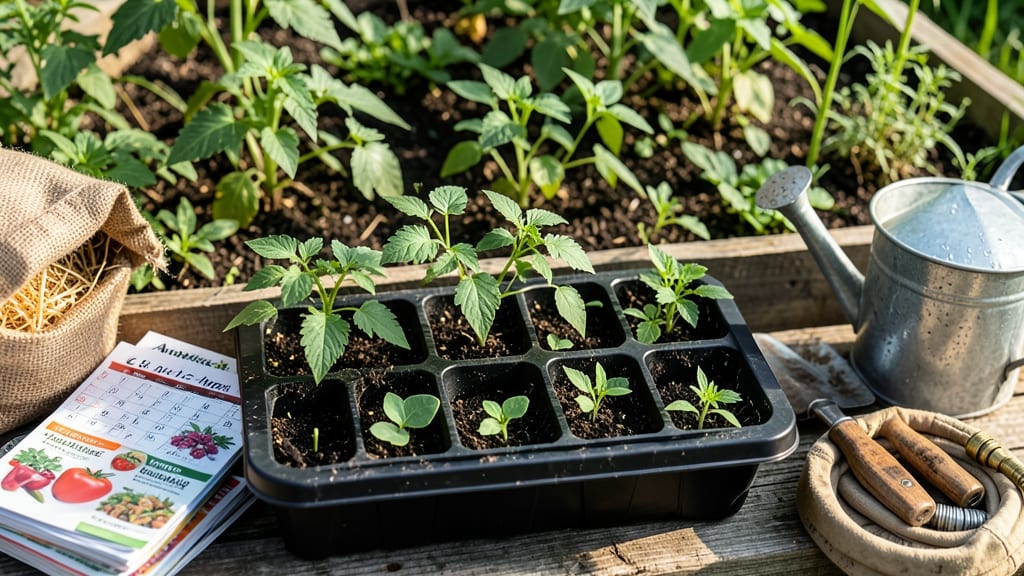
Planting a garden in Arkansas means timing your crops to avoid frost damage and maximize harvests—whether you're sowing cool-season greens or heat-loving okra.
Arkansas gardeners know timing is everything—plant too early and risk frost damage, too late and miss peak harvests. But with the state’s diverse climate zones, figuring out the perfect planting window can feel overwhelming.
From late February to early April, the spring planting window opens for cool-season crops like lettuce and peas, while warm-season favorites like tomatoes and peppers wait until soil warms to 60°F in late April or May.
Here’s how to align your planting schedule with Arkansas’ frost dates, region-specific tips, and a month-by-month guide to get the best harvests all season long.
Arkansas frost dates by region: key planting windows explained
Arkansas spans USDA zones 6a-8b, creating dramatic differences in frost timing across its six regions. The Northwest and Northeast experience earlier frosts, while the Delta and Southeast enjoy longer growing seasons.
Understanding these last spring frost and first fall frost dates is critical for timing cool-season and warm-season crops correctly.
Cool-season crops like lettuce, spinach, and broccoli thrive when planted 4-6 weeks before your region’s last frost date. Warm-season crops such as tomatoes, peppers, and squash need to wait until soil temperatures reach at least 60°F and all frost risk has passed.
Let’s break down the planting windows for each of Arkansas’ six regions.
🌱 Pro Tip: Use row covers or cold frames to extend your planting windows by 2-4 weeks in both spring and fall.
| Region | Last Spring Frost | First Fall Frost | Cool-Season Planting Window | Warm-Season Planting Window |
|---|---|---|---|---|
| Northwest (e.g., Fayetteville, Rogers) | March 15 - April 1 | November 1 - November 15 | February 15 - March 15 | April 15 - May 1 |
| Northeast (e.g., Harrison, Clarksville) | March 20 - April 5 | October 30 - November 10 | February 20 - March 20 | April 10 - April 25 |
| Central (e.g., Little Rock, Conway) | March 10 - March 25 | November 5 - November 20 | February 28 - March 15 | April 1 - April 15 |
| South (e.g., El Dorado, Hope) | March 5 - March 20 | November 10 - November 25 | March 1 - March 10 | March 20 - April 5 |
| Southeast (e.g., Jonesboro, Pine Bluff) | March 1 - March 15 | November 15 - December 1 | March 1 - March 15 | March 15 - April 1 |
| Delta (e.g., Helena, Marianna) | February 20 - March 10 | November 20 - December 5 | February 28 - March 15 | March 1 - March 15 |
In the Northwest and Northeast, where frosts linger longer, start cool-season crops as early as mid-February under row covers. These regions can also benefit from early spring planting of hardy greens like kale or collards, which tolerate light frosts.
For warm-season crops, wait until mid-April to avoid late spring frosts that can devastate tender seedlings.
The Central region offers a balance, with Little Rock’s last frost typically around March 15. This gives gardeners a 3-week window to plant cool-season crops like carrots or radishes before soil warms.
Warm-season crops like okra and sweet potatoes thrive here and can be planted as early as mid-March in prepared beds.
Southern Arkansas, including the Southeast and Delta, enjoys the longest growing seasons. Here, cool-season crops can be planted as late as March 15, and warm-season crops like tomatoes and peppers can often be direct-sown by mid-March.
The Delta’s mild winters even allow for year-round production of leafy greens with protection.
For warm-season crops, always check soil temperature with a thermometer—60°F is the magic number for tomatoes and peppers, while
Best months to plant vegetables in Arkansas: a month-by-month guide
Arkansas gardeners know that the right planting time can mean the difference between a bountiful harvest and wasted effort. With USDA zones 7a-8b and humid subtropical conditions, timing your vegetable garden correctly is key.
Whether you're growing tomatoes, peppers, or leafy greens, each crop has its ideal window.
Microclimates—like urban heat islands or protected rural spots—can shift planting dates by 2-4 weeks. For example, Little Rock’s urban areas may stay warmer longer than Mountain Home’s cooler highlands. Adjust your schedule based on your local frost dates and soil warmth.
🌱 Arkansas Planting Calendar by Month
- February-March: Start cool-season crops like lettuce, spinach, and onions 4-6 weeks before last frost. Peas and broccoli thrive in early spring.
- April: Plant warm-season crops like tomatoes, peppers, and squash after soil reaches 60°F. Cucumbers and beans also love this month.
- May-June: Succession plant greens (e.g., kale) and root veggies (e.g., carrots). Okra and sweet potatoes prefer hotter soil.
- July-August: Direct-sow fall crops like turnips and radishes for late harvests. Herbs (e.g., basil) thrive in summer heat.
- September-October: Plant cool-season crops again for fall/winter harvests. Garlic and onions can be sown in late fall.
🌿 Pro Tip: Use row covers to extend spring/fall planting by 2-3 weeks.
For warm-season crops like tomatoes and peppers, wait until after the last frost date (typically mid-March to early April).
Test soil warmth with a soil thermometer—it should stay above 60°F for 5+ days. Cool-season crops, such as kale and spinach, tolerate light frosts and can be planted 4-6 weeks before the last expected frost.
Adjust for microclimates: Urban gardens often warm up faster in spring, while rural areas may need later planting.
Monitor local weather forecasts and use frost cloth to protect tender seedlings if nights dip below 32°F. Herbs like basil and cilantro also respond well to container gardening, giving you flexibility in timing.
Don’t forget succession planting! For crops like lettuce or bush beans, sow new seeds every 2-3 weeks to ensure a continuous harvest. This works especially well in Arkansas’s long growing season (up to 240 frost-free days in the south).
By following this month-by-month guide and adjusting for your local conditions, you’ll maximize your Arkansas garden’s potential—whether you’re growing heirloom tomatoes or heat-loving okra. Happy planting! 🌱