
Planting
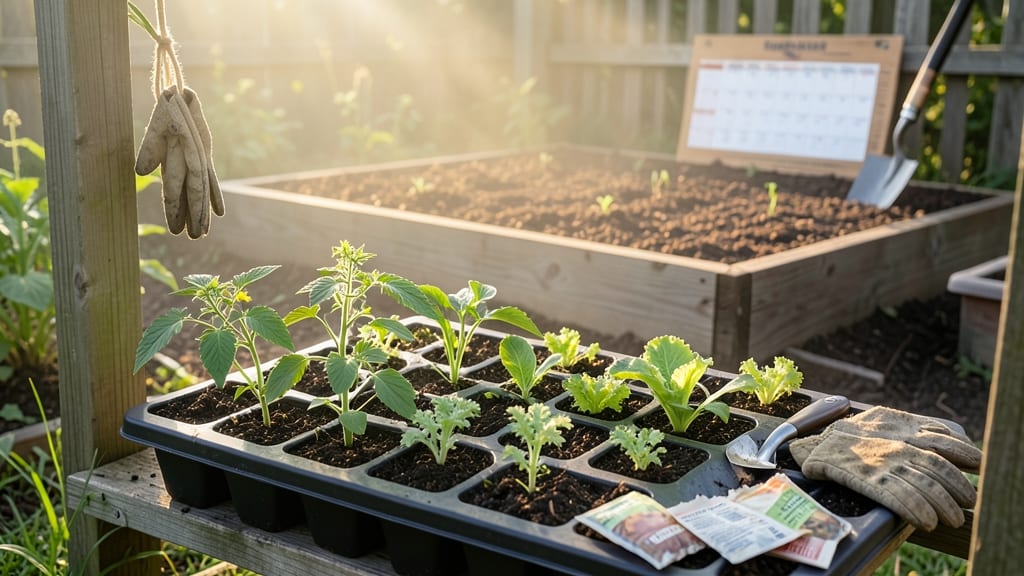
Planting a vegetable garden in Missouri means timing your crops perfectly between March and May to avoid frost damage or wasted growing days.
Missouri’s unpredictable frost dates can make or break your vegetable garden—plant too early, and you’ll risk losing your crops to late freezes; too late, and you’ll miss the growing season entirely.
With USDA zones 5b-7a and frost-free days ranging from 150 to 200, knowing your region’s last spring frost (average March 15) and first fall frost (average October 15) is the key to success.
In this guide, I’ll break down the best planting windows for your favorite crops, from cool-season greens to heat-loving tomatoes, so you can maximize your harvest all season long.
Missouri’s frost dates by region: when to start planting vegetables
Missouri’s frost dates vary dramatically across its five distinct regions, making it critical to know your local last spring frost and first fall frost timelines. Whether you're growing cool-season greens like spinach or warm-season favorites like tomatoes, timing is everything.
In this guide, I’ll break down the average frost dates for Missouri’s key regions—St. Louis, Kansas City, Columbia, Springfield, and the Southeast—so you can plan your planting schedule with confidence.
Understanding these frost-free windows helps you avoid common mistakes like planting tomatoes too early or lettuce too late. For example, the Southeast region typically enjoys a longer growing season, while northern Missouri faces earlier frost risks.
By aligning your seed starting and transplanting with these dates, you’ll maximize your harvest and minimize losses from unexpected late freezes.
The comparison below shows last spring frost and first fall frost dates for Missouri’s regions, along with planting windows for cool-season and warm-season crops. Use this as your roadmap to successful vegetable gardening in the Show-Me State.
For cool-season crops like kale, spinach, and peas, aim to plant 4-6 weeks before your last spring frost. In St. Louis, this means starting seeds indoors by mid-February for an outdoor transplant in early April.
In the Southeast region, you can even plant some cold-hardy greens as early as January for an early harvest.
Warm-season crops such as tomatoes, peppers, and beans need to wait until 2-3 weeks after your last frost date. In Kansas City, this typically means transplanting seedlings by early May, while in Columbia, you can push it to late April.
Always check soil temperatures—warm-season crops thrive in soil that’s at least 60°F. Use a soil thermometer to confirm before planting.
Fall planting is another opportunity to extend your harvest. Start cool-season crops like broccoli and carrots 8-10 weeks before your first fall frost. In Springfield, this means sowing seeds by mid-August, while in St. Louis, you can wait until early September.
Use row covers or cold frames to protect tender plants from early frosts and push your harvest into late fall.
Missouri’s microclimates can create big differences in frost dates, even within the same region. For example, a south-facing slope may warm up faster in spring, while a low-lying area could experience frost later.
Pay attention to local patterns in your specific neighborhood—your neighbor’s garden might have a slightly different frost date than yours!
To stay ahead of frost risks, I recommend using local weather tools like the Missouri Climate Center or Almanac frost date maps. These resources provide historical frost data and can help you adjust your planting schedule year to year.
Additionally, consider using season extenders like hoop houses or cold frames to give your plants a head start in early spring or a late-season boost in fall.
Remember, these dates are <
Best vegetables to plant in Missouri by season: a month-by-month guide
Missouri’s growing season offers a perfect window for both cool-season and warm-season vegetables, but timing is everything. Start with cold-hardy greens in early spring and transition to heat-loving tomatoes and peppers once temperatures rise.
The key is balancing frost dates with plant maturity—most vegetables need 60-90 days to harvest, so plan accordingly. Below, I’ve broken down the best plants for each month, from February’s early sowings to October’s fall crops, plus tips for succession planting to keep your harvests flowing.
For Missouri’s USDA zones 5b-7a, the average last frost date falls around March 15, while the first frost typically hits October 15.
Use this timeline to guide your planting, but always check local forecasts—especially in microclimates like urban areas or valleys, where frost can arrive earlier or later. Pro tip: Hardening off seedlings and using row covers can extend your season by 2-4 weeks in both spring and fall.
For continuous harvests, practice succession planting—sow lettuce, radishes, or beans every 2-3 weeks from spring to fall. This ensures you’re always pulling fresh produce from the garden.
For example, radishes mature in just 25 days, making them perfect for quick turnarounds. Pair them with slow-growing crops like carrots (60-80 days) to maximize space.
Don’t overlook fall planting—September and October are ideal for cool-season crops like spinach and kale, which taste sweeter after a light frost. Use row covers or low tunnels to extend the season by 4-6 weeks.
My favorite trick? Plant garlic in October—it overwinters and yields larger bulbs the following summer. Just remember to chop off flower stalks to redirect energy to bulb growth.
Missouri’s warm-season vegetables, like tomatoes and peppers, thrive when nights stay above 50°F. If you’re eager to plant early, use black plastic mulch or cloches to warm the soil faster. For late-season tomatoes, try cherry varieties like ‘Sweet 10