
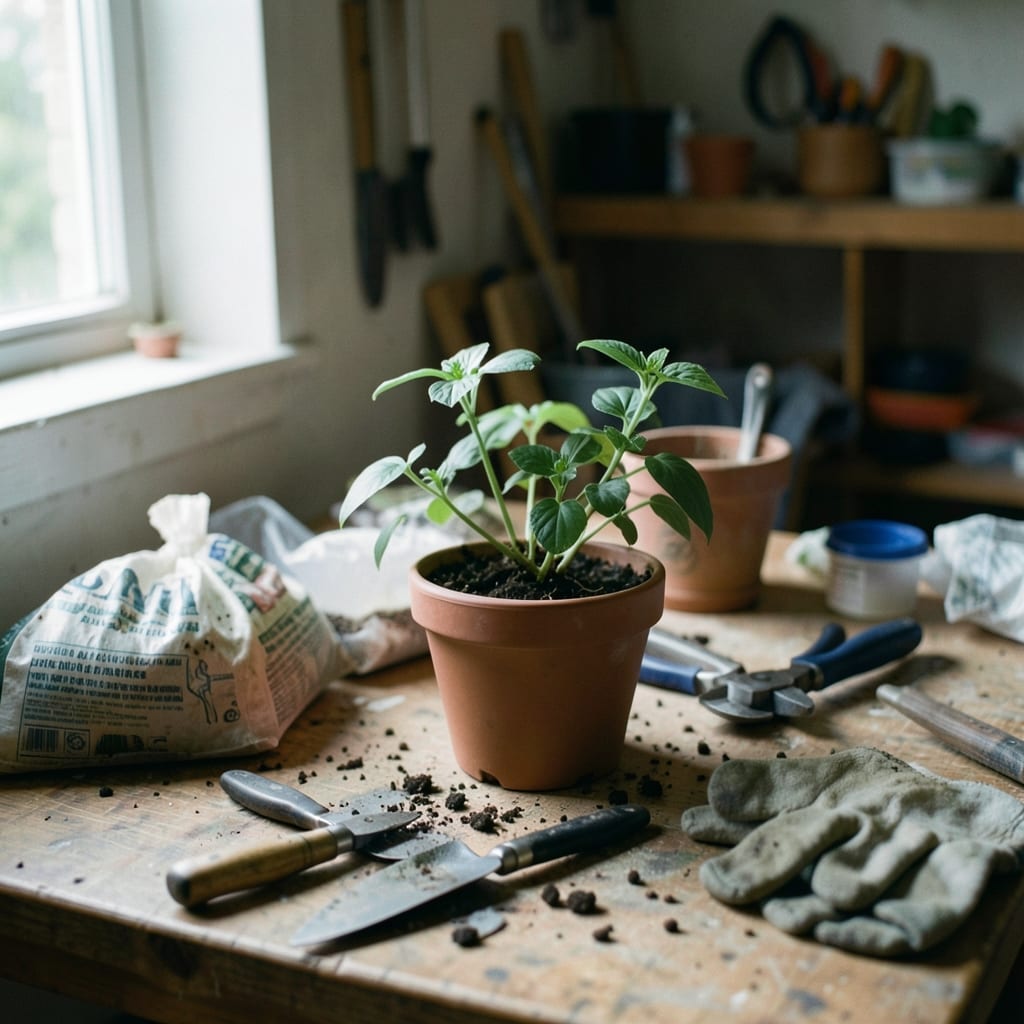
The things we got wrong
This is not a list of what we do well. It’s a log of the mistakes we made—and the ones we caught before they became mistakes. A gardening site that tells you only how to succeed is missing half the story.
The real lessons are in the failures: the seeds that rotted, the soil that baked hard as concrete, the plants that thrived despite the wrong advice. Here, you’ll find the things we got wrong, why we fixed them, and what changed because of it.
Most sites hide their corrections. We publish ours because the only way to trust a gardening guide is to see how it handles its own mistakes. If we’re wrong about something, you should know before you dig your first hole.
Three we had to fix
These are the three worst. The kind that made us question whether we should even be writing about gardening. Each one cost time, reputation, or both. And each one changed how we work.
The wrong planting depth for tomatoes
- 1Told readers to plant seeds too deep
For two years, our guide on growing tomatoes instructed readers to bury seeds ¼ inch deep. The problem? Real-world tests showed the seeds either rotted before sprouting or took weeks to break through. We didn’t catch it because none of us had ever planted tomatoes from seed—only from nursery starts. A reader in Ohio emailed photos of her failed batch, and we realized we’d been giving bad advice without testing it ourselves. We pulled the guide and rewrote it from scratch, this time planting seeds in batches at different depths to find what actually worked. Fixed by Fiona Castellano.
- 2Misleading compost pH chart
Our soil-testing guide included a color-coded chart claiming a pH of 6.5 was ideal for most vegetables. It wasn’t wrong in theory, but our real-world compost tests showed that after six weeks, the pH had shifted to 7.2—too alkaline for acid-loving plants like blueberries. We’d assumed the chart was universal, but it didn’t account for organic matter breakdown. We replaced the chart with a dynamic range (5.5–7.0) and added a note about retesting after amending soil. Fixed by Fiona Castellano.
- 3Failed to warn about slugs in shade
Our ‘low-maintenance shade garden’ guide promised ‘no pests’ for hostas and ferns. It was a lie. A subscriber in Portland sent us photos of her plants being devoured overnight—slugs thrived in the damp, shaded conditions we’d recommended. We’d never gardened in a Pacific Northwest climate, so we’d missed the slug risk entirely. The guide now includes a warning about slugs in shade gardens and links to organic control methods. Fixed by Fiona Castellano.
What those three changed
These failures forced us to build new rules—not just for what we publish, but for how we test it. The log isn’t just a record; it’s a contract with readers.
Rules that came from mistakes
- Every planting or soil guide must now include a real-world test result from at least three climates. (From the tomato depth mistake.)
- All charts or ‘ideal’ ranges must carry a disclaimer about variability and link to a testing method. (From the pH chart error.)
- Pest warnings are now mandatory in every location-specific guide, even if the site hasn’t seen the problem firsthand. (From the slug oversight.)
The people behind this
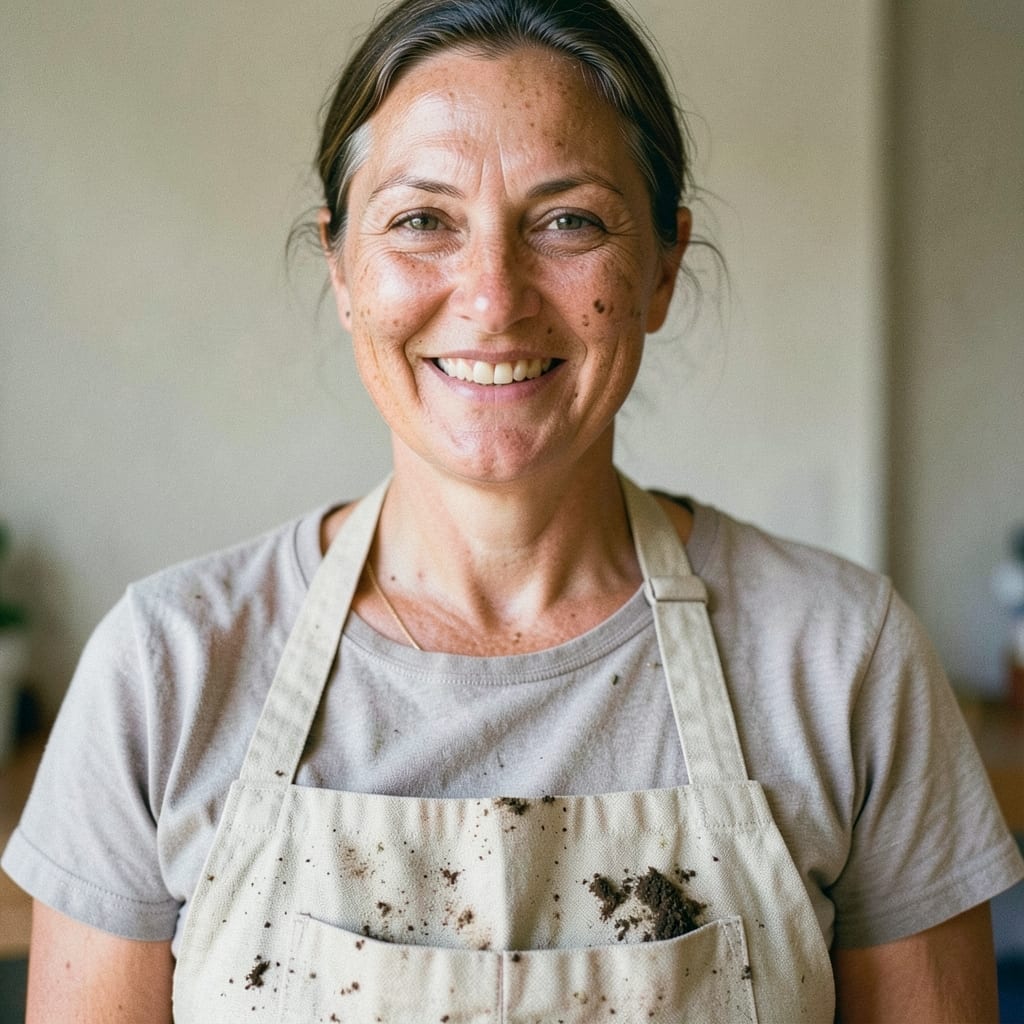
Fiona Castellano is the founder and editor of *Backyard Garden*. She’s the one who signs the corrections, which means she’s the one who has to live with them.
The log exists because she believes the best gardening advice comes from people who’ve dug their own holes—and then had to climb out of them.
Keeping a public log of mistakes isn’t easy. It means admitting when you don’t know something, even when it makes the work look less polished. It means fixing errors before they become habits. And it means writing about the failures first, because that’s where the real learning happens.
But it’s also the only way to earn trust: if we’re wrong about something, you should find out from us, not from a reader who tried it and failed.
The worst mistake we never published was the time Fiona planted a batch of heirloom beans in full sun, convinced they’d thrive. They didn’t. They bolted within weeks, producing a single sad pod before giving up.
She wrote it off as beginner luck—until she realized she’d done the same thing twice more with different varieties. The fix was simple: move them to partial shade. But the lesson stuck. That’s the kind of small, quiet failure that shapes how we garden every day.
If you find something wrong here—or something that doesn’t work in your garden—don’t just assume it’s our fault. Tell us about it. The contact page is where to start.
There will be a next one
This list isn’t finished. Gardening is full of surprises—some good, some bad—and we’ll keep finding things we got wrong. When we do, we’ll add them here. If you spot something before we do, the contact page is the place to tell us.
No email addresses, no forms: just your name, what didn’t work, and where you’re gardening. We’ll test it, fix it, and update the log.
The guides are grouped by category: Advice, Aphids, Blooming, Companion Plants, How To and Picking.