
How To
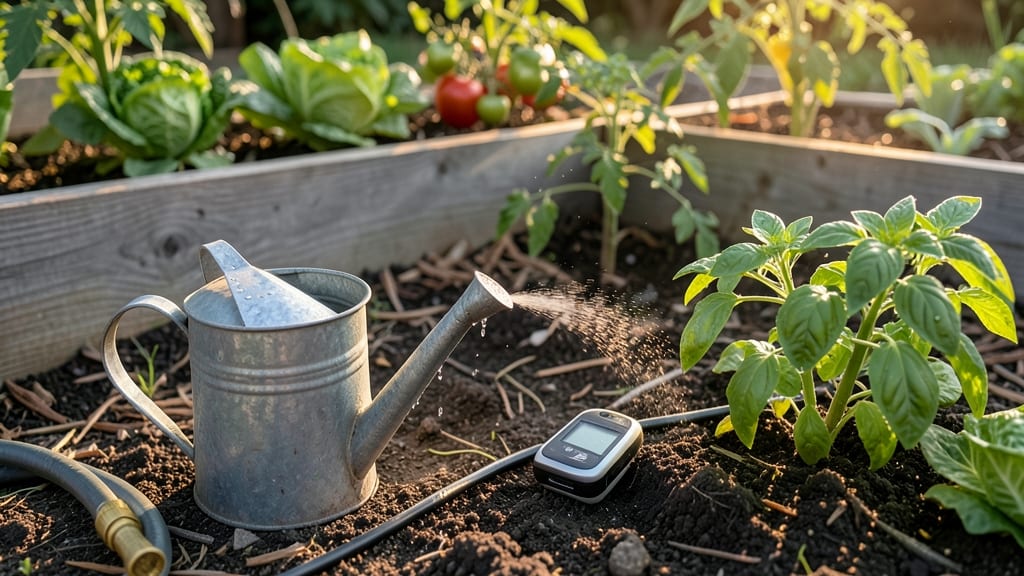
Watering your vegetable garden the right way—how often and how much—determines whether your 🥬 plants thrive or struggle.
Overwatering or underwatering your vegetable garden can mean the difference between a bountiful harvest and wilted disappointment—yet most gardeners guess rather than follow science-backed schedules tailored to their plants.
Here’s the truth: leafy greens like lettuce need 1 inch of water weekly, while heavy feeders like tomatoes demand 1-2 inches. Soil type, weather, and season throw even more variables into the mix.
In this guide, you’ll discover plant-specific schedules, how to read your soil’s thirst cues, and the best tools to keep moisture just right—so you water less but smarter.
Science-backed watering frequency for 12 common vegetable types
Watering your vegetable garden isn't a one-size-fits-all task—each plant has unique hydration needs that directly impact flavor, yield, and even disease resistance.
Research from the University of California Cooperative Extension shows that tomatoes and peppers require 1-2 inches of water weekly, while leafy greens like lettuce thrive with just 1 inch per week. The key lies in understanding soil moisture triggers and adjusting for seasonal heat or drought conditions.
Most gardeners overestimate how much water their plants need, leading to wasted resources or—just as problematic—underwatering that stresses plants. A 2021 study in HortScience found that drip irrigation delivers water 30% more efficiently than overhead sprinklers, reducing evaporation while keeping roots consistently moist.
Let's break down the science-backed schedules for your most common vegetables.
| Vegetable | Water Needs (Weekly) | Soil Moisture Trigger | Seasonal Adjustments |
|---|---|---|---|
| Tomatoes | 1.5–2 inches | Top 2" dry | Increase to daily in 90°F+ |
| Peppers | 1–1.5 inches | Top 1" dry | Reduce slightly in fall |
| Cucumbers | 1.5 inches | Top 3" dry | Critical during fruiting |
| Lettuce | 1 inch | Top 1" dry | Reduce in cool weather |
| Spinach | 0.75–1 inch | Top 1" dry | Avoid soggy soil |
| Carrots | 1 inch | Top 2" dry | Keep soil loose |
| Onions | 1–1.5 inches | Top 1" dry | Taper off before harvest |
| Beans | 0.75–1 inch | Top 1" dry | Reduce after flowering |
| Corn | 1.5–2 inches | Top 3" dry | Critical during tasseling |
| Broccoli | 1–1.5 inches | Top 2" dry | Consistent moisture |
| Peas | 0.5–1 inch | Top 1" dry | Reduce in rainy seasons |
How to adjust your watering schedule for climate and soil typeYour vegetable garden’s watering needs aren’t one-size-fits-all—they depend on whether your soil is sandy or clay-heavy and if you live in a hot desert climate or a cool coastal region. Sandy soil drains quickly, while clay holds moisture like a sponge, and both extremes demand different approaches. Let’s break down how to tailor your schedule to avoid root rot or blossom-end rot while keeping plants thriving. Climate plays a huge role too. In arid regions, you might water daily in peak summer, while in humid zones, morning watering prevents fungal diseases. The key is understanding your soil’s moisture retention and adjusting frequency—not volume—based on weather patterns. For example, tomatoes in clay soil may need water every 3 days, but the same plants in sandy soil could dry out in 24 hours. 🔹 PROS-CONS BOX 🔹 Adjusting Watering for Sandy vs. Clay Soil
Sandy Soil
Clay Soil
Hot/Dry Climates
Cool/Moist Climates
Mulching is your secret weapon for water conservation. A 3-inch layer of mulch (straw, wood chips, or leaves) reduces evaporation by up to 50% and keeps roots cool. For sandy soil, use lighter mulch like straw; for clay soil, opt for thicker layers to prevent cracking. Pro tip: Refresh mulch every 2-3 months to maintain effectiveness, especially in hot climates where evaporation is relentless. Watch for warning signs like wilting (underwatering) or yellowing leaves (overwatering). In clay soil, plants may show blossom-end rot (calcium deficiency from inconsistent moisture), while sandy soil can cause nutrient burnout if watered too lightly. Adjust your schedule by checking soil 1 inch deep—if it’s dry, water; if it’s damp, wait. A simple moisture meter ($10 at garden centers) takes the guesswork out of it. Seasonal shifts demand flexibility too. In summer, increase frequency but reduce volume to prevent runoff; in spring/fall, water deeply but less often. For root crops like carrots, keep soil evenly moist, while leafy greens tolerate slight dryness better. The goal? Consistent moisture without waterlogging—your plants will reward you with healthier growth and better yields. Start with these adjustments, and soon you’ll master the art of climate-smart watering. Your garden’s thriving plants will thank you—no more wasted water or sad, wilted veggies! 🌱 |