
How To
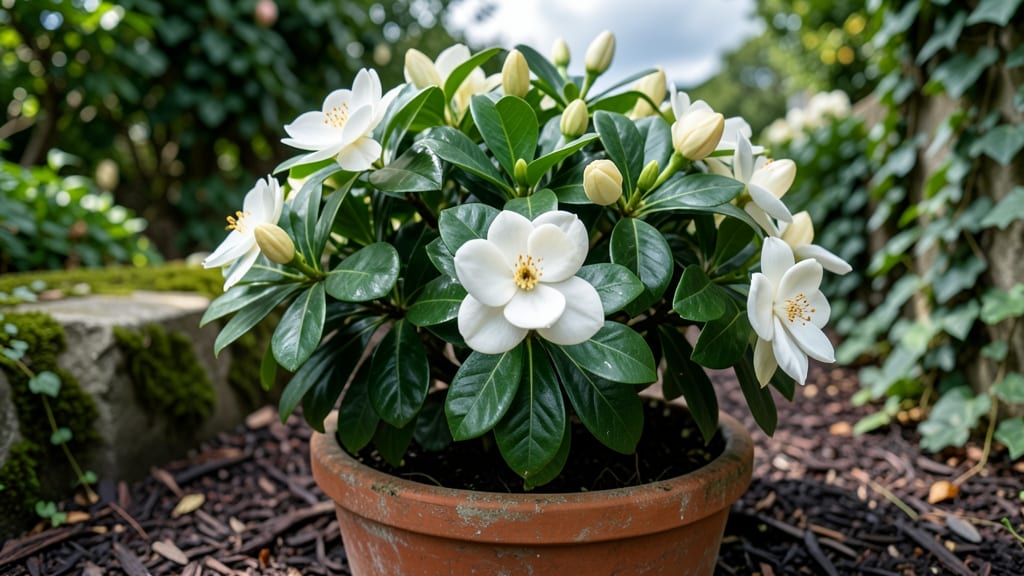
Gardenia bushes grow anywhere from 2 to 6 feet tall depending on the variety, with some sprawling varieties reaching even wider—so choosing the right one for your space is key to avoiding overcrowded roots or missed blooms.
Picture this: a 6-foot-tall gardenia 🌸 dominating your patio, its glossy leaves brushing your shoulder, while a dwarf variety stays neatly contained in a pot. The difference isn’t just aesthetics—it’s about how much room you can realistically dedicate to these fragrant shrubs without sacrificing their health or your garden’s layout.
In this guide, we’ll break down the mature size of the most popular gardenia varieties, from compact 1.5-foot dwarfs to towering 6-foot giants, so you can pick the perfect fit for your yard, balcony, or container garden.
You’ll also learn how to manage growth through pruning, when to expect blooms based on size, and which varieties thrive in tight spaces versus sprawling landscapes—so your gardenia doesn’t just fit, but flourishes.
Gardenia bush size by popular variety: height and spread guide
Choosing the right gardenia variety starts with understanding their mature size. Some stay compact enough for containers, while others grow into towering shrubs. The Gardenia jasminoides species alone offers dramatic size variations, from 1.5-foot dwarfs to 6-foot giants.
Knowing these dimensions helps you avoid overcrowding or underutilized space in your garden layout.
Most gardenia bushes develop their full height within 3-5 years, but their spread often takes longer. The growth habit—whether upright, mounding, or trailing—also affects how you should plant them.
For example, 'Radicans' sprawls horizontally, while 'Veitchii' grows vertically. Let’s break down the most popular varieties and their precise dimensions.
🌱 Pro Tip: Always check the USDA hardiness zone for your variety—some cold-hardy types like 'Kleim’s Hardy' grow larger but tolerate frost, while tropical varieties stay smaller but need winter protection.
If you’re working with limited space, varieties like 'Mystery' or 'Prosperity' thrive in 10-gallon containers and stay under 2 feet tall. Their compact growth makes them perfect for patios or balconies. Just ensure your container has drainage holes—gardenias hate soggy roots!
For larger landscapes, 'Veitchii' or '
How to control gardenia bush size: pruning and growth tips
Gardenia bushes can grow wildly if left unchecked, reaching 6 feet tall or wider in ideal conditions. But with the right pruning techniques, you can keep them compact while maximizing those fragrant blooms. The key? Timing, technique, and knowing when to encourage or restrict growth.
Most gardenias grow 3–6 feet tall at maturity, but their spread can be just as wide. If your gardenia looks leggy or overcrowded, it’s time to intervene. Pruning isn’t just about cutting back—it’s about shaping the plant for healthier growth and more abundant flowers.
Step-by-Step Guide to Pruning Gardenias
-
Step 1: Choose the Right Time
Prune in early spring (just as new growth begins) or right after blooming (late summer). Avoid pruning in fall or winter—this can stunt spring blooms.
-
Step 2: Sterilize Your Tools
Use sharp, clean pruners dipped in rubbing alcohol to prevent disease spread. Gardenias are prone to powdery mildew, so hygiene matters!
-
Step 3: Remove Dead or Weak Wood
Cut out dead branches, crossing limbs, and thin, leggy stems at the base. This improves airflow and flower production.
-
Step 4: Shape for Bushiness
Trim outer growth to encourage denser foliage. Cut just above a leaf node (where leaves meet the stem) to promote new branches.
-
Step 5: Lighten Heavy Bloomers
If your gardenia is overloaded with flowers, prune 1/3 of the oldest wood to redirect energy to healthier growth. This prevents flower exhaustion.
-
Step 6: Revive Leggy Gardenias
For tall, sparse stems, cut back 1/2 to 2/3 of the height in early spring. This forces new shoots from the base, creating a fuller bush.
Pro Tip: Never prune more than 1/3 of the plant at once—this can stress the gardenia and reduce blooming.
After pruning, give your gardenia a light fertilizer with high phosphorus (like 10-20-10) to support new growth. Water deeply but avoid overwatering, as soggy soil can rot roots and weaken the plant.
For container gardenias, prune more aggressively to control size. These plants grow slower in pots but still need regular shaping to prevent root-bound stress. Use a well-draining mix with peat moss to keep them thriving.
With consistent pruning, your gardenia will stay neat, healthy, and blooming all season. Just remember: patience is key—some varieties take 2–3 years to fully recover their shape after heavy pruning. The reward? A fragrant, lush bush that’s the star of your garden! 🌸