
Light Requirements
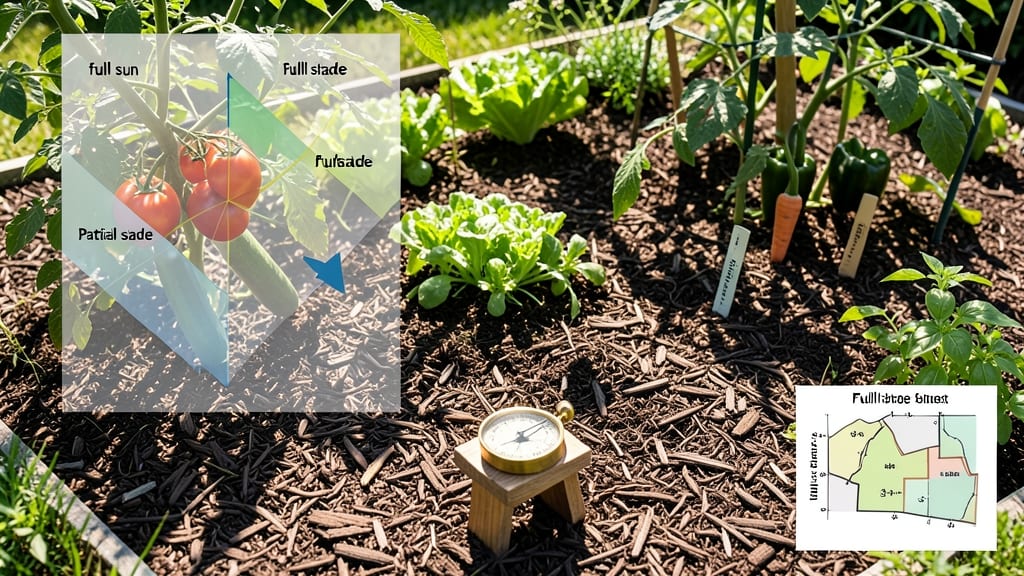
Your vegetable garden’s success starts with how much sun it gets—too little and your tomatoes won’t ripen, too much and your lettuce bolts into bitter stems.
Wondering why your tomato plants are struggling or your lettuce bolts too quickly? Sunlight is the secret ingredient your vegetable garden might be missing—and getting it wrong can mean the difference between a bountiful harvest and wasted effort.
Most vegetables thrive with 6 to 8 hours of direct sunlight daily, but some, like leafy greens, can handle partial shade. The key is matching each plant’s needs to your garden’s light conditions—whether that’s adjusting placement or choosing the right varieties for your space.
In this guide, I’ll break down the sunlight needs by crop type, show you how to assess your garden’s light, and share practical tips to optimize growth for a thriving vegetable garden all season long.

Sunlight requirements for vegetable gardens by crop type
Sunlight is the lifeblood of your vegetable garden, but not every plant thrives under the same conditions. Tomatoes and peppers bask in full sun, while leafy greens like spinach and kale prefer partial shade.
Understanding these needs helps you design a layout that maximizes growth and minimizes wasted space. Let’s break down the sunlight requirements by crop type so you can plan your garden like a pro.
First, assess your garden’s natural light. Most vegetable gardens need at least 6 hours of sunlight daily, but some varieties demand more. Full sun lovers (6-8+ hours) include staples like tomatoes, peppers, and cucumbers, while partial sun plants (3-6 hours) thrive in filtered light or morning sun.
Knowing these categories helps you group plants efficiently and avoid overcrowding or underperformance.
Below is a quick-reference guide to sunlight needs by crop type. Use this summary-table to visualize your garden layout and ensure each plant gets the perfect amount of light for its needs.
Now that you’ve categorized your plants, let’s talk about full sun lovers. Crops like tomatoes and peppers need at least 6 hours of direct sunlight daily to produce fruit. Without enough light, they’ll grow tall and leggy with few tomatoes or peppers.
Place these heat-loving crops in the sunniest spots, like the southern edge of your garden, where they can soak up the most rays.
For partial sun plants, balance is key. Green beans and carrots prefer 3-6 hours of sunlight but can handle afternoon shade, especially in hot climates.
This flexibility makes them great for garden edges or under taller plants like corn. Just avoid deep shade, which can stunt growth and reduce yields.
Don’t overlook shade-tolerant greens like spinach and kale. These hardy plants thrive with just 2-4 hours of sunlight, making them perfect for north-facing beds or areas where taller plants cast shadows. They’re also your best bet for early spring or late fall planting when sunlight is limited.
If your garden has limited sunlight, focus on shade-tolerant varieties and use reflective surfaces like white mulch or mirrors to bounce extra light onto plants. You can also extend the growing season by starting seeds indoors and transplanting them outdoors once they’re established.
Pro tip: Use dwarf varieties of full-sun plants (like bush beans or compact tomatoes) in containers on patios or balconies. This way, you can still grow sun-loving crops even in small spaces with partial light exposure.
Finally, rotate your crops yearly to prevent soil depletion and ensure even sunlight distribution. Heavy feeders like tomatoes and peppers will thrive in their new spots, while greens can take over areas that once had full sun.
With this guide, you’ll transform your garden into a sunlight-optimized powerhouse—no more wasted space or struggling plants! 🌱
How to adjust your garden layout for optimal sunlight
Adjusting your garden layout for sunlight isn't just about placing plants randomly—it's a strategic approach to maximize growth and yield. Start by observing your garden throughout the day, noting which areas receive morning sun, afternoon shade, or full-day sunlight.
This simple step helps you group plants with similar light needs together, creating a thriving ecosystem where every plant thrives. For example, tomatoes and peppers love 6-8 hours of sun, while lettuce and spinach can handle just 3-4 hours.
One of the biggest mistakes gardeners make is ignoring the seasonal sun shifts. In spring and fall, the sun arcs lower in the sky, casting longer shadows. Your full-sun plants might need to be moved closer to the center of the garden during these times.
Conversely, summer’s intense heat can scorch delicate greens, so providing afternoon shade with a cloche or shade cloth can save your harvest. Think of your garden as a dynamic space that evolves with the seasons.
-
1. Map Your Sunlight
Track sun exposure for 6+ hours using a sunlight journal or app. Note full sun, partial shade, and deep shade zones. -
2. Group by Needs
Cluster full-sun plants (tomatoes, peppers) together and shade-tolerant plants (kale, carrots) in cooler spots. -
3. Use Vertical Space
Train vining plants (beans, cucumbers) on trellises to free up ground space for shade-loving crops below. -
4. Rotate Crops Seasonally
Move heat-sensitive plants (lettuce) to shadier spots in summer and sun-lovers (squash) to full sun in spring/fall. -
5. Avoid Common Mistakes
Don’t overcrowd plants—blocked sunlight reduces yields. Don’t plant tall crops (corn) where they’ll shade shorter ones (radishes).
Companion planting is another powerful tool to optimize sunlight. For instance, planting bush beans near corn creates a natural trellis, allowing the corn to climb while the beans fix nitrogen in the soil.
This not only saves space but also ensures both plants get the sunlight they need without competing for it. Similarly, interplanting radishes (fast-growing) with cabbage (slow-growing) ensures your garden stays productive year-round.
If your garden is small or shaded, consider reflective surfaces like white gravel or mirrors to bounce extra light onto plants. Even a simple light-colored mulch can help reflect sunlight upward.
For container gardens, place pots on castor wheels or raised stands to rotate them toward the sun as it moves across the sky. These small tweaks can make a big difference, especially in urban or shaded settings where sunlight is limited.
Finally, don’t forget to prune strategically. Overgrown plants or weeds can block sunlight from reaching your crops. Regularly trim succulent leaves or tall weeds to keep sunlight flowing freely.
And if you notice a plant struggling, it might be time to transplant it to a sunnier spot before it’s too late. A little proactive care goes a long way in ensuring your garden thrives.
With these adjustments, your garden will become a well-balanced haven where every plant gets the perfect amount of sunlight to flourish. Happy gardening! 🌱☀️