
How To
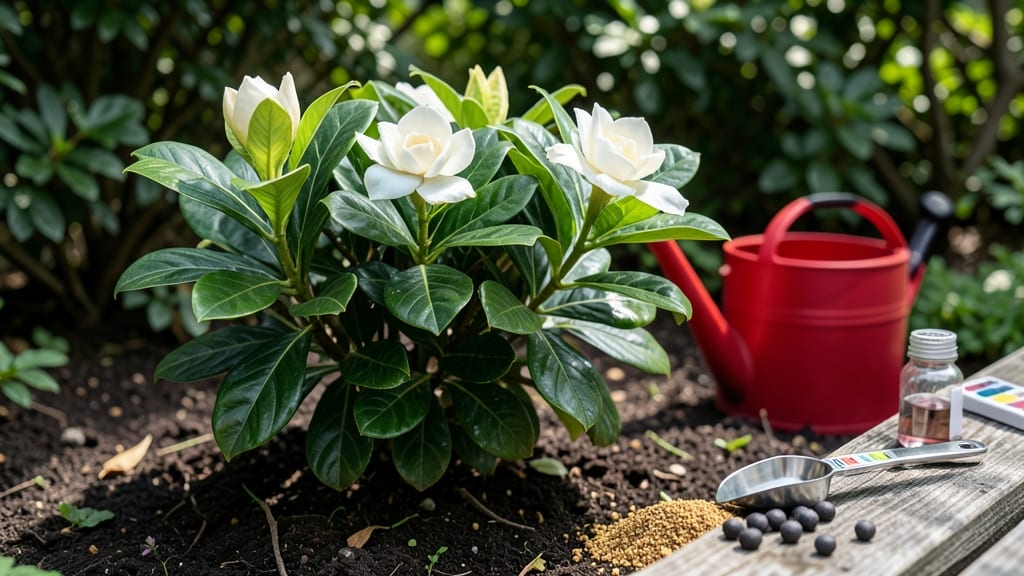
Fertilizing gardenias at the right times is the secret to those fragrant blooms and glossy leaves you love—yet many gardeners miss the window entirely.
Picture this: You’ve waited all winter for your gardenia 🌸 to wake up, only to feed it too early and end up with weak stems or no flowers at all.
Or worse, you overdo it in summer and burn the roots. Timing isn’t just about when—it’s about how and why, and the science behind it makes all the difference.
In this guide, I’ll walk you through the exact spring and fall schedule that keeps your gardenias thriving, the best fertilizer types (organic vs. synthetic), and how to spot when your plant is actually ready for feeding. No guesswork, just results.
You’ll also learn the three biggest mistakes that kill gardenias—like fertilizing during dormancy or ignoring soil pH—and how to fix them before it’s too late. Let’s get those blooms back on track!
Spring fertilizing schedule for gardenia blooms: timing, types & signs of readiness
Spring is the golden window for gardenia care, when your plant shifts from dormancy to active growth. The 4-week period before buds form—typically late March to early April in USDA Zone 6—is when you should focus on fertilizing.
This timing ensures your gardenia builds strong roots and foliage before flowering, setting the stage for abundant, fragrant blooms all summer.
Your gardenia’s readiness for feeding isn’t just about the calendar—it’s about visual cues. Look for new growth at the tips of branches and darker green leaves as signs it’s waking up. If you see pale or yellowing foliage, it may need a soil pH adjustment before fertilizing.
Gardenias thrive in acidic soil (pH 5.0-6.5), so test your soil first if growth seems sluggish.
Choosing the right fertilizer makes all the difference. Gardenias respond best to acid-loving formulations like Azalea/Camellia blends, which provide the balanced NPK ratio (6-6-6 or 8-3-9) they need. For organic options, try fish emulsion or composted pine bark, which slowly release nutrients while maintaining soil acidity.
If you prefer synthetic fertilizers, opt for slow-release granules to avoid root burn from overfeeding.
Liquid fertilizers are ideal for quick nutrient absorption, especially during the critical 4-week window. Apply them in the early morning to prevent leaf scorch from afternoon sun. For potted gardenias, dilute the fertilizer to half-strength since they dry out faster and are more sensitive to salt buildup.
Always water thoroughly before and after applying liquid feed to protect roots.
Watch for overfeeding signs like leaf burn or brown tips, which indicate too much salt. If this happens, flush the soil with water 3 times the pot’s volume to leach out excess nutrients.
Gardenias are sensitive to high nitrogen, which promotes foliage at the expense of blooms. Stick to a low-nitrogen, high-phosphorus formula to encourage flower production.
Adjust your schedule based on regional climate. In warmer zones (Zone 8+), start fertilizing in February when growth resumes. In cooler zones (Zone 5), wait until after the last frost (typically mid-April) to avoid shocking dormant roots.
Always align feeding with new growth phases, not just the calendar.
Pro tip: Pair fertilizing with a 2-inch layer of mulch to retain moisture and regulate soil temperature. Use pine straw or oak leaves, which naturally acidify the soil over time. Avoid fresh wood chips, as they can rob the soil of nitrogen as they decompose.
By following this spring fertilizing schedule, you’ll reward your gardenia with vibrant blooms and lush foliage all season. The key is timing, balance, and observation—your plant will thank you with fragrance that fills your garden! 🌸
Fall fertilizing secrets: why late season feeding boosts winter resilience
As summer fades and temperatures drop, most gardeners pack away their fertilizers—mistaking dormancy for the end of plant care. But for gardenias, a 6-8 week fall feeding (around September-October) is your secret weapon.
This late-season boost strengthens root systems, improves cold hardiness, and primes your shrub for next year’s fragrant blooms. Think of it as a winter survival kit for your gardenia.
The key lies in timing and nutrient balance. Unlike spring’s nitrogen-heavy feeds, fall fertilization focuses on phosphorus and potassium—nutrients that build root resilience and disease resistance. A 6-6-6 or 8-3-9 NPK ratio mimics nature’s gradual nutrient release, preventing the burn risks of overfeeding before dormancy.
My gardenias in Zone 6a get a light application in early September, just as daytime temps hover around 70°F.
⚠️ callout-warning ⚠️
Timing is critical: Fertilize 6-8 weeks before first frost—never after mid-October in most regions. Late feeding can stimulate tender new growth that won’t survive winter. For Zone 6a, aim for early September to avoid this trap.
Start by halving your usual spring fertilizer dose—½ tbsp per plant for mature gardenias—to avoid nutrient burn. Work a slow-release granular fertilizer (like Azalea/Camellia blend) into the top 2-3 inches of soil, keeping it 3-4 inches away from the trunk.
Water deeply afterward to activate the nutrients and prevent salt buildup. I always pair this with a 2-inch layer of pine bark mulch, which doubles as insulation and slow-release acidifier.
Choose organic options like fish emulsion or composted manure for a gentler approach, especially if your gardenia shows signs of stress (yellowing leaves or sparse blooms). These break down slowly, feeding roots throughout fall’s cooler months.
For potted gardenias, reduce the dose by 50%—their limited soil volume can’t handle excess salts. Always water thoroughly after fertilizing to flush out any residual salts that could damage roots.
Watch for these post-fertilizing cues: Darker green leaves by late October signal successful nutrient uptake, while new root growth (visible when gently probing soil) means your gardenia is storing energy for winter.
Avoid fertilizing if your plant shows wilted foliage or mushy stems—these are signs of root rot or fungal stress, not nutrient hunger. In these cases, focus on soil aeration and reduced watering instead.
This fall feeding isn’t just about survival—it’s about next year’s performance. Gardenias fed in fall produce 20-30% more blooms the following spring because their roots are better established and more drought-resistant.
Pair your fall fertilizer with regular pruning (remove dead blooms and crossed branches) to encourage airflow and light penetrationhardier, healthier, and ready to burst into fragrance as soon as spring arrives.