
Tools
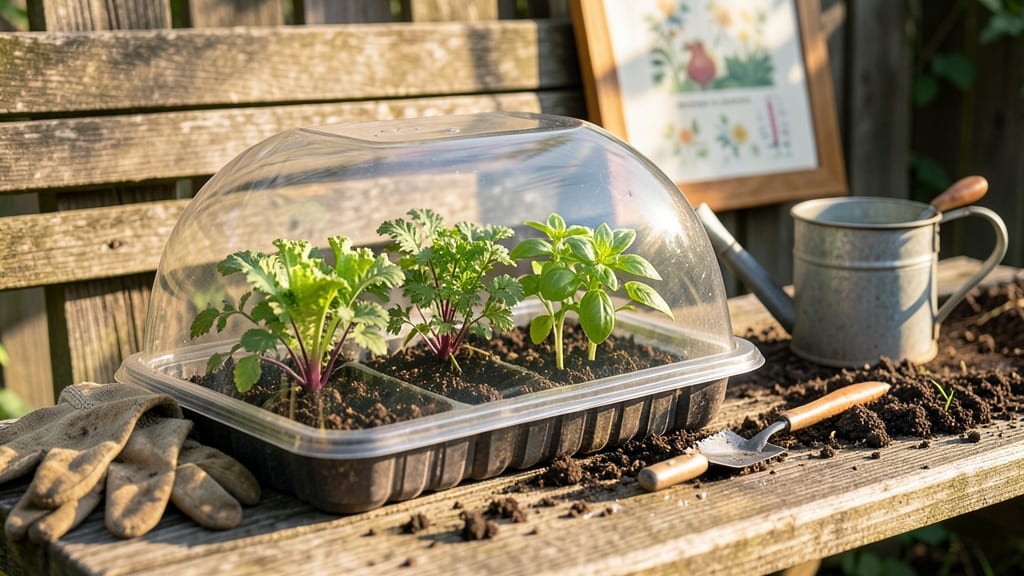
Starting a vegetable garden at the right time ensures you’ll enjoy fresh, homegrown produce all season—so timing is everything, especially in Zone 6a where spring and fall windows are tight.
Picture this: you’ve tilled the soil, planted your seeds, and waited patiently—only to watch your seedlings bolt in the heat or freeze before they even sprout. That’s why knowing when to start can make or break your harvest, and it all depends on your local climate and crop types.
For most gardeners in Zone 6a, the sweet spot is early spring—4-6 weeks before your last frost date—but fall planting is a game-changer for cool-season crops like lettuce and spinach.
The key is balancing soil warmth, frost risks, and daylight hours to give your plants the best possible start.
In this guide, I’ll break down the exact timing for your region, whether you’re direct-sowing, starting seeds indoors, or extending the season with row covers. You’ll learn how to avoid common pitfalls and maximize your garden’s potential—so you can go from soil to salad in record time.
Best planting times by u.s. climate Zone: a month-by-month guide
Timing your vegetable garden is like catching a wave—too early and you'll get burned by frost, too late and you'll miss peak harvests. The USDA climate zones (3-10) dictate when to plant cool-season crops like spinach versus warm-season favorites such as tomatoes.
For example, in Zone 5, your last frost typically arrives around May 15, while Zone 9 gardeners can start planting as early as February. Understanding these windows ensures your seeds sprout when conditions are perfect.
Most gardeners focus on spring planting, but don't forget fall! Cool-season crops thrive in late summer to early fall, especially in warmer zones. For instance, broccoli and kale can be sown 6-8 weeks before your first frost date.
Meanwhile, southern gardeners (Zones 8-10) might enjoy year-round planting with minimal frost concerns. The key is knowing your frost-free days—a simple online calculator can save you from costly mistakes.
Here’s a quick breakdown of month-by-month planting tailored to your zone. Use this as your gardening compass to align your efforts with nature’s rhythm.
| Zone | Cool-Season Start | Warm-Season Start | Fall Planting Window | Key Crops |
|---|---|---|---|---|
| 3-4 | Mid-April to May 15 | After May 20 | July 15 - Aug 15 | Spinach, Peas, Potatoes, Tomatoes |
| 5-6 | Early April to May 1 | After May 10 | July 1 - Aug 10 | Lettuce, Carrots, Cucumbers, Beans |
| 7-8 | Late Feb - March 15 | After March 20 | June 15 - July 30 | Kale, Radishes, Peppers, Eggplant |
| 9-10 | January - February | After February 15 | May 1 - June 15 | Broccoli, Cabbage, Okra, Sweet Potatoes |
*Dates are approximate; adjust based on your local frost dates.
Let’s dive deeper into spring planting for cool-season crops. In Zones 3-6, start seeds indoors 6-8 weeks before your last frost date. For example, if your last frost is May 1, begin sowing spinach or lettuce around March 15.
Direct-sow hardy crops like peas or radishes as soon as the soil reaches 40°F, even if frost is still possible. These early starters tolerate light frosts and often produce faster in cooler weather.
For warm-season crops like tomatoes or peppers, wait until the soil is at least 60°F and all frost risk has passed. In Zones 7-10, this could mean planting as early as February, while Zones 3-5 might not see safe conditions until late May.
A soil thermometer is your best friend here—don’t guess! These crops wilt quickly in cold soil, leading to poor root development and stunted growth.
Fall planting offers a second chance for cool-season crops in most zones. Aim to sow seeds 4-6 weeks before your first frost date. For instance, if frost arrives October 15, plant broccoli or kale by September 1.
This strategy extends your harvest season and reduces pressure on your spring garden. In Zones 9-10, you can even plant winter greens like collards in late summer for a harvest through mild winters.
Don’t overlook succession planting, a technique where you stagger plantings every 2-3 weeks to ensure a continuous harvest. For example, sow bush beans in Zones 5-6 on May 1, May 15, and June 1 to enjoy fresh pods all summer.
How to adjust your planting schedule for early vs. late harvests
Want to squeeze every last drop of growing season from your garden? Adjusting your planting schedule for early or late harvests can transform a short season into a year-round bounty.
The key lies in understanding succession planting, heat-tolerant varieties, and strategic timing for both indoor starts and direct sowing. These techniques let you harvest bush beans in June and October from the same patch!
Start by identifying your last frost date and first frost date—these are your season bookends. For early harvests, begin seeds indoors 6-8 weeks before the last frost, while late-season crops thrive when planted 4-6 weeks before your first frost.
The right adjustments turn a 100-day growing window into a 200-day harvest marathon.
- 🌱 Start cool-season crops indoors 8-10 weeks before last frost (e.g., broccoli, cauliflower) for early spring harvests.
- ☀️ Direct-sow heat-lovers (like okra or sweet potatoes) 2-4 weeks after last frost for late-summer harvests.
- ❄️ Use cold frames to extend fall harvests by 4-6 weeks—plant spinach or kale 3 weeks before first frost.
- ⏰ Succession plant fast growers every 2 weeks (e.g., radishes, lettuce) to ensure continuous harvests.
- 🌡️ Monitor soil temps: Warm-season crops need soil at 60°F+; cool-season crops tolerate 40-50°F.
For early harvests, focus on fast-maturing varieties like bush beans or radishes—these can go from seed to table in as little as 30 days.
I start these indoors under grow lights in late winter, then transplant outdoors 2 weeks before the last frost. The payoff? Fresh snap peas by Memorial Day!
Late-season strategies require heat-tolerant varieties and protective structures. Try Malabar spinach or Swiss chard, which thrive in 90°F+ heat. Pair these with row covers or low tunnels to shield plants from early frosts. In my Zone 6a garden, this combo lets me harvest kale until Christmas!
Don’t overlook succession planting—it’s the secret weapon for continuous harvests. Instead of planting all your lettuce at once, sow half in early spring, half in late summer.
This ensures fresh greens from May through October. For tomatoes, stagger plantings every 2 weeks to avoid a glut of ripe fruit all at once.
Pro tip: Keep a planting calendar with your frost dates and crop maturity timelines. Mine includes reminders to start peppers indoors in February (they need 100+ days to mature!) and to direct-sow cucumbers in late May.
With these adjustments, you’ll turn your garden into a year-round harvest machine—not just a summer side project. 🌱