
Tools
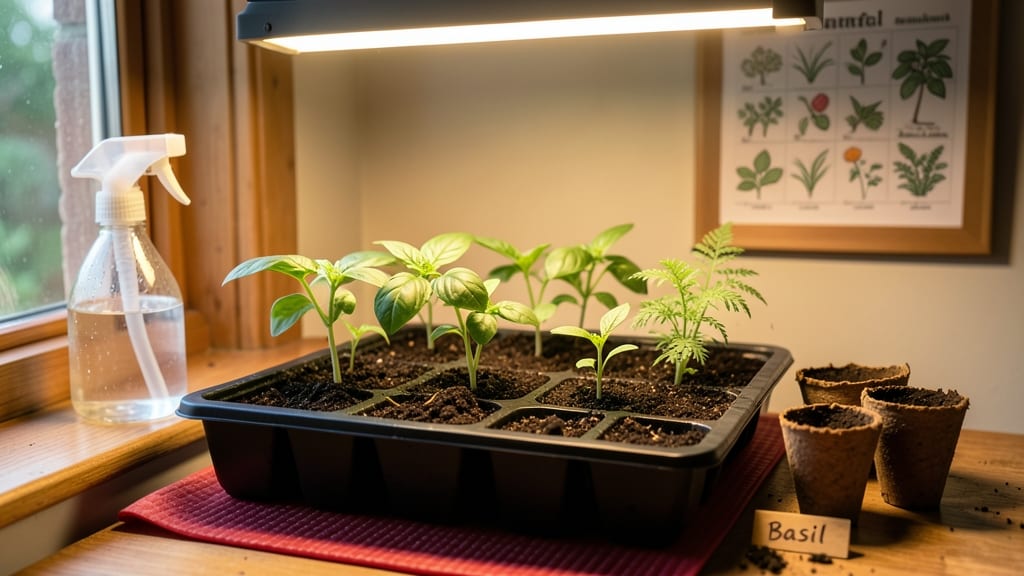
Starting garden seeds indoors requires knowing the right timing — too early and they’ll stretch weak, too late and you’ll miss the growing season entirely.
Picture this: you’ve got your seed trays ready, the soil is perfect, and you’re eager to see those first sprouts. But without the right schedule, you could end up with leggy seedlings or—worse—plants that bolt before they even reach maturity.
The key is matching your seeds to your last frost date, adjusting for plant-specific growth rates, and even accounting for quirks like early springs or late frosts.
In this guide, I’ll walk you through how to calculate your ideal indoor seed-starting window using USDA frost zones, seed packet recommendations, and real-world adjustments. Whether you’re growing cool-season greens or warm-weather tomatoes, you’ll learn exactly when to plant for healthy, thriving transplants ready to hit the garden.
We’ll also cover how to troubleshoot delays, use grow lights or heat mats, and fine-tune your schedule for microclimates—so you can avoid common mistakes and set your garden up for success from day one.
How to calculate indoor seed starting dates by frost dates and plant growth stages
Timing your indoor seed starting is like planning a garden marathon—get the pace wrong, and you’ll either burn out or never finish the race. The key lies in understanding your last frost date, your plant’s maturity timeline, and how many weeks it needs to grow strong seedlings.
Most seed packets include a "start indoors" recommendation, but those are based on average frost dates. Your local climate might need adjustments of 2-4 weeks earlier or later.
First, find your USDA Plant Hardiness Zone and average last frost date (I use the National Oceanic and Atmospheric Administration (NOAA) frost calculator for precise data).
For example, in Zone 6, the last frost typically falls around April 15, but urban areas or high elevations might shift this by 1-2 weeks. Write this date down—it’s your transplant deadline.
Next, check the days to maturity on your seed packet. This tells you how long the plant needs from seed to harvest. Subtract the number of weeks it takes to grow a healthy seedling (usually 4-8 weeks for most vegetables).
For instance, if your tomatoes need 75 days to mature and you want to transplant them 4 weeks before the last frost, start seeds 8 weeks before your target date.
Here’s the math broken down: Maturity Days - Seedling Weeks = Start Date. For basil (60 days to harvest) in Zone 6, subtract 6 weeks of seedling time: 60 - 6 = 54 days, or about March 1 for a April 15 transplant.
Use this formula for every plant to avoid the leggy seedling trap or missed harvests.
| Plant Type | USDA Zone 6 Last Frost | Weeks Before Frost to Start | Seedling Growth Time | Example Start Date |
|---|---|---|---|---|
| Cool-Season Veggies (Broccoli, Lettuce, Spinach) | April 15 | 6-8 weeks | 4-6 weeks | February 15 - March 1 |
| Warm-Season Veggies (Tomatoes, Peppers, Eggplant) | April 15 | 8-10 weeks | 6-8 weeks | January 30 - February 15 |
| Herbs (Basil, Cilantro, Parsley) | April 15 | 4-6 weeks | 3-4 weeks | March 1 - March 15 |
| Flowers (Marigolds, Petunias, Snapdragons) | April 15 | 8-12 weeks | 6-8 weeks | January 20 - February 10 |
| Slow Starters (Onions, Leeks, Asparagus) | April 15 | 10-12 weeks | 8-10 weeks | January 10 - January 25 |
Note: Adjust dates 1-2 weeks earlier for cooler zones (e.g., Zone 4) or 1-2 weeks later for warmer zones (e.g., Zone 8).
Don’t forget to account for seedling growth rates, which can vary based on light conditions and temperature. Seedlings under grow lights or on a heat mat (70-75°F) grow faster than those on a windowsill.
If your seedlings are stretching toward the light, they’re ready for transplanting sooner than the average timeline suggests. I once had pepper seedlings ready in 5 weeks because of a heat mat—way ahead of schedule!
For cool-season crops like kale or carrots, you can start seeds indoors 2-3 weeks before the recommended date if you’re using a cool greenhouse or un
Best plants to start indoors early vs. late: a growth timeline guide
Not all plants follow the same indoor starting schedule. Cool-season crops like broccoli and spinach thrive when started early, while warm-season plants like tomatoes and peppers need a later start. Understanding these differences prevents leggy seedlings or missed harvest windows. Let’s break down the ideal timing for each category.
For early starters, begin seeds indoors 8–12 weeks before your last frost date. These include cool-season vegetables like kale, lettuce, and peas, which tolerate cooler temperatures. Starting them too late means they’ll bolt or struggle in summer heat.
Conversely, warm-season plants like peppers and eggplants need 6–8 weeks indoors, starting after the frost risk has passed.
- 🌱 Cool-Season Plants (Start Early)
Broccoli, Spinach, Kale, Lettuce, Peas
8–12 weeks before last frost - 🌿 Warm-Season Plants (Start Late)
Tomatoes, Peppers, Eggplants, Basil
6–8 weeks before last frost - 🌻 Herbs (Moderate Timing)
Basil, Parsley, Cilantro, Dill
4–6 weeks before last frost - ❄️ Mistake to Avoid
Starting warm-season plants too early—seedlings will get leggy and weak. - ☀️ Pro Tip
Use a grow light for early starts to prevent stretching.
One common mistake is ignoring seed packet instructions. Many packets list a recommended starting window, but adjust this based on your local frost dates. For example, if your last frost is April 15, start broccoli in early February, but wait until late February for tomatoes.
This balance ensures seedlings are ready for transplant when outdoor conditions are ideal.
Herbs like basil and cilantro fall in the middle—start them 4–6 weeks before your last frost. Basil, in particular, hates cold soil, so avoid early starts. Conversely, hardy herbs like parsley can handle cooler temps and can start alongside cool-season crops.
Always check your herb’s specific needs to avoid overcrowding or poor growth.
Avoid the trap of overcrowding trays when starting early. Seedlings need space to grow, and packed trays lead to weak, stunted plants. Thin seedlings early and provide 12+ hours of light daily (natural or artificial) to prevent legginess.
For warm-season plants, delay starting until after the frost date to give them time to mature before summer heat sets in.
Use this timeline as a starting point, but adjust for your microclimate. Urban gardens in containers may need earlier starts due to faster warming, while rural areas might extend the window. Keep a seed-starting journal to track what works best in your space each year.