
Planting
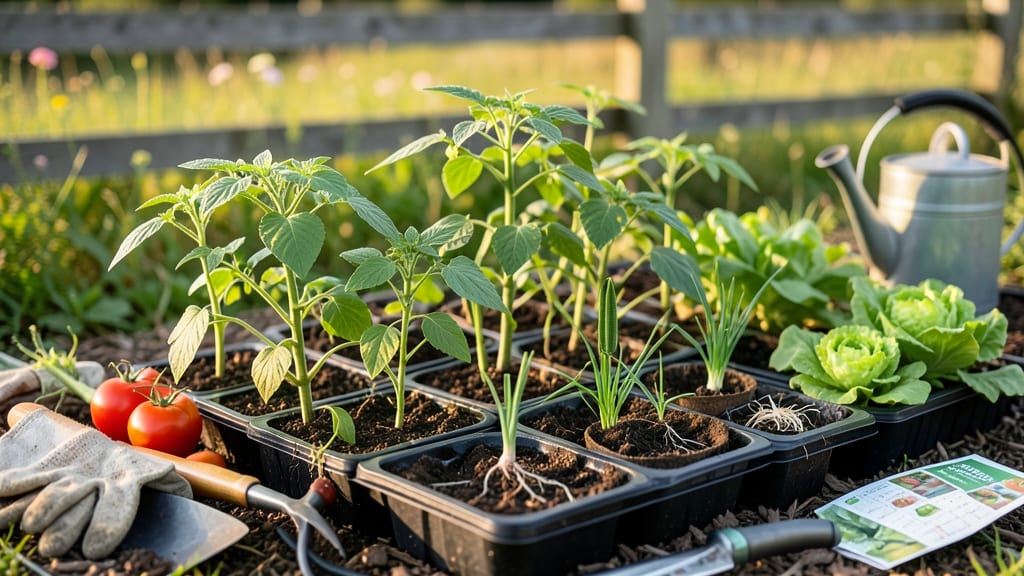
Planting your spring garden in Texas at the right time means the difference between a bumper crop and a sad, wilted mess.
Texas gardeners know timing is everything—plant too early and risk frost, too late and miss the growing season. Mastering the perfect planting schedule can mean the difference between a thriving 🌱 spring garden and wasted effort.
North Texas gardeners should start as early as February, while Central and South Texas can begin in January, but the key is waiting for soil temperatures to hit 60°F—that’s when roots wake up and grow.
Below, I’ll break down the best months for cool-season crops like lettuce and warm-season stars like tomatoes, plus how to adjust for your exact zone in 8a-10b.
Texas spring planting calendar by month: what to plant when
Texas spring gardening thrives on precise timing—cool-season crops need early starts, while warm-season plants wait for heat. The state's three distinct regions (North, Central, South) each have unique frost dates and temperature thresholds.
In North Texas (Zones 8a-8b), last frosts typically hit February 15, while South Texas (Zones 9a-10b) often sees frost-free winters. Understanding these windows ensures your garden avoids frost damage or bolting vegetables.
For cool-season crops like lettuce and peas, start seeds indoors 6-8 weeks before your region's last frost date. In North Texas, this means January sowing for early March harvests.
Meanwhile, warm-season plants like tomatoes and peppers should only go outdoors after soil warms to 60°F+, usually March-April in most areas. Use a soil thermometer to verify—cool soil stunts root growth.
🌱
| Month | North Texas (Zones 8a-8b) | Central Texas (Zones 8b-9a) | South Texas (Zones 9a-10b) |
|---|---|---|---|
| January | Cool-season veggies (spinach, kale), onions, garlic | Cool-season veggies, peas, carrots | Cool-season veggies, broccoli, cabbage |
| February | Lettuce, radishes, potatoes; start tomatoes indoors | Lettuce, radishes, beans; transplant onions | Lettuce, radishes, green onions; direct sow peas |
| March | Transplant tomatoes, peppers, eggplant; sow cucumbers | Transplant tomatoes, peppers, basil; direct sow beans | Direct sow okra, sweet potatoes; transplant tomatoes |
| April | Sow squash, corn, melons; transplant warm-season herbs | Sow corn, squash, pumpkins; transplant peppers | Sow watermelon, cantaloupe; transplant eggplant |
| Soil Temp Threshold | 60°F+ for warm-season plants | 55°F+ for cool-season; 65°F+ for warm-season | 65°F+ for warm-season; 50°F+ for cool-season |
| Key Tip | Use frost cloth for late cool-season crops | Mulch to retain soil moisture during heat spikes | Plant heat-tolerant varieties (e.g., 'Heatmaster' tomatoes) |
In North Texas, February is prime for cool-season vegetables like lettuce and radishes, but also the time to start tomato and pepper seeds indoors.
By March 15, most areas can safely transplant these warm-season crops outdoors, provided nighttime temps stay above 50°F. Central Texas enjoys a 2-week earlier start—sow peas and carrots in January and transition to tomatoes by February.
South Texas gardeners have the advantage of year-round growing potential, but even here, January-February is ideal for cool-season crops like broccoli and cabbage. Shift to warm-season plants by March, focusing on heat-tolerant varieties such as 'Heatmaster' tomatoes or 'Jalapeño M' peppers.
Always check microclimates—shady spots may need 2-3 weeks later planting.
🌿
For herbs and flowers, timing matters too. Basil and cilantro thrive in warm soil—plant after April 15 in North Texas. Marigolds and zinnias, however, handle cooler temps and can go in as early as February. Perennials like rosemary should be planted in early spring (February-March) to establish roots before summer heat.
Always amend soil with compost before planting—Texas clay benefits from organic matter to improve drainage.
💧
Pro tip: Use row covers to extend cool-season
Best spring vegetables and flowers for Texas gardens (with planting tips)
Spring in Texas is all about balancing cool-season crops that love mild weather with warm-season stars like tomatoes and peppers. The key? Planting at the right time to avoid late frost in North Texas or heat stress in South Texas.
Whether you're growing leafy greens for early harvests or colorful flowers to attract pollinators, these top picks thrive in Texas's unique climate when given the right care.
For North Texas (Zones 8a-8b), wait until after the average last frost date (mid-February) to plant heat-loving veggies.
In Central and South Texas (Zones 9a-10b), you can start as early as January for cool crops, but warm-season plants like okra and sweet potatoes wait until March or April when soil warms. Let’s dive into the best performers and how to set them up for success.
- 1 Cool-Season Vegetables: Plant lettuce, spinach, and peas in January-February (North Texas) or December-January (South Texas). Use row covers for extra frost protection in cooler zones. Harvest leafy greens in 30-45 days before summer heat sets in.
- 2 Warm-Season Stars: Start tomatoes, peppers, and okra indoors in February-March (North Texas) or direct-sow in March-April (South Texas). Transplant after soil reaches 60°F+. Space tomatoes 18-24 inches apart and peppers 12-18 inches apart for airflow.
- 3 Flower Power: Add marigolds and pansies to deter pests and brighten beds. Plant marigolds in February-March (all zones) for continuous blooms. Pansies thrive in cool weather and can be sown in fall or early spring. Space marigolds 12 inches apart and pansies 6-9 inches apart.
- 4 Soil Prep: Test soil pH (6.0-7.0 ideal) and amend with compost or aged manure. For heavy clay soil (common in East Texas), mix in sand or peat moss to improve drainage. Mulch with straw or wood chips to retain moisture and suppress weeds.
- 5 Watering Wisdom: Water deeply 1-2 times per week (morning is best) to encourage deep root growth. Avoid overhead watering to prevent disease like powdery mildew. Use drip irrigation for efficiency, especially during Texas’s dry springs.
Don’t overlook herbs like basil and cilantro, which add flavor and fragrance to your garden. Basil loves full sun and warm soil, so wait until April to plant in North Texas. Cilantro, however, bolts in heat—sow it in fall or early spring for the best results.
For container gardening, choose compact varieties like bush beans or cherry tomatoes to maximize space on patios or balconies.
Pro tip: Rotate crops yearly to prevent soil-borne diseases and depletion of nutrients. For example, plant tomatoes where beans grew last year—beans fix nitrogen in the soil, giving tomatoes a nutrient boost. Pair flowers with veggies (like marigolds with tomatoes) to attract beneficial insects and repel pests naturally.
With these Texas-approved plants and timing tips, your spring garden will be lush, productive, and ready for summer’s heat!
🌱