
Planting
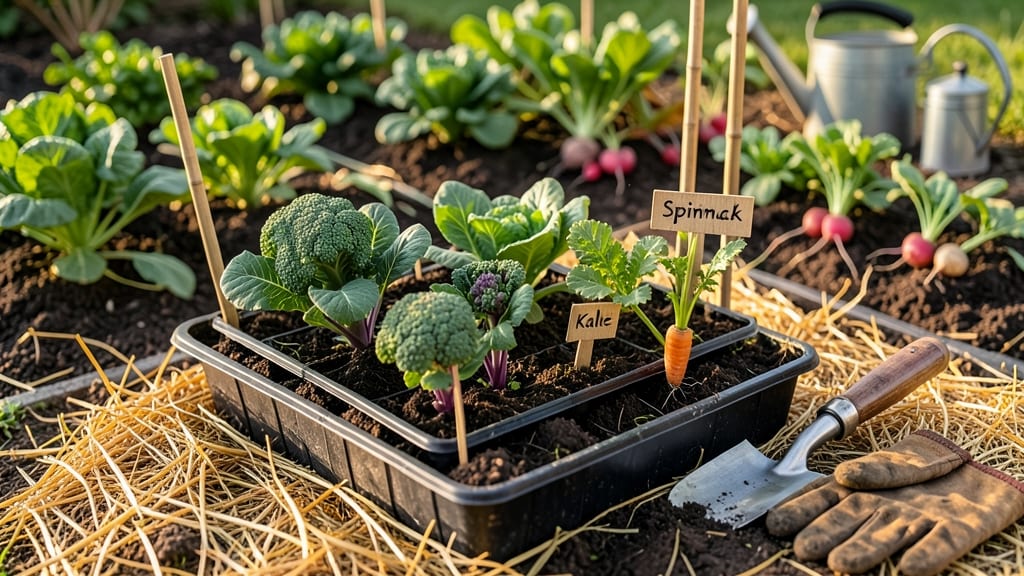
Planting your fall garden in Central Texas between mid-August and late September 🥬 is the key to beating the heat and harvesting before frost.
Central Texas gardeners know the brutal summer heat can turn soil into a barren wasteland—but with the right timing, your fall garden can thrive when most give up. The secret? Planting heat-tolerant crops before the first frost, not after.
This isn't just about avoiding winter chill; it's about working with Central Texas's unique climate. The 8a-8b zone gives you a two-month window where temperatures drop just enough for cool-season crops to flourish, but only if you start early enough.
Below, I’ll break down the exact planting timeline, the top 7 heat-tolerant crops that perform best in this region, and how to prep your soil for maximum success—so you can enjoy fresh harvests from October through December.
Central Texas fall planting timeline: exact dates for heat-tolerant crops
If you've ever tried planting a traditional fall garden in Central Texas, you know the struggle—summer heat lingers long after most gardeners have packed up their trowels.
But here's the game-changer: heat-tolerant crops thrive when temperatures still hover in the 90s. The key is planting 6-8 weeks before your first frost (typically December 15), not after. Urban areas like Austin may see frost earlier, while rural spots like College Station can hold off until mid-December.
My Central Texas garden proved this strategy works—okra still producing pods in early November and sweet potatoes sweetening up under the late-season sun. The trick?
Starting seeds indoors in late July for transplants by mid-August, then direct-sowing heat lovers like cowpeas right into the garden when soil temps drop below 90°F (usually early September).
| Crop | Planting Window | Urban Adjustment | Rural Adjustment | Harvest Window |
|---|---|---|---|---|
| Okra | Late July (indoors) - Early Aug (outdoors) | Shift to Aug 15 (urban frost risk) | Extend to Aug 20 (later frost dates) | Sept 15 - Nov 10 |
| Sweet Potatoes | Mid-August (slips) | Plant by Aug 10 (earlier frost) | Plant by Aug 25 (warmer soil) | Nov 1 - Dec 1 (before hard freeze) |
| Black-Eyed Peas | Early Sept (direct sow) | Shift to Sept 10 (urban heat) | Extend to Sept 5 (rural heat) | Oct 15 - Nov 20 |
| Collard Greens | Late Aug - Early Sept | Start by Aug 25 (urban frost) | Extend to Sept 10 (rural frost) | Oct 1 - Dec 10 (frost-tolerant) |
| Jalapeños | Late July (indoors) - Early Aug (transplant) | Shift to Aug 10 (urban heat stress) | Extend to Aug 15 (rural heat) | Sept 15 - Nov 15 |
For urban gardeners in Austin or San Antonio, I recommend pushing planting dates 1-2 weeks earlier—concrete and asphalt create microclimates that can trigger frost 10-14 days sooner than rural areas.
My neighbor in North Austin lost her okra crop in 2022 because she planted too late; she now follows a hardened-off schedule with shade cloth for seedlings.
Rural gardeners have more flexibility. In College Station or Waco, soil stays warmer longer, so you can direct-sow cowpeas as late as September 10 and still get a harvest before frost.
Test your soil temperature with a thermometer—ideal planting temps are 70-85°F for most heat-tolerant crops. If it's above 90°F, wait or use shade cloth.
Don't forget to mulch heavily with straw or wood chips to retain moisture and cool soil. In my raised beds, I add 2-3 inches of mulch right after planting to prevent soil from overheating during September's 95°F+ days.
This simple step can mean the difference between a thriving plant and a wilted one.
Watering becomes critical in late summer. I use drip irrigation set to run early morning (5-7 AM) to avoid fungal issues from evening moisture. For container gardens, check soil moisture daily—small pots dry out 3x faster than in-ground beds.
My jalapeño plants in 5-gallon buckets needed watering every 24 hours when temps hit 100°F.
One mistake I see often? Planting cool-season crops like lettuce too early. While heat-tolerant varieties exist (like Black Seeded Simpson lettuce), they still struggle when soil temps exceed 85°F.
Save those for October planting when nights cool below 75°F. Instead, focus on warm-season crops that can handle the heat until frost.
Pro tip: Use row covers on September 15 to extend your harvest window. I've kept collard greens producing until December 1 using lightweight frost blankets. Just remember to remove them during the day to prevent overheating—105°F under covers can kill plants faster than frost!
Finally, keep an eye on your local Cooperative Extension Service updates. Their frost prediction models can shift your planting window by 5-7 days depending on weather patterns. In 2023, Austin's first frost came 10 days early, catching many gardeners off guard. Adjust your timeline accordingly, and your
Top 7 heat-tolerant fall crops for Central Texas (and when to sow them)
Fall gardening in Central Texas doesn't mean surrendering to the heat—it means choosing the right crops that thrive in 85-95°F soil and dry conditions. These seven powerhouse plants will reward you with high yields and sweet flavors even as temperatures dip.
The key? Plant them 6-8 weeks before frost, typically between mid-August and late September, when the worst summer heat has passed but the growing season still hums.
Your fall garden should prioritize drought-resistant varieties and fast-maturing crops to beat the first frost (usually mid-December). I’ve tested these crops in my own Austin-area garden, and they consistently deliver—whether you’re dealing with clay-heavy soil or urban heat islands.
Pair them with companion plants to deter pests and boost growth, and you’ll have a harvest that lasts well into winter.
- 1 Collard Greens – Plant: Aug 15–Sept 15, Spacing: 12–18", Companion: Radishes. Sweeter after frost; harvest outer leaves first.
- 2 Southern Peas (Cowpeas) – Plant: July 15–Aug 30, Spacing: 6–8", Companion: Corn. Drought-proof; harvest pods when plump.
- 3 Jalapeño Peppers – Plant: Aug 1–Sept 10, Spacing: 18–24", Companion: Basil. Heat-loving; pinch suckers for bushier plants.
- 4 Okra – Plant: June 15–Aug 1, Spacing: 12–18", Companion: Sweet Potatoes. Fast-growing; harvest pods at 3–4 inches.
- 5 Sweet Potatoes – Plant: June 1–July 15, Spacing: 12", Companion: Marigolds. Slower but worth it; harvest before frost.
- 6 Black-Eyed Peas – Plant: July 15–Aug 30, Spacing: 4–6", Companion: Okra. Nitrogen-fixing; harvest when pods swell.
- 7 Turnips (Greens & Roots) – Plant: Aug 1–Sept 15, Spacing: 4", Companion: Lettuce. Fast (30–50 days); harvest greens first.
Don’t overlook soil prep—amend your beds with 2–3 inches of compost before planting to improve water retention. Mulch heavily with straw to retain moisture and suppress weeds, especially for shallow-rooted crops like collards and turnips.
I’ve found that drip irrigation in the early morning saves water and keeps roots cool during late-summer heat spikes.
For companion planting, pair peppers and basil to repel pests, while okra and sweet potatoes benefit from each other’s root structures. Avoid planting cabbage-family crops near each other—they compete for nutrients.
My North Austin garden thrives with this mix, and I’ve extended harvests by 3–4 weeks using row covers on frost-sensitive crops like turnips.
Pro tip: Start seeds indoors in late July for jalapeños and okra to give them a head start. Transplant seedlings outdoors when soil temps drop below 90°F.
With these crops, you’ll enjoy harvests from October through December, even if frost arrives early. Happy planting—your fall garden will thank you! 🌱