
Planting
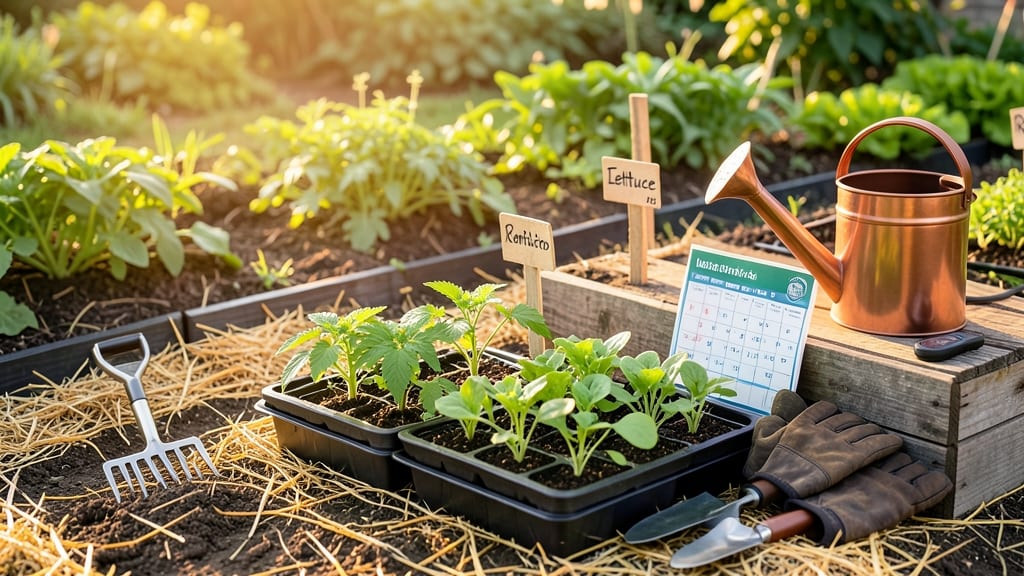
To plant a vegetable garden in Pennsylvania at the right time means timing your cool-season crops for early spring and your warm-season varieties for late spring or early summer 🥬 — and getting it wrong can mean frost-nipped seedlings or bolting greens.
Pennsylvania’s diverse climate—from the hot summers of Philadelphia to the cooler mountain regions of the Poconos—means your vegetable garden’s success hinges on planting at the perfect time.
Get the timing wrong, and you’ll either face frost damage or stunted growth. But follow this zone-specific guide, and you’ll enjoy a bountiful harvest all season long.
Most gardeners in USDA Zones 5b-7a can start cool-season crops like lettuce and peas as early as March 15, while warm-season favorites like tomatoes and peppers wait until after the last frost—typically mid-May in southern PA and early June in the north.
The key is knowing your local frost dates and adjusting for microclimates.
In this guide, you’ll discover the exact planting windows for your region, how to prep your soil for maximum yield, and which hardy varieties thrive in PA’s unpredictable weather. Ready to grow? Let’s get started.
Pennsylvania planting zones: key dates for cool-season vs. warm-season vegetables
Pennsylvania spans USDA Hardiness Zones 5b through 7a, creating unique planting windows across the state. Whether you're in Philadelphia's Zone 7a or the Poconos' Zone 5b, timing is everything.
Cool-season crops like lettuce and peas thrive in early spring, while tomatoes and peppers need warm soil to germinate. Let's break down the exact dates for each zone and crop type.
Most of Pennsylvania experiences its last spring frost between April 15 and May 1, with southern regions like Philadelphia and Lancaster warming up earlier. Northern areas like Erie and Scranton typically see frost until May 15 or later.
First fall frosts arrive between October 1 and October 15, with mountainous regions freezing sooner. These dates determine when to plant heat-loving vegetables like peppers and when to sow cool-hardy greens.
Here's a zone-by-zone breakdown of when to start seeds indoors, transplant seedlings, and direct sow for your vegetable garden. Use these dates as your planting calendar to maximize yields and avoid frost damage.
| Zone | Last Frost | Cool-Season Crops (Direct Sow) | Warm-Season Crops (Start Indoors) | Warm-Season Crops (Transplant) |
|---|---|---|---|---|
| 5b (Poconos, NE PA) | May 15 | April 1 - April 15 | March 1 - March 15 | May 20 - June 1 |
| 6a (State College, Harrisburg) | April 30 | March 20 - April 1 | February 28 - March 15 | May 1 - May 15 |
| 6b (Lancaster, Reading) | April 20 | March 15 - March 30 | February 15 - March 1 | April 25 - May 10 |
| 7a (Philadelphia, Pittsburgh) | April 10 | March 1 - March 15 | February 1 - February 15 | April 15 - April 30 |
Notes: Adjust dates 1-2 weeks earlier for urban areas (heat islands) or later for high elevations.
For cool-season vegetables like lettuce, spinach, and peas, aim to direct sow them 4-6 weeks before your last frost date. In Zone 5b, this means starting in early April, while Zone 7a gardeners can begin as early as March.
These crops tolerate light frosts, so don't wait until the soil is warm—cool soil is ideal for their growth. Use row covers if nights dip below 20°F to protect tender seedlings.
Warm-season crops like tomatoes, peppers, and cucumbers need soil temperatures above 60°F to germinate. That's why we start these indoors 6-8 weeks before transplanting.
In Zone 5b, begin seeds indoors by March 1 and transplant after May 20, while Zone 7a gardeners can start seeds by February 1 and transplant by April 15. Use a soil thermometer to confirm warmth before planting outdoors.
In Philadelphia's Zone 7a, you can squeeze in a second planting of warm-season crops in late July for a fall harvest. Choose fast-maturing varieties like 'Early Girl' tomatoes (55 days) or 'Sweet Banana' peppers (60 days) to beat the first frost.
For cool-season crops, a late summer planting of spinach or kale can produce harvests until December. Just be ready to extend the season with row covers if frost threatens early.
One common mistake is planting warm-season crops too early because the soil feels warm. But if nighttime temperatures dip below 50°F, seedlings will stunt or rot. Always check a 10-day forecast before transplanting.
For cool-season crops, the opposite is true—planting too late can lead to bolting lettuce or bitter radishes. Follow the 4-6 week rule before your last frost for best results.
Microclimates play a huge role in Pennsylvania. A south-facing slope in the Poconos may warm up 2 weeks earlier than a north-facing valley. Urban areas like Pittsburgh and Philadelphia experience heat islands, where sidewalks and buildings retain heat, allowing earlier planting.
Pay attention to your specific microclimate and adjust dates accordingly. If you're unsure, consult your local Penn State Extension office for hyper-local advice.
Remember, these dates are guidelines, not rules. Weather patterns shift yearly, so always monitor soil temperatures and frost forecasts. With practice, you'll develop an intuition for when your garden is truly ready.
How to adjust your planting schedule for Pennsylvania’s microclimates and soil conditions
Pennsylvania’s varied landscapes create unique challenges for gardeners. Urban areas like Philadelphia experience heat islands that delay frost, while rural mountain regions face earlier freezes. Even within cities, microclimates can shift planting windows by weeks.
Understanding these differences lets you extend your growing season and choose the right crops for your specific conditions.
Rocky soil and compacted urban dirt also demand adjustments. Many PA gardeners struggle with poor drainage or nutrient-poor soil, forcing them to amend beds or select fast-maturing varieties. For example, bush beans thrive in rocky soil if planted early, while tomatoes need raised beds in heavy clay areas.
Local weather patterns—like Poconos' unpredictable spring rains—can also dictate whether to use row covers or cold frames.
- 📅 Use local frost dates: Check Penn State Extension for your area—Philadelphia averages April 15, while Erie may wait until May 10.
- 🪴 Extend seasons with row covers: Use floating row covers for cool-season crops like spinach or cold frames for warm-season starts (e.g., peppers in Pittsburgh's Zone 6b).
- 🪨 Amend rocky/urban soil: Mix in compost and sand for drainage. For clay-heavy areas, add gypsum to break up compacted layers before planting.
- ⏳ Choose fast-maturing varieties: Opt for early bush beans (50 days) or cherry tomatoes (55 days) in shorter seasons. Avoid heirloom tomatoes (80+ days) in northern PA.
- 🌡️ Monitor soil temperature: Use a soil thermometer—warm-season crops need 60°F+ soil. In cool mountain areas, wait until May 20 for tomatoes.
Urban gardeners often face limited space and heat-reflecting surfaces like pavement, which can dry out soil faster. I’ve found that container gardening with self-watering pots works wonders for balconies in Philadelphia.
For rural areas, embrace succession planting: Sow lettuce every 2 weeks from April to August to avoid bolting during heatwaves.
Local weather patterns are your best friend. For example, Poconos gardeners should plant cold-hardy kale by March 15 to harvest before October’s early frost. Meanwhile, southern PA can push fall planting until August 20 for spinach or radishes.
Always check 7-day forecasts before transplanting seedlings—a cold snap can set back tomato growth by weeks.
Don’t overlook wind exposure, especially in open fields. Use windbreaks like corn stalks or bamboo fencing to protect delicate greens or young seedlings. In windy mountain regions, I’ve seen pepper plants nearly uprooted—stake them early to prevent damage.
For urban gardens, tall buildings can create wind tunnels, so place sensitive crops near walls.
Finally, test your soil every 2–3 years. PA’s acidic forests and limestone-rich areas create wildly different pH levels. Amend acidic soil with lime for tomatoes, but leave blueberries alone—they thrive in pH 4.5–5.5. With these adjustments, you’ll turn PA’s challenges into harvesting advantages. 🌱