
Planting
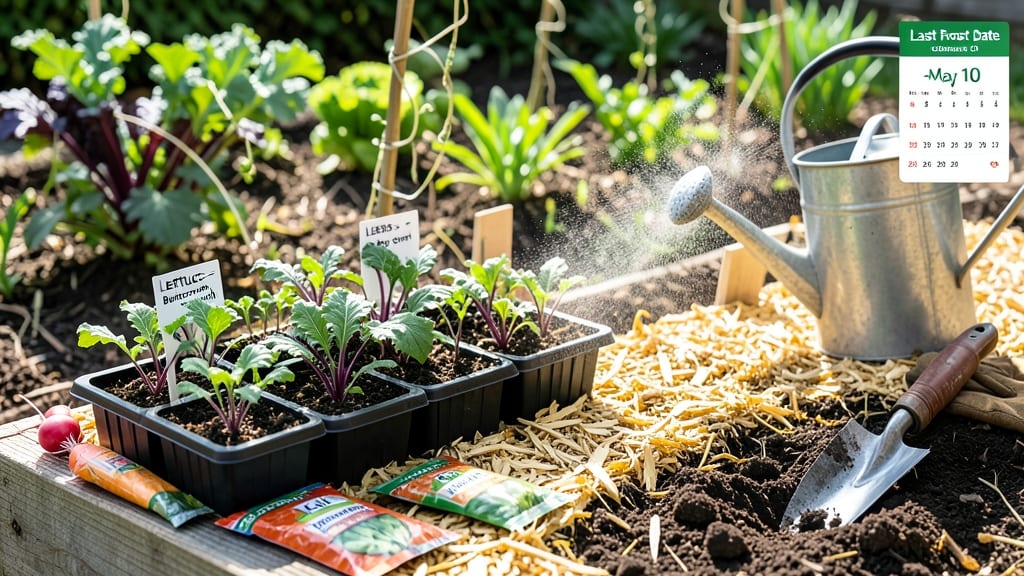
Planting a garden in Cleveland, Ohio, starts with knowing when to plant for the region’s USDA Zone 6a/6b and average frost dates — because timing is everything for a bountiful harvest.
Timing your garden planting in Cleveland’s unpredictable climate can mean the difference between a thriving harvest and a disappointing flop—but knowing the right frost dates and heat zones unlocks the secret to success.
With last spring frosts hitting around April 20 and first fall frosts arriving by October 20, cool-season crops like lettuce and peas can go in early, while warm-season favorites like tomatoes and peppers need to wait until after May 15.
Below, I’ll break down the exact planting windows for every crop, plus clever ways to stretch your growing season with row covers and cold frames so you can enjoy fresh produce for months longer.
Cleveland Ohio frost dates: when to plant cool-season vs warm-season vegetables
Cleveland’s USDA Hardiness Zones 6a/6b create a unique gardening challenge with short but intense growing seasons. The average last spring frost typically arrives around April 20, while the first fall frost usually hits October 20.
These dates define your planting windows for cool-season and warm-season crops, but Cleveland’s unpredictable weather means you’ll need to stay flexible.
Cool-season vegetables like lettuce, spinach, and peas thrive in cooler temperatures and can even handle light frosts. Warm-season crops such as tomatoes, peppers, and cucumbers need consistent warmth to germinate and grow. Understanding these differences helps you maximize your harvest without risking damage from unexpected cold snaps or heatwaves.
Here’s a quick reference for Cleveland’s planting zones and how they impact your garden’s success:
| Plant Type | Planting Window | Last Frost Risk | Example Crops | Notes |
|---|---|---|---|---|
| Cool-Season | Early spring (March-April) & late summer (August-September) | Low (can tolerate light frost) | Lettuce, Spinach, Peas, Broccoli, Kale | Plant 4-6 weeks before last frost |
| Warm-Season | After last frost (May-June) | High (damaged by frost) | Tomatoes, Peppers, Cucumbers, Corn, Beans | Soil must be 60°F+ for germination |
| Transplants | Late April-May (after frost) | Moderate (harden off seedlings) | Tomato Starts, Pepper Plants, Herb Seedlings | Use row covers for early starts |
| Fall Crops | Late July-September | High (first frost risk) | Carrots, Radishes, Lettuce, Spinach | Extend season with cold frames |
For cool-season vegetables, start seeds indoors in February-March or plant directly in March-April as soon as the soil is workable. These crops can handle light frosts and often taste sweeter after a light freeze.
Examples include lettuce, spinach, and peas, which can be planted as early as March 15 if you’re using row covers for protection.
Warm-season crops like tomatoes and peppers are far more sensitive to cold. Wait until after your last frost date, typically May 1, to plant these.
Soil temperature is critical—warm-season seeds won’t germinate in cold soil. Use a soil thermometer to confirm the soil is at least 60°F before planting.
Cleveland’s USDA Zone 6a/6b means you’ll experience variable microclimates. Urban areas may stay slightly warmer, while rural spots can be colder. Pay attention to local frost alerts and adjust your planting schedule accordingly.
For example, if you’re in a warmer microclimate, you might push your tomato planting a week earlier.
If you’re eager to extend your growing season, consider using row covers or cold frames to protect tender plants. These tools can push your last planting date into early June and even allow for fall planting of cool-season crops like kale and carrots well into September.
One common mistake in Cleveland is planting too early after a false spring. Always have a backup plan, like row covers or a greenhouse, to protect your plants if unexpected frost hits. This is especially important for warm-season crops that can’t tolerate cold.
To track your progress, mark your last frost date on a calendar and count backward for cool-season crops or forward for warm-season ones. Cleveland’s short growing season means every day counts—plan your garden layout to maximize space and use succession planting to keep your harvests coming all season long.
By following these frost date guidelines and adjusting for Cleveland’s unique climate, you’ll set your garden up for successful harvests from spring through fall. Happy planting! 🌱
Best vegetables to plant by month in Cleveland: a seasonal guide
Cleveland’s USDA Zone 6a/6b and variable frost dates (last spring frost ~April 20, first fall frost ~October 20) create a short but productive growing season. By aligning your planting with these monthly windows, you’ll maximize yields of everything from crisp spring peas to hearty fall kale.
The key is understanding which crops thrive in cool early spring or warm summer heat—and how to stretch the season with simple tricks.
Let’s break down the best vegetables to plant each month, including cool-season champions that tolerate light frosts and warm-season powerhouses that need heat to flourish. I’ll also share my top succession planting tips to keep your garden productive from March through October, even when space feels limited.
- March-April: Start cool-season crops like spinach, peas, and lettuce as soon as soil is workable (around March 15). Harden off transplants (tomatoes, peppers) indoors by late March.
- May: Plant warm-season staples (corn, beans, squash) after last frost (around May 15). Use row covers for early cucumbers and melons to warm soil faster.
- June-July: Sow heat-loving crops like okra, sweet potatoes, and eggplant. Succession plant bush beans every 2 weeks for continuous harvests.
- August: Direct-sow fall crops (carrots, radishes, kale) for early October harvests. Transplant broccoli and cabbage by August 1 to mature before frost.
- September: Extend the season with cold-hardy greens (spinach, arugula) and garlic planted now for next year. Use low tunnels to protect late tomatoes and peppers.
For early spring planting, focus on fast-growing crops like radishes (30 days to harvest) and bush beans (50 days). These give you quick wins while slower growers (like tomatoes) catch up.
I like to interplant radishes with carrots—the radishes mark where the carrots are growing without crowding them.
In late summer, switch to cool-season crops that thrive in shorter days. Kale and collard greens actually sweeten after frost, making them perfect for Cleveland’s October harvests. Just be sure to mulch heavily to protect roots from early frosts that can sneak in by mid-October.
Don’t forget herbs! Cilantro and dill bolt quickly in summer heat, so plant them in early spring or late summer for the best flavor. Parsley and chives, on the other hand, are biennials that tolerate light frosts and can be planted in fall for spring harvests.
With this month-by-month approach, you’ll turn Cleveland’s short season into a bountiful harvest—no wasted space or missed opportunities. Start small, keep notes on what thrives (or flops), and adjust next year. Happy planting! 🌱