
Planting
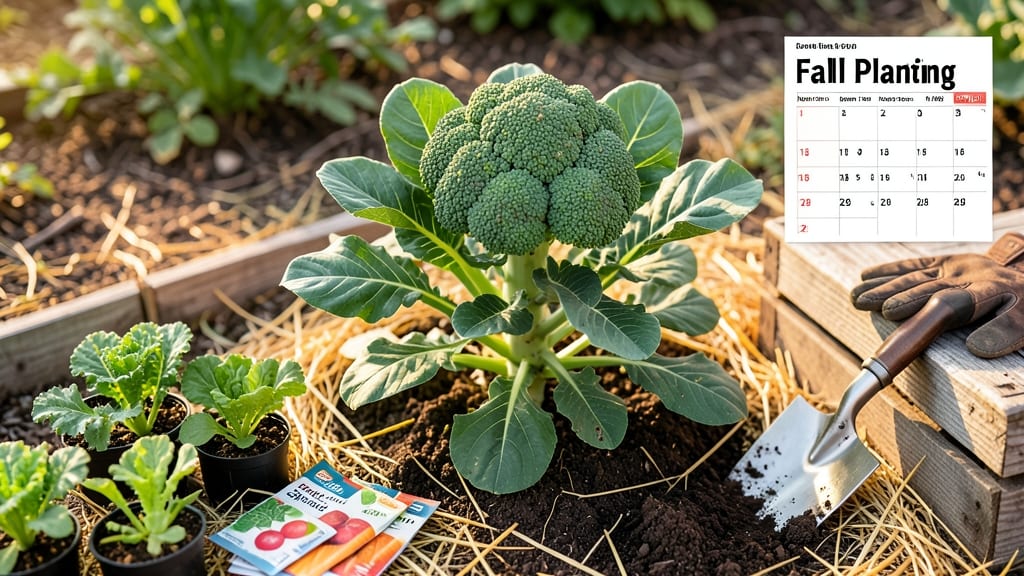
Planting a fall garden in North Texas means timing your seeds and transplants between late July and mid-September—any earlier, and your greens bolt in the heat; any later, and frost cuts your harvest short.
North Texas gardeners know timing is everything—plant too early, and your fall crops face scorching heat; too late, and frost ruins your harvest.
The key is to start 6-8 weeks before your first frost (around November 15 in Zone 8a), but not so early that your seedlings wilt under August’s relentless sun.
This guide breaks down the exact planting windows for cool-season vegetables like lettuce, spinach, and carrots, plus how to prep your soil and choose heat-tolerant varieties to beat the odds. We’ll also cover succession planting so you keep harvesting through December.
By the end, you’ll know which crops to plant in July vs. September, how to protect young plants from late-summer heat, and the simple tricks to extend your harvest until the first frost. No more wasted seeds or bolted greens—just a bountiful fall garden that lasts.
North Texas fall planting calendar: exact dates by plant hardiness zone
North Texas gardeners in USDA zones 8a and 8b face unique challenges—scorching summer heat followed by unpredictable fall frost. To succeed, I’ve mapped out exact planting windows based on first frost dates (typically November 15) and soil temperature thresholds for germination.
These dates ensure your cool-season crops thrive without heat stress or frost damage.
The key is starting 6-8 weeks before your first frost for most vegetables, but some heat-tolerant varieties can handle late summer planting.
For example, basil and okra can go in as early as late July, while kale and spinach need to wait until late August when soil temps drop below 85°F.
Here’s your zone-specific planting calendar, including ideal soil temps for germination and harvest windows to beat frost.
| Plant Type | Zone 8a Planting Window | Zone 8b Planting Window | Soil Temp for Germination | Harvest Window | Notes |
|---|---|---|---|---|---|
| Leafy Greens (Lettuce, Spinach, Kale) | Late August - Mid-September | Late August - Early September | 55-75°F | October - December | Sow successionally every 2 weeks |
| Root Vegetables (Carrots, Beets, Radishes) | Mid-August - Late September | Late July - Late September | 60-70°F | October - November | Radishes mature fastest (30 days) |
| Brassicas (Broccoli, Cabbage, Cauliflower) | Late July - Early September | Late July - Mid-September | 50-65°F | October - December | Start indoors for head formation |
| Herbs (Cilantro, Parsley, Dill) | Late August - September | Late August - Early October | 60-75°F | September - November | Cilantro bolts in heat; plant late |
| Flowers (Pansies, Snapdragons, Calendula) | Late August - September | Late August - Early October | 55-70°F | September - Frost | Pansies tolerate light frost |
For zone 8b, you’ve got a slightly longer window to plant—up to 2 weeks earlier than zone 8a. For example, broccoli and cabbage can handle a Mid-September start in zone 8b, while zone 8a gardeners should stick to early September to avoid heat stress.
Always check your local frost dates (they can vary by 5-7 days yearly).
Pro tip: Use row covers or cold frames to extend harvests by 2-3 weeks after the first frost. I’ve used these to keep spinach and kale producing well into December in my Dallas garden. Just remove covers during the day to prevent overheating.
Soil temperature is critical—most cool-season crops won’t germinate well above 80°F. Use a soil thermometer to confirm temps before planting. If your soil is still too hot
Best fall vegetables for North Texas: fast-growing vs. slow-maturing crops
When planning your North Texas fall garden, choosing the right vegetables makes all the difference. Fast-growing crops like radishes and spinach deliver quick rewards, while slow-maturing varieties such as kale and carrots require more time. Understanding these differences helps you maximize your harvest before the first frost.
In USDA Zone 8a/8b, where North Texas falls, the growing season stretches from late summer to early winter. Fast growers (30-50 days to maturity) thrive when planted in August and early September, while longer-season crops (60+ days) need a head start in late July or early August to mature before cold weather sets in.
Here’s a quick comparison to help you decide which crops fit your timeline and garden goals:
Fast-Growing vs. Slow-Maturing Fall Crops
Fast-Growing Crops
- Radishes (30-40 days)
- Lettuce (30-50 days)
- Spinach (40-50 days)
- Green Onions (60 days)
- Bush Beans (50-60 days)
Pros
- Quick harvests keep you motivated
- Ideal for succession planting
- Less risk of frost damage
- Great for small gardens
- Can be replanted every 2-3 weeks
Slow-Maturing Crops
- Kale (60-80 days)
- Broccoli (70-90 days)
- Carrots (70-80 days)
- Cabbage (80-100 days)
- Brussels Sprouts (90-100 days)
Cons
- Requires earlier planting
- More vulnerable to late-season heat
- Longer commitment to garden space
- Risk of frost before maturity
- Slower return on investment
For fast-growing crops, focus on succession planting every 2-3 weeks. This strategy ensures a continuous supply of fresh produce. For example, plant radishes every 10 days from mid-August through early October. This way, you’ll have a fresh batch ready every few weeks without overcrowding your garden.
If you’re growing slow-maturing crops, start with transplants instead of seeds to give them a head start. For instance, broccoli and cabbage thrive when planted as seedlings in late July.
This early start helps them reach maturity before the first frost, which typically hits North Texas around mid-November.
Extend your harvest season by using row covers or cold frames for slow-maturing crops. These tools protect your plants from early frosts and can add 2-4 weeks to your growing season. For example, kale and carrots planted in early August can often be harvested well into December with proper protection.
Don’t forget to rotate crops to maintain soil health. Plant fast growers in one section and slow growers in another, then switch their locations next season. This practice prevents soil depletion and reduces the risk of pests and diseases, ensuring a thriving garden year after year.