
Planting
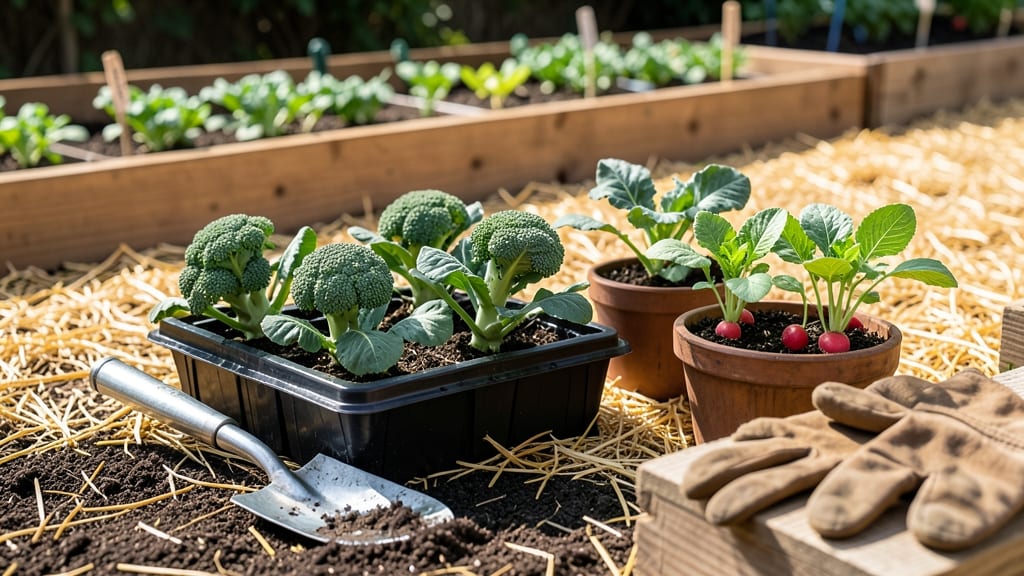
Planting a fall garden in Texas means starting 6 to 8 weeks before your first frost—a window that shifts dramatically from North to South Texas, where a late-September start could mean harvests in November.
Texas gardeners know that fall planting offers a second chance for a bountiful harvest—but timing is everything. Plant too early, and scorching heat will ruin your crops; too late, and frost will strike before maturity.
This guide breaks down the exact dates for your region, the heat-tolerant crops that thrive in Texas’s long growing season, and how to avoid the three biggest mistakes that turn fall gardens into flops.
You’ll learn which varieties to choose, when to prep your soil, and how to stretch your harvest through the first frost—so you can enjoy fresh greens and root vegetables well into winter.
Texas fall planting timeline: frost-date zones & critical heat-tolerant window
Texas' diverse climate means your fall planting window depends heavily on where you garden. The state spans USDA Zones 7a to 9b, with frost dates ranging from early November in North Texas to December in the Gulf Coast.
This variation creates a 6-8 week heat-tolerant window before first frost - your golden opportunity for fall crops like okra, sweet potatoes, and black-eyed peas.
In North Texas (Zones 7a-8a), your last chance to plant heat-lovers is typically mid-August to early September. Central Texas (Zones 8a-8b) extends this window until late September, while South Texas (Zones 9a-9b) can plant heat-tolerant crops until mid-October.
These dates ensure crops mature before first frost, which arrives earliest in the Panhandle and latest near the Rio Grande Valley.
Urban areas often experience earlier frosts than rural zones due to the "urban heat island" effect, while rural gardens may have 2-3 extra weeks of growing time.
Always check your local Texas A&M AgriLife Extension frost date maps for precise timing, as microclimates can shift planting windows by 10-14 days.
Your critical heat-tolerant window begins when daytime highs drop below 90°F consistently - usually mid-August in most regions. This is when you should start direct-sowing heat-tolerant crops like southern peas and cowpeas, or transplant seedlings of collard greens and mustard greens.
| Region | USDA Zone | Last Planting Date | First Frost Avg. | Heat-Tolerant Window |
|---|---|---|---|---|
| North Texas | 7a-8a | Mid-August - Early Sept. | Nov 15 - Dec 1 | 6-7 weeks |
| Central Texas | 8a-8b | Late Aug. - Late Sept. | Nov 20 - Dec 10 | 7-8 weeks |
| South Texas | 9a-9b | Mid-Sept. - Mid-Oct. | Dec 1 - Jan 10 | 8-9 weeks |
Note: Urban areas may experience frost 1-2 weeks earlier than rural zones.
For heat-tolerant crops, aim to transplant seedlings when soil temperatures drop below 85°F but remain above 70°F. Use a soil thermometer to monitor - ideal transplanting temps create less shock for plants transitioning from summer heat.
This typically occurs in late August for North Texas and early September for Central/South Texas.
Your last planting dates should align with your crop's days to maturity. For example, sweet potatoes (90-120 days) need planting by mid-August in North Texas, while collard greens (30-60 days) can go in until mid-October statewide.
Always check seed packets for specific variety requirements - some black-eyed peas mature in just 50 days, while others need 80+ days.
Don't forget about succession planting in your fall garden. After harvesting early crops like okra or southern peas, replant with cool-season crops like turnips or radishes that can handle light frosts. This extends your harvest window by 4-6 weeks in most Texas regions.
Monitor your garden's microclimate closely - areas near large trees or buildings may frost 3-5 days earlier than open fields. Consider using row covers or low tunnels to extend your growing season by 2-3 weeks in frost-prone zones.
These protective measures are especially valuable in North and Central Texas where frost arrives earliest.
Remember: Texas' fall planting success hinges on these three factors - knowing your frost date, matching crops to your heat-tolerant window, and adjusting for local microclimates. With this precise timing, you'll enjoy a second harvest season that rivals your spring planting success.
Best heat-tolerant fall vegetables for Texas: what to plant & when to start seeds
Fall gardening in Texas isn’t just about escaping summer’s heat—it’s about selecting the right heat-tolerant crops that thrive in the transition from scorching days to cooler nights. The key is planting 6-8 weeks before your region’s first frost, but with Texas’s diverse climate, timing varies from North to South.
For example, North Texas (USDA Zones 7-8) typically starts fall planting in mid-August, while South Texas (Zones 9-10) can extend planting until early October.
To maximize your harvest, focus on heat-loving vegetables that handle Texas’s lingering summer heat while maturing before frost. These include southern peas, collard greens, jalapeños, and sweet potatoes. The secret?
Start seeds indoors or direct-sow when soil temperatures drop below 90°F but stay above 60°F—the sweet spot for germination and growth. Let’s break down the top 10 heat-tolerant fall crops and their precise planting windows.
- Southern Peas (Cowpeas): Direct-sow August 1–September 15 (North TX) or September 1–October 15 (South TX). Thrives in 80–95°F soil.
- Collard Greens: Start seeds indoors July 15–August 15; transplant August 15–September 30. Tolerates light frosts.
- Jalapeños: Sow seeds indoors June 1–July 15; transplant July 15–August 31. Needs full sun and well-draining soil.
- Sweet Potatoes: Plant slips July 1–August 15 (North TX) or August 1–September 15 (South TX). Prefers warm soil (70–90°F).
- Okra: Direct-sow May 1–September 1 (fast-growing; harvest before frost). Loves hot, dry conditions.
- Black-Eyed Peas: Sow August 1–September 15. Matures in 60–70 days—ideal for late fall harvests.
- Kale: Start indoors July 15–August 15; transplant August 15–September 15. Sweeter after light frost.
- Turnips: Direct-sow August 1–September 15. Harvest greens in 40 days; roots in 60 days.
- Cabbage: Sow seeds indoors July 1–August 1; transplant August 15–September 15. Needs fertile soil.
- Swiss Chard: Start indoors July 15–August 15; transplant August 15–September 30. Cut-and-come-again.
For indoor seed starting, kick off the process 6–8 weeks before transplanting. Use grow lights to maintain 70–75°F soil temps and keep seedlings well-hydrated but not soggy.
Once seedlings have 2–3 true leaves, harden them off for 5–7 days before transplanting into the garden. Direct-sowing is simpler for fast growers like okra or southern peas—just scatter seeds after soil cools below 90°F.
Pro tip: Use mulch to retain soil moisture and row covers for early transplants to protect against unexpected heat spikes. Monitor soil temperature with a thermometer—most seeds need 60–90°F to germinate. For example, jalapeños germinate best at 80–90°F, while kale prefers 50–70°F.
Remember, Texas’s first frost dates vary wildly: North Texas averages November 15–December 15, while South Texas rarely sees frost before January. Plan accordingly by checking the Texas A&M AgriLife Extension frost maps.
With the right crops and timing, your fall garden can be just as productive—and delicious—as your spring one! 🌱