
Planting
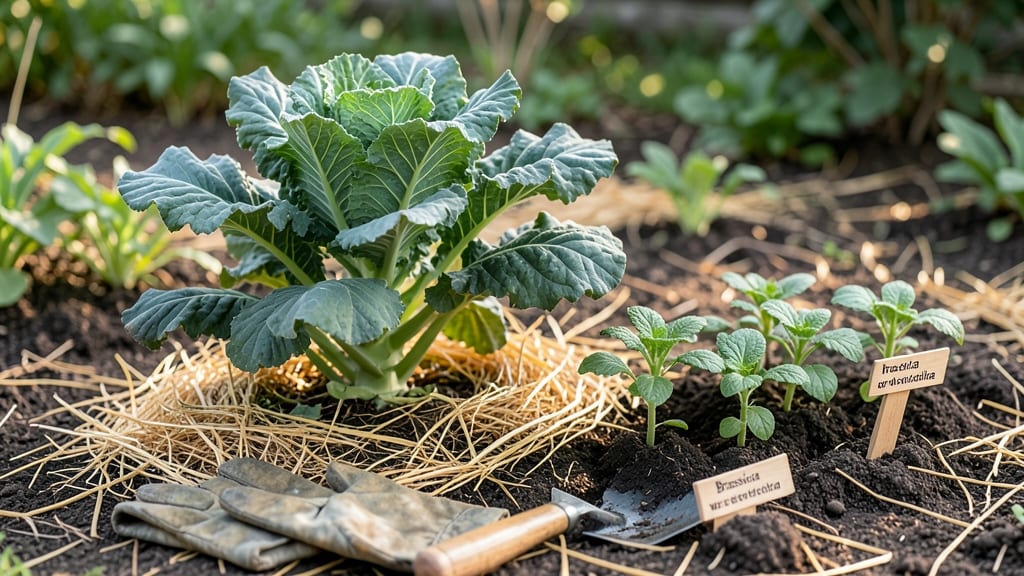
Planting a fall garden in Houston, Texas between mid-August and early October unlocks a second growing season when the heat finally breaks 🥕 — but timing is the difference between a thriving harvest and a failed experiment.
Picture this: You’ve just escaped summer’s brutal 100°F days, and the thought of fresh greens or crisp carrots feels like a reward. But plant too early, and your seedlings wilts under lingering heat; too late, and frost sneaks in before you’ve even picked your first tomato.
Houston’s unique Zone 9a climate demands precision: heavy clay soil, unpredictable rains, and those infamous late frosts mean your fall garden isn’t just about seeds and dirt—it’s about strategy.
In this guide, I’ll break down the exact planting windows by crop type, how to prep Houston’s stubborn soil, and the 5 mistakes that derail even the most eager gardeners—so you can finally grow a fall garden that outlasts the heat and beats the frost.
Houston fall planting calendar: exact dates by heat Zone and vegetable type
Houston’s fall gardening season runs from mid-August to early October, but the exact timing depends on your heat zone (8B or 9A) and the crop type. In Zone 9A, you’ve got more leeway to plant later than Zone 8B gardeners.
The key is avoiding heat stress while ensuring crops mature before the first frost (typically around December 1).
Cool-season crops like leafy greens and brassicas thrive when soil temps drop below 85°F, while warm-season holdovers (tomatoes, peppers) need to be planted early enough to avoid stunted growth. Below is your Houston-specific planting timeline, broken down by crop category and heat zone.
⚠️ PRO TIP: Use shade cloth or row covers for early plantings to protect seedlings from lingering summer heat. This buys you 10-14 extra days in the planting window.
For Zone 8B gardeners, the August 15 mark is critical—planting after this date risks heat stress for cool-season crops. In Zone 9A, you can push plantings into early September, but avoid starting seeds after September 15 for most vegetables. Succession planting every 2 weeks ensures a continuous harvest.
If you’re planting tomatoes or peppers as fall holdovers, prioritize heat-tolerant varieties like 'Celebrity' tomatoes or 'Aristotle' peppers. These can handle Houston’s lingering summer heat better than standard varieties. For leafy greens, choose bolt-resistant types like 'Winter Density' lettuce or 'Lacin
Soil preparation checklist: how to fix Houston’s heavy clay for fall gardens
Houston’s heavy clay soil can feel like a gardening nightmare—it bakes hard in summer and stays soggy in fall. But with the right prep, you can transform it into fertile ground for your fall vegetables and herbs.
The key? Breaking up compaction, balancing pH levels, and improving drainage before planting begins. Let’s tackle this step by step to ensure your fall garden thrives.
First, test your soil’s pH level—Houston’s clay often skews acidic or alkaline. Aim for a pH range of 6.0–7.0 for most vegetables. Use a simple soil test kit (available at garden centers) or send a sample to Texas A&M AgriLife Extension for a detailed analysis.
Adjustments like lime for acidity or sulfur for alkalinity will set you up for success.
🌱 Pros and Cons of Houston Clay Soil Fixes
| Method | Pros | Cons |
|---|---|---|
| Compost Amendment | Improves drainage, adds nutrients, and loosens clay | Requires regular applications; can attract pests if fresh |
| Worm Castings | Enhances soil structure, rich in microbes, gentle on plants | Expensive upfront; effects take time to show |
| Gypsum for Drainage | Breaks up clay without altering pH; fast-acting | Doesn’t add nutrients; may require reapplication |
| Mulching with Straw | Retains moisture, suppresses weeds, regulates soil temp | Needs replenishing; can harbor rodents if not managed |
Once you’ve adjusted the pH balance, focus on organic matter. Mix in 2–3 inches of well-aged compost or worm castings into the top 6–12 inches of soil.
For stubborn clay, add gypsum (calcium sulfate) to improve drainage—just follow package instructions. Work these amendments into the soil at least 2 weeks before planting to let them integrate.
Houston’s fall rains can turn your garden into a mud pit if drainage is poor. Create raised beds or amend soil with coarse sand (like horticultural sand) to prevent waterlogging. For in-ground plots, mound soil into ridges to encourage water runoff.
Always pair this with a 2–3 inch mulch layer of straw or shredded leaves to lock in moisture and keep roots cool.
Don’t forget to aerate compacted soil with a broadfork or tilling tool before planting. This opens up channels for roots and improves air circulation. For container gardens, use a mix of potting soil, perlite, and compost to mimic ideal conditions.
With these steps, your heavy clay will support broccoli, kale, and other fall favorites like a dream.
Fall is the perfect time to fix Houston’s clay—cooler temps make soil work more comfortable, and your plants will reward you with vigorous growth. Start prepping now, and you’ll be ready to plant cool-season crops by mid-September for a harvest before the first frost. Happy digging! 🌱