
Planting
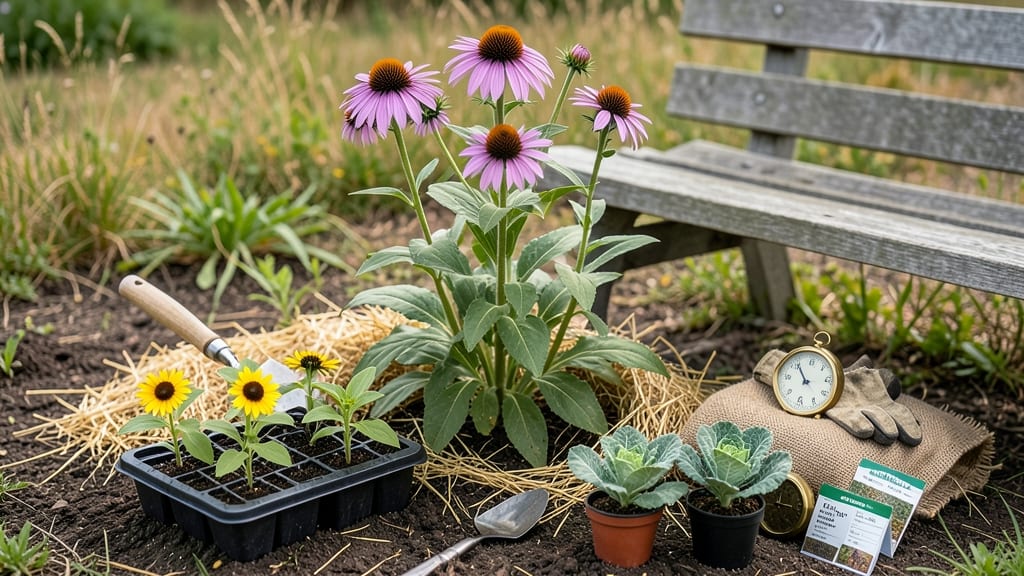
Planting a garden in North Dakota means timing your 🌱 crops perfectly between late April and early June, after the last frost—otherwise, you risk losing everything to a surprise freeze.
North Dakota’s short growing season demands precision—plant too early and risk frost damage, too late and miss peak harvests. Timing your garden right means the difference between thriving plants and wasted effort.
With USDA zones 3b-5a and frost-free days averaging just 130, knowing when to start seeds indoors, transplant seedlings, and sow directly is the key to a productive garden. The right schedule ensures your General Garden Plants mature before the first frost in late September.
Here’s your month-by-month guide to planting for the best yields, including cold-hardy crops, succession planting tips, and strategies to extend your growing season without a greenhouse.
North Dakota frost dates: critical planting windows by region
Understanding North Dakota’s frost dates is your secret weapon for a successful garden. With USDA Zones 3b-5a, our growing season is short—typically just 120-140 frost-free days. Missing the window by even a week can mean lost crops or stunted growth.
The North Dakota State Climate Office tracks these dates carefully, and I’ve broken down the averages to help you plan.
Your last spring frost usually arrives between May 1-15, but this varies wildly across regions. For example, Fargo tends to see its final frost around May 10, while Bismarck might wait until May 14.
Meanwhile, the first fall frost typically hits between September 15-October 15, with Grand Forks often frosting earlier than Minot. These dates shift yearly, so I recommend checking local forecasts in late April for real-time updates.
North Dakota’s geography creates microclimates that can shift frost dates by weeks. Urban areas like Fargo and Grand Forks often warm up faster than rural spots due to the urban heat island effect. Conversely, western ND (e.g., Dickinson) can experience later frosts because of colder air pooling in valleys.
If you’re near a large body of water, like Devils Lake, expect slightly later springs and earlier falls.
Here’s the critical data you need to plan your garden. Use this frost date summary to align your planting with North Dakota’s unpredictable climate:
| Region | Last Spring Frost (Avg.) | First Fall Frost (Avg.) | Frost-Free Days | USDA Zone | Microclimate Notes |
|---|---|---|---|---|---|
| Fargo | May 10 | September 25 | 138 days | 4b-5a | Urban heat delays spring frost |
| Bismarck | May 14 | September 20 | 129 days | 4a-4b | Dry climate; later falls |
| Grand Forks | May 5 | September 15 | 133 days | 3b-4a | River valley; earlier frosts |
| Minot | May 12 | September 28 | 139 days | 4a-4b | Longer season; less frost risk |
| Dickinson | May 15 | September 18 | 126 days | 4a | Western ND; colder nights |
Now that you’ve got the baseline frost dates, here’s how to adjust for your specific location. If you’re in a low-lying area, expect frost to linger 3-5 days longer than the average. Conversely, south-facing slopes or urban gardens can warm up 1-2 weeks earlier.
For example, a garden in Fargo’s downtown core might safely plant cold-sensitive crops like tomatoes by May 20, while a rural farm nearby might wait until May 25.
Pro tip: Use frost-sensitive plants as your frost gauge. If your marigolds or coleus survive overnight, it’s safe to plant peppers and eggplants. These plants are more sensitive to cold than vegetables but less hardy than kale or spinach. I’ve also found that <
Best planting schedule for North Dakota’s short season: cool vs warm crops
North Dakota’s 130-day growing season requires strategic planning to maximize yields. Cool-season crops like spinach and peas thrive in early spring, while warm-season lovers like tomatoes and peppers need to wait until after the last frost. The key is balancing frost dates with plant maturity timelines.
I’ve tested these schedules in USDA Zone 4 (common across ND) and found that succession planting can extend harvests by 3-4 weeks. For example, planting ‘Northern Lights’ tomatoes in late May gives you time to harvest before the first frost in September.
Let’s break down the best month-by-month planting calendar for your ND garden.
- April: Start cool crops indoors (basil, lettuce) or direct-sow hardy greens (spinach, peas) when soil reaches 40°F.
- May: Plant potatoes and onions as soon as soil is workable. Wait until May 15 for warm crops like beans and squash.
- June: Transplant tomatoes, peppers, and cucumbers after last frost. Succession-plant bush beans every 2 weeks.
- July: Direct-sow fall radishes and kale for late harvests. Add marigolds to deter pests.
- August: Plant cool-season crops (spinach, arugula) for fall harvests. Avoid warm crops—they’ll bolt in ND’s short summer.
For herbs, I recommend planting parsley and cilantro in early May—they bolt quickly in ND’s heat. Dill and chives are more forgiving and can handle our hot July days. Always choose ND-adapted varieties like ‘Arctic King’ carrots or ‘Santee’ 65’ tomatoes for reliability.
Succession planting is your secret weapon. For example, sow bush beans every 2 weeks from June to July to ensure a steady harvest. Similarly, lettuce and radishes can be planted in late July for a fall crop. This technique turns a 130-day season into a 180-day harvest window.
Don’t overlook flowers—they attract pollinators and deter pests. Plant marigolds in May and zinnias in June for continuous blooms. Nasturtiums are another great choice; they’re edible and thrive in ND’s rocky soil. 🌼
Remember, ND’s first frost typically hits around September 20. Plan your warm-season crops to mature at least 2 weeks before this date. For example, ‘Early Girl’ tomatoes need 60 days to harvest—plant them by July 15 at the latest.
With this schedule, you’ll enjoy fresh homegrown produce from May through October. 🍅