
Planting
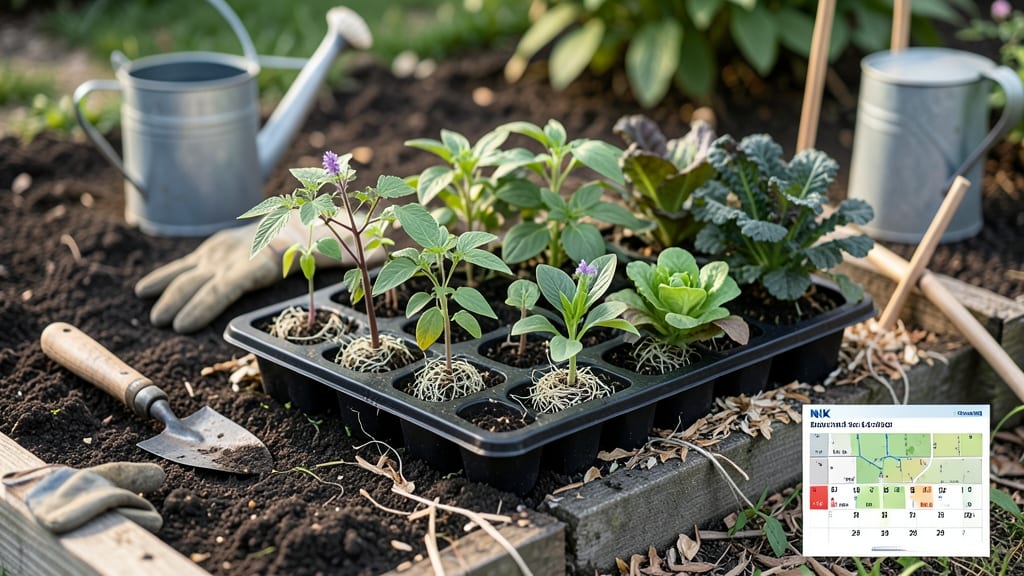
To plant a vegetable garden in NJ, time your cool-season crops 4-6 weeks before the last frost and warm-season crops 2-3 weeks after—because missing these windows means wasted seeds or stunted harvests.
New Jersey’s diverse microclimates—from coastal beaches to inland valleys—mean your vegetable garden’s planting timeline can vary by weeks, even within the same county. Get the exact soil temperatures and frost-free dates tailored to your NJ zone to maximize your harvest and avoid costly mistakes.
In North Jersey (6a), where frosts linger until mid-April, you’ll want to start peas and spinach by early March under row covers. Meanwhile, South Jersey (7b) gardeners can plant tomatoes as early as late March, thanks to warmer coastal soils.
Below, I’ll break down the perfect planting schedule by crop type, soil temperature rules, and how to adjust for urban heat islands or rural shade. No more guessing—just a foolproof NJ planting plan for your 🥕 harvest.
NJ planting calendar by microclimate: coastal vs inland frost dates
New Jersey’s microclimates create dramatic differences in planting success. Coastal areas like Cape May often experience delayed soil warming due to ocean breezes, while inland regions near the Delaware River can see earlier frost-free dates by weeks.
Understanding these variations helps you avoid frost damage to tender seedlings or waiting too long to plant heat-loving crops.
For North Jersey (USDA Zones 6a-6b), the average last frost date hovers around April 15-20. However, high-elevation areas like the Ramapo Mountains may see frost lingering until May 1.
In contrast, South Jersey (Zones 7a-7b) typically warms up by March 20-30, allowing early plantings of cool-season crops like spinach and peas.
Coastal regions—including Atlantic City and Sandy Hook—often have cooler soils well into May due to marine layer effects. This means warm-season crops like tomatoes and peppers may need to wait until May 15-20 for safe planting, while inland areas can start as early as April 25.
| Region | Last Frost Date | First Frost Date | Warm Soil (60°F+) | Planting Window |
|---|---|---|---|---|
| North Jersey (Zone 6a-6b) | April 15-20 | October 15-20 | Late April-May | Cool crops: March-April; Warm crops: May 15-June 15 |
| Central Jersey (Zone 7a) | April 1-10 | October 20-25 | Mid-April | Cool crops: Feb-March; Warm crops: April 25-May 30 |
| South Jersey (Zone 7a-7b) | March 20-30 | November 1-10 | Early April | Cool crops: Jan-Feb; Warm crops: April 10-May 15 |
| Coastal (Atlantic City) | April 25-May 5 | October 30-Nov 10 | Late May | Cool crops: March-April; Warm crops: June 1-15 |
If you’re gardening in coastal New Jersey, like in Cape May or Sea Isle City, expect soil temperatures to lag behind inland areas. A soil thermometer is your best tool—wait until readings hit 60°F+ for warm-season crops like tomatoes and peppers.
Inland areas can often plant 2-3 weeks earlier than coastal zones.
For urban gardeners in cities like Newark or Trenton, heat islands can create microclimates where soil warms faster than rural areas. Test your soil temperature in the morning for accuracy—afternoon sun can skew readings higher.
Use row covers to protect early plantings if nighttime temps dip below 50°F.
In North Jersey, where frosts can linger, prioritize hardy cool-season crops like kale, carrots, and radishes in early spring. These can handle light frosts and even improve in flavor.
Wait until after the last frost date to plant lettuce and spinach, as they’ll bolt (go to seed) if exposed to prolonged warmth.
For fall planting, aim to sow cool-season crops by mid-August in North Jersey and early September in South Jersey. Coastal areas may push this window to late August due to slower cooling. Use mulch to insulate soil and extend the growing season for crops like broccoli and cabbage.
Pro tip: Monitor local weather forecasts and use NJ State Climate Office data for real-time updates. Even a 5-day delay in frost can mean the difference between a thriving garden and lost seedlings.
Adjust your planting schedule annually—climate patterns shift, and coastal areas may see earlier warming due to
Soil temperature guide for NJ vegetables: when to plant cool vs warm season crops
New Jersey’s soil temperature dictates when to plant your vegetable garden for maximum success. Unlike air temperature, soil warmth triggers seed germination and root growth.
For warm-season crops like tomatoes and peppers, wait until soil reaches 60-65°F—typically mid-May in most NJ zones. Cool-season crops, such as lettuce and spinach, thrive when soil is 40-50°F, often as early as mid-March.
Monitor soil temps with a soil thermometer (available at garden centers for ~$10). Coastal areas like Cape May stay cooler longer, while inland zones like Trenton warm faster. Transplanting warm-season seedlings too early?
They’ll linger and stunt—wait for consistent warmth. For succession planting, aim to sow seeds every 2-3 weeks once soil temps stabilize.
For tomatoes and peppers, soil temps below 55°F stunt growth—use black plastic mulch to warm soil faster. Lettuce and spinach bolt (go to seed) when soil exceeds 70°F, so plant them in shade cloth during summer. Succession plant fast-growing crops like radishes (30 days to harvest) every 2 weeks for continuous yields.
Pro tip: Test your soil with a pH kit (ideal range: 6.0-7.0 for most veggies). Amend with compost or lime if needed—healthy soil warms faster. In coastal NJ, delay planting until late May due to slower soil warming near water.
Need a quick reference? Bookmark this: 40-50°F = cool crops, 60-65°F = warm crops. Use a seedling heat mat ($20) to jumpstart germination if your soil runs cold. Fall planting? Aim for soil temps above 50°F—cool-season crops like kale sweeten with frost!
Start with one test bed this season—plant basil and lettuce side by side in May. Notice how the basil thrives in warm soil while the lettuce bolts? That’s your cue to adjust timing next year. Happy planting! 🌱