
Planting
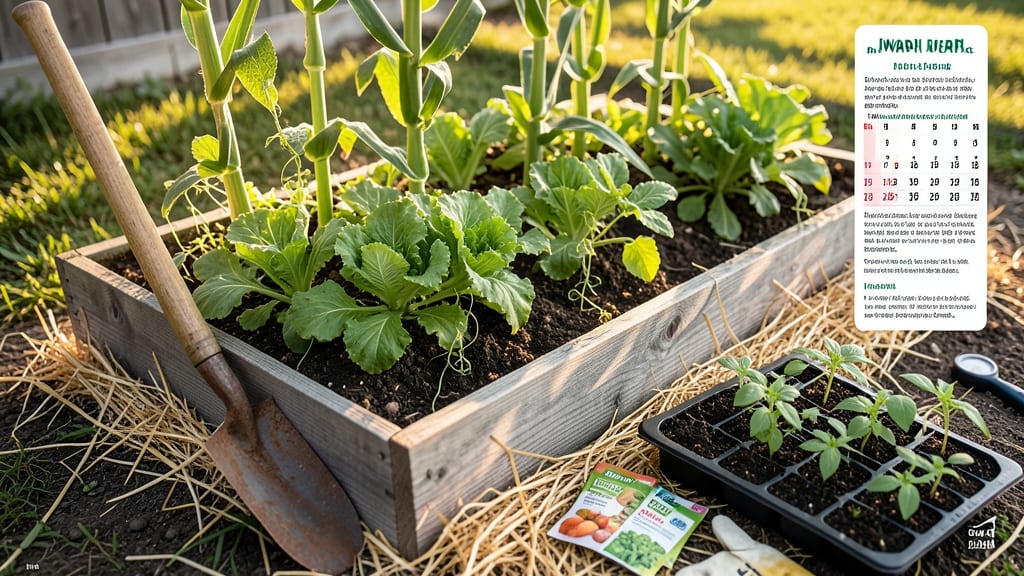
Planting a vegetable garden in Iowa at the right time means the difference between a bountiful harvest and a wasted season—and getting those dates wrong can leave you pulling weeds instead of pulling carrots.
Iowa’s unpredictable frost dates and hardiness zones (4a–5b) make timing everything. One week too early, and your seedlings turn to mush; one week too late, and you miss the growing window entirely. I’ve seen both happen—even to the most experienced gardeners.
This guide breaks down the exact planting windows for cool-season crops like spinach (plant in early spring) and warm-season crops like tomatoes (wait until after the last frost).
We’ll also cover how to adjust for your specific zone, extend your season with simple tricks, and avoid the three biggest mistakes Iowans make every year.
By the end, you’ll know when to plant every crop in your garden, plus how to push your harvests earlier—or later—so you’re eating fresh veggies from June to October.
Iowa planting calendar by hardiness Zone (4a vs 5b): exact dates for vegetables
Iowa’s hardiness zones 4a and 5b create a 2-3 week difference in planting timelines, making precision critical for success. In Zone 4a (north Iowa), your last frost typically arrives May 10-20, while Zone 5b (south Iowa) sees frost-free conditions 2 weeks earlier.
This shift impacts everything from spinach to tomatoes, so knowing your exact zone saves your plants from frost damage.
Cool-season vegetables like peas and lettuce thrive when planted 4-6 weeks before your last frost date. Meanwhile, tomatoes and peppers need soil temperatures above 60°F—waiting until 2-3 weeks after your last frost ensures they don’t wilt.
Urban gardens often warm up faster than rural areas, so adjust your timeline 1 week earlier if you’re in a city like Des Moines.
Microclimates matter: A south-facing slope or paved area can add 5-10°F warmth compared to a shaded backyard. Use these local frost date resources to fine-tune your schedule: Iowa State University’s frost probability maps or your county extension office. For example, Zone 4a gardeners in Dubuque should wait until May 25 for warm-season crops, while Zone 5b growers in Ottumwa can plant by May 10.
| Crop Type | Zone 4a Planting Window | Zone 5b Planting Window | Notes |
|---|---|---|---|
| Cool-Season (Spinach, Lettuce, Peas) | April 15–May 10 (direct sow) | April 1–April 25 (direct sow) | Plant 4-6 weeks before last frost; use row covers for late spring. |
| Warm-Season (Tomatoes, Peppers, Cucumbers) | May 25–June 10 (after frost) | May 10–May 25 (after frost) | Start indoors 6-8 weeks before last frost; harden off before transplanting. |
| Fall Crops (Kale, Carrots, Radishes) | July 15–August 10 | July 1–July 20 | Aim for 90 days before first frost; use black plastic mulch to extend harvest. |
| Root Vegetables (Potatoes, Onions, Beets) | April 1–April 15 (potatoes); April 15–May 10 (others) | March 20–April 1 (potatoes); April 1–April 15 (others) | Potatoes need 40-60°F soil; plant 2-3 inches deep. |
For Zone 4a, start cool-season crops indoors by March 15 to get a head start. Seedlings like broccoli and cabbage can handle light frosts, so transplant them 2 weeks before your last frost date.
In Zone 5b, you’ve got extra time: Direct-sow beans and squash as early as April 20, since they tolerate soil temps down to 50°F.
Urban gardeners in Des Moines or Cedar Rapids often experience earlier soil warming due to heat islands. Test your soil temperature with a soil thermometer—warm-season crops need 60°F+ for 10 days before planting.
If your soil is too cold, use black plastic mulch or straw bales to warm it up 2-3 weeks faster.
Don’t overlook fall planting: In Zone 4a, sow spinach and radishes by August 1 for a harvest before winter. Zone 5b gardeners can push this to August 15.
Use row covers to protect tender greens from light frosts (down to 20°F). For hardy crops like kale, you can even harvest through December if you mulch heavily.
Pro tip: Mark your last frost date on your calendar using Iowa State’s frost calculator. Then, count backward for cool-season crops and forward for warm-season plants. For example, if your last frost is May 15, plant tomatoes indoors March 15 and transplant May 25.
This 10-week rule ensures your plants mature before frost.
Adjust for <
How to extend Iowa’s short growing season: 5 proven techniques for earlier harvests
Iowa’s short growing season (just 165 frost-free days) can feel like a race against time—but it doesn’t have to be. With the right strategies, you can push your first harvests 2–3 weeks earlier or delay fall harvests by 4+ weeks.
The key? Combining season extension tools, smart planting techniques, and frost-tolerant varieties to maximize your garden’s potential. Let’s dive into the 5 most effective methods I’ve tested in my own Iowa garden.
First, let’s address the biggest challenge: late spring frosts and early fall freezes. These can wipe out tender crops like tomatoes and peppers if you’re not prepared. The good news? You don’t need a greenhouse to succeed.
Simple, affordable tools like row covers and cold frames can create microclimates that shield plants from 20–28°F temperatures. Even better, these methods work for both spring starts and fall extensions, giving you a longer harvest window without extra space.
🌱 5 Proven Techniques to Extend Iowa’s Growing Season
- Cold Frames: Add 4–6 weeks to your season by trapping solar heat. Use them for early spring starts like lettuce or late fall harvests of kale.
- Row Covers: Lightweight fabric blocks light frosts (down to 25°F) and speeds up warm-season crops like tomatoes by 2 weeks.
- Succession Planting: Stagger plantings every 2 weeks to ensure a continuous harvest of bush beans or radishes.
- Frost-Tolerant Varieties: Choose cold-hardy crops like Swiss chard or spinach that survive down to 15°F.
- Soil Warming: Use black plastic mulch or compost piles to raise soil temps 5–10°F earlier in spring.
Let’s start with cold frames, my go-to for early spring planting. These low-cost structures (built from wood frames + plexiglass) can add 30–45 days to your growing season.
I use mine to start cool-season crops like peas and spinach in early April, often harvesting 3 weeks earlier than my unprotected beds. The secret? Place them on south-facing slopes to maximize sunlight absorption.
For fall extensions, I leave them in place until mid-November, letting kale and carrots thrive in the cooler temps.
For warm-season crops like tomatoes and peppers, row covers are a game-changer. These lightweight fabrics (made of spunbonded polyester) let in 90% of sunlight while blocking light frosts.
I’ve seen tomato seedlings survive 28°F nights under row covers, allowing me to plant 2 weeks earlier than the average last frost date. Pro tip: Secure the edges with bricks or soil to prevent wind damage, and remove covers during the day in summer to avoid overheating.
Don’t overlook succession planting, a simple but powerful technique to double your harvest. Instead of planting all your bush beans at once, sow half in early May and the other half 2 weeks later.
This ensures you’re picking fresh beans every 2 weeks instead of a single 2-week glut. The same strategy works for radishes, lettuce, and even carrots. For fall crops, I plant spinach in late July and again in early August, guaranteeing harvests through October.
Choosing the right frost-tolerant varieties can mean the difference between a bountiful harvest and a wasted planting. For example, ‘Winterbor’ kale survives down to 15°F and tastes sweeter after frost, while ‘Arctic King’ carrots stay crisp in 20°F temps.
I also love ‘Red Malabar’ spinach, which thrives in cool nights and produces through early December in my garden. Check seed packets for cold-hardiness ratings—look for varieties labeled “early maturity” or “cold-tolerant”.
Finally, soil warming is a hidden weapon for earlier plantings. Cold soil delays germination, but black plastic mulch or compost piles can raise temperatures 5–10°F faster. I cover my tomato beds with black plastic in early April, then remove it to plant 2 weeks earlier than usual.
For container gardens, I use heat mats under seed trays to jumpstart pepper seedlings in Zone 4a. Even a simple compost pile near your garden beds can warm the soil enough to extend your planting window by 1–2 weeks.