
Planting
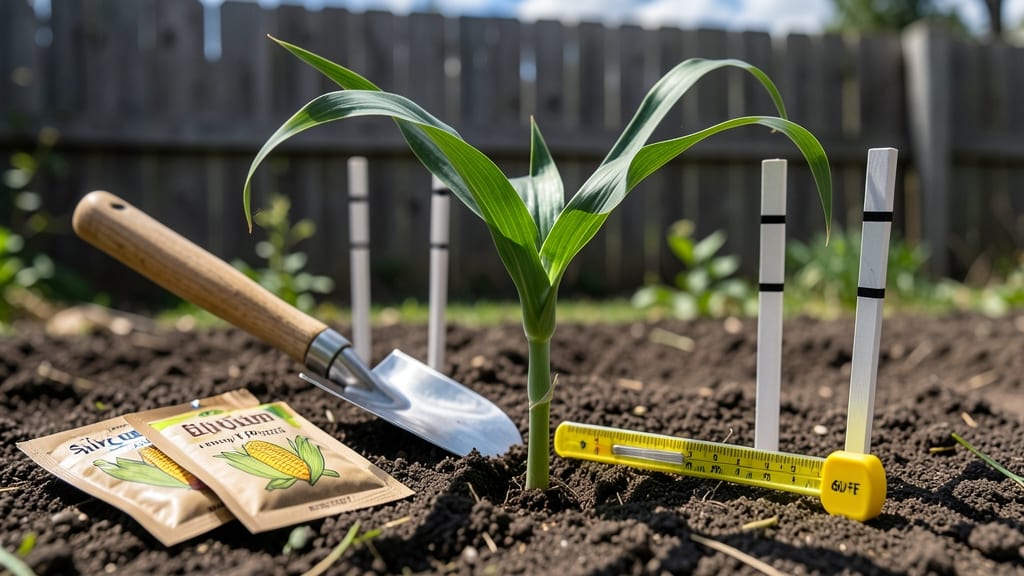
Planting a garden in Iowa at the right time means the difference between a bountiful harvest and a frost-nipped disappointment.
Iowa gardeners know timing is everything—plant too early, and frost will wipe out your hard work; too late, and you miss peak harvests. But with Iowa’s variable climate, figuring out the perfect planting window can feel like guessing.
Cool-season crops like peas and lettuce can go in as early as mid-March in southern Iowa, while northern counties may wait until mid-April. Warm-season favorites like tomatoes and corn need to wait until after the last frost, usually around May 15 in most areas.
Below, I break down the exact dates by county, soil prep tips to speed up planting, and how to adjust for Iowa’s unpredictable weather—so you can finally stop second-guessing and start growing.
Iowa’s last frost dates by county: the critical timeline for planting
Understanding Iowa’s last frost dates is the key to unlocking a successful garden. With 99 counties spanning USDA zones 4a-5b, the timing varies dramatically—from early April in southern Iowa to late May in the northern reaches.
These dates determine when to plant warm-season crops like tomatoes and peppers, as well as when to sow cool-season crops like spinach and peas.
Northern Iowa’s later frost dates (often May 1-15) mean gardeners there must wait longer, while southern counties like Appanoose or Davis can start planting 4-6 weeks earlier.
Microclimates—like urban areas or low-lying spots—can also shift frost dates by 1-2 weeks. Always check local NOAA frost maps for real-time adjustments.
Here’s how to use these dates for your garden:
| County Region | Avg. Last Frost | USDA Zone | Warm-Season Planting | Cool-Season Planting |
|---|---|---|---|---|
| Southern (e.g., Davis, Appanoose) | April 15–May 1 | 5a-5b | May 10–20 | March 15–April 15 |
| Central (e.g., Polk, Story) | April 25–May 10 | 5a-5b | May 20–30 | March 20–April 10 |
| Northern (e.g., Lyon, Osceola) | May 10–20 | 4a-4b | June 1–10 | April 1–15 |
For warm-season crops like tomatoes, peppers, and corn, wait until 2 weeks after the average last frost date. These plants cannot tolerate frost and need soil temperatures above 60°F. Use a soil thermometer to confirm—cold soil can stunt growth even if air temperatures are warm.
Conversely, cool-season crops such as spinach, peas, and lettuce thrive in cooler temperatures and can often be planted 4-6 weeks before the last frost. In fact, sowing them early gives them time to bolt or flower before summer heat arrives.
For example, in southern Iowa, plant radishes as early as mid-March for a spring harvest.
Adjust for microclimates—valleys and low spots frost earlier, while hillsides and urban areas warm up faster. If you’re in a transition zone, like Dallas or Warren County, consider using row covers or a cold frame to extend your planting window by 2-3 weeks.
These tools create a mini greenhouse effect, protecting tender seedlings.
Pro tip: Monitor local weather forecasts and use the Iowa State University Extension’s frost date calculator for hyper-localized advice. Even a 10-day delay can mean the difference between a bountiful harvest and wasted seeds.
For instance, the 2020 late frost in northern Iowa hit around May 20, delaying planting by 2 weeks.
Plan your garden layout around these dates. Start cool-season crops indoors 6-8 weeks before your last frost, then transplant them outside. For warm-season crops, wait until the soil is consistently warm—usually 2 weeks after the last frost.
This ensures strong, healthy starts without the risk of frost damage.
Don’t forget about fall planting! Many cool-season crops can be sown 6-8 weeks before your first frost date (typically October 15 in southern Iowa, October 1 in the north). This gives you a second harvest of greens, root vegetables, and brassicas before winter sets in.
By aligning your planting schedule with Iowa’s last frost dates, you’ll maximize your garden’s potential and avoid the heartbreak of frost-nipped plants. Happy planting! 🌱
How to adjust planting dates for Iowa’s unpredictable weather patterns
Iowa’s variable climate can turn a gardener’s carefully planned schedule into a guessing game. One year, you’re celebrating early blooms by May 1st, and the next, a late frost hits in mid-April.
The key to success? Flexibility. By using season-extending tools and monitoring local forecasts, you can protect your plants and maximize your harvest—even when Mother Nature throws curveballs.
Start by checking NOAA’s Iowa climate data or your local Iowa State University Extension updates. These resources provide real-time frost alerts and heatwave warnings, helping you adjust planting dates on the fly.
For example, if a late frost is predicted, delay planting tomatoes or peppers until after May 15th in northern Iowa or April 25th in southern regions. Small shifts can mean the difference between a thriving garden and a failed crop.
For high-value crops like tomatoes or peppers, consider starting seeds indoors 6-8 weeks before your average last frost date. This gives you a head start and flexibility to transplant outdoors once the risk of frost passes.
Pair this with row covers for the first 2-3 weeks to shield young plants from unpredictable temperature swings.
Remember, Iowa’s climate isn’t just about frost dates—it’s about adaptability. By combining season-extending tools, succession planting, and real-time weather monitoring, you’ll turn Iowa’s unpredictability into an advantage. Even in the worst years, your garden can thrive with the right adjustments. Happy growing! 🌱