
Planting
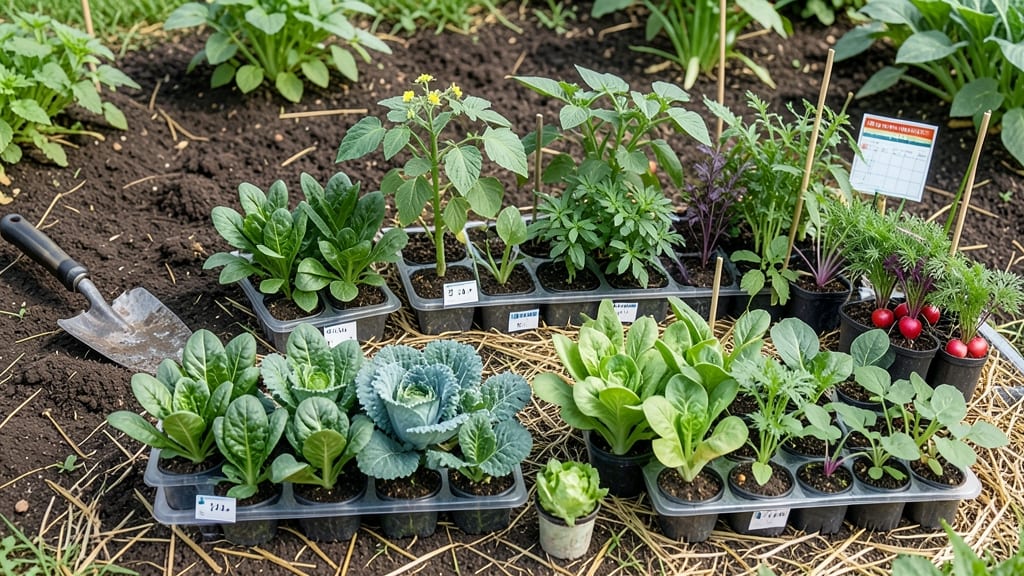
Planting a vegetable garden in New Brunswick means timing your crops to avoid late frosts that can ruin your harvests—and the last frost typically arrives around mid-May.
New Brunswick’s unpredictable climate can make timing your vegetable garden tricky—but planting at the wrong time means wasted seeds and stunted harvests. Whether you're growing heat-loving tomatoes or cold-hardy kale, knowing your frost dates is the key to a successful garden.
In this guide, I’ll break down the best planting windows for your region, from Zone 5b frost dates to microclimate adjustments for coastal vs. inland areas. You’ll also learn how to extend your growing season with simple tricks like row covers and cold frames.
By the end, you’ll have a clear schedule for starting seeds indoors, direct sowing, and transplanting—so you can enjoy fresh tomatoes, lettuce, and potatoes all season long.
New Brunswick frost dates by region: critical planting windows explained
New Brunswick’s last frost dates vary dramatically between regions, making precise timing essential for a successful vegetable garden. In Zone 4b-5a, coastal areas like Saint John often see frost-free conditions 1-2 weeks earlier than inland Fredericton. These differences can mean the difference between thriving tomatoes and frozen seedlings.
For most of the province, the average last frost date falls between May 10-20, but microclimates—like sheltered valleys or urban heat islands—can shift this window by 10 days or more.
Rural areas in the Saint John River Valley tend to have later frosts due to cold air pooling, while coastal Moncton benefits from moderating ocean breezes.
Understanding these regional variations helps you align your planting schedule with heat-loving crops like peppers and eggplants, which need consistent warmth to thrive. Even a single late frost can devastate young plants, so timing is everything.
Here’s a regional breakdown of last frost dates to help you plan:
| Region | Last Frost Date (Avg) | First Frost Date (Avg) | Frost-Free Days | Microclimate Notes |
|---|---|---|---|---|
| Fredericton (Inland) | May 15-25 | October 5-15 | 160-170 | Cold air sinks in valleys; later frosts likely. |
| Moncton (Coastal) | May 5-15 | October 10-20 | 170-180 | Ocean breezes delay frosts; earlier planting possible. |
| Saint John (Coastal) | May 10-20 | October 8-18 | 165-175 | Moderate climate; slightly longer season than inland. |
| Rural Areas (e.g., Miramichi) | May 20-30 | September 25-October 5 | 140-150 | Shorter season; prioritize fast-maturing varieties. |
To refine your planting schedule, use frost-free date calculators like the Canadian Hardiness Zone Finder or local weather stations. These tools account for year-to-year variability and help you adjust for early or late frosts.
For example, if you’re growing tomatoes, wait until June 1 in Fredericton to ensure no late frosts will damage tender seedlings.
For cool-season crops like spinach or peas, you can plant as early as late April, even before the last frost. These hardy vegetables tolerate light frosts and often produce better in cooler weather.
Meanwhile, warm-season crops like cucumbers and beans need to wait until after May 25 in most regions.
Don’t overlook fall planting—New Brunswick’s growing season extends into October in many areas. Crops like kale, radishes, and turnips thrive when sown in late July or August, giving you a second harvest before the first frost.
Use row covers to push these dates even later if needed.
Pro tip: Keep a gardening journal to track your local frost dates over the years. Note when unexpected late frosts occur, as these can disrupt even the most carefully planned schedule. Over time, you’ll develop a customized planting calendar tailored to your specific microclimate.
By mastering these regional frost dates and adjusting for local conditions, you’ll avoid common pitfalls like wasted seeds or stunted growth. Whether you’re a beginner or a seasoned gardener, precision planting is the key to a bountiful harvest in New Brunswick’s unique climate.
Vegetable planting schedule by type: warm-season vs. cool-season crops
Timing your vegetable garden in New Brunswick means balancing the province’s short growing season (just 165 frost-free days) with the needs of warm-season and cool-season crops.
Warm-lovers like tomatoes and peppers need heat, while lettuce and broccoli thrive in cooler temps. Get it wrong, and you’ll watch seedlings freeze or bolt in the heat.
My strategy? Plant cool-season crops early (as soon as soil thaws) and late (August-September), while reserving warm-season crops for after the last frost date (mid-May in most regions). Succession planting—sowing seeds every 2-3 weeks—keeps harvests coming all season long.
| Crop Type | Planting Window | Succession Planting | Notes for NB |
|---|---|---|---|
| Cool-Season | Early April–May & August–September | Every 2–3 weeks until July | Use row covers for spring starts |
| Lettuce | April–May & August–September | Every 2 weeks | Bolt-resistant varieties for summer |
| Broccoli | April–May & July–August | Every 3 weeks | Transplant seedlings after frost |
| Warm-Season | After last frost (mid-May) | None (direct sow) | Start indoors in April |
| Tomatoes | Mid-May–June (after frost) | N/A | Use black plastic mulch for warmth |
| Peppers | Late May–June | N/A | Slow to germinate—keep soil warm |
For cool-season crops, I start lettuce and spinach in early April under row covers to protect from late frosts.
By late August, I replant these heat-sensitive greens for a fall harvest before the first frost hits in mid-October. Broccoli and kale can handle light frosts, so I plant them in July for a late-season bounty.
Warm-season crops like tomatoes and peppers demand patience. I kick off seedlings indoors in early April, then transplant them after the last frost (mid-May). Black plastic mulch warms the soil faster, giving these heat-lovers a head start.
For succession planting, I focus on bush beans and zucchini, sowing seeds every 2 weeks until July.
Pro tip: Use New Brunswick’s frost-free date calculators (like the Agriculture NB tool) to fine-tune your schedule. Coastal areas like Saint John have later frosts than inland Fredericton, so adjust planting dates accordingly. With this schedule, I’ve doubled my harvests by avoiding wasted seeds and stunted growth.
Remember, succession planting is your secret weapon. By staggering lettuce every 2 weeks and radishes every 3 weeks, you’ll enjoy fresh produce from June to October—no gaps, no regrets. Happy planting! 🌱