
Planting
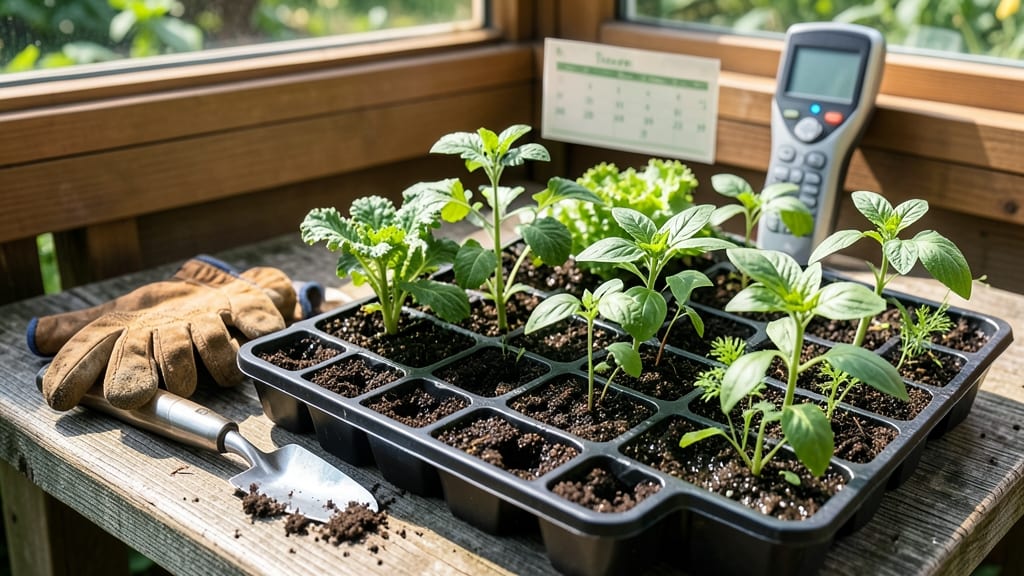
To plant a garden in your zone at the right time means the difference between a lush harvest and a season of disappointment—getting the timing down is easier than you think.
Picture this: You’ve prepped the soil, chosen your seeds, and even marked your calendar—only to watch your seedlings wilt under a surprise frost or bolt into flower before producing a single tomato. Timing isn’t just about the calendar; it’s about understanding your local microclimate, the last frost date, and which plants thrive when.
Whether you’re in USDA Zone 6a or a warmer coastal region, the key is aligning your planting with the natural rhythm of your garden. Cool-season crops like spinach and broccoli have a different window than heat-lovers like tomatoes and peppers, and missing that window can mean lost yields.
In this guide, I’ll break down the exact dates for planting in your zone, how to adjust for unusual weather, and the three biggest mistakes that turn hopeful gardeners into frustrated ones. Let’s get your 🌱 General Garden off to the best possible start.
USDA planting Zones and exact dates for cool-season vegetables
Cool-season vegetables like lettuce, broccoli, carrots, and spinach thrive in temperatures between 40°F and 75°F. Planting them at the right time—typically 4-6 weeks before your last frost date—ensures a bountiful harvest before summer heat sets in.
The USDA Plant Hardiness Zone Map helps determine when to plant, but regional microclimates (like coastal areas) can shift these windows by 2-4 weeks.
For example, gardeners in Zone 3 (like Minnesota) may start seeds indoors in March, while those in Zone 10 (like Southern California) can plant directly in the garden as early as September.
Always check your average last frost date—a quick online search for your ZIP code will reveal the exact timeline for your area.
Below is a zone-by-zone planting schedule for cool-season crops, including adjustments for coastal vs. inland regions. Use this as your guide to time your plantings perfectly and avoid bolting (premature flowering) or frost damage.
For spinach, which is even more frost-tolerant, you can push these windows slightly earlier—sometimes as early as 2-3 weeks before your last frost date.
In Zone 5, that might mean planting spinach seeds in late February, while in Zone 9, a fall planting in late August works perfectly for a winter harvest.
Always monitor soil temperatures—cool-season crops prefer soil between 40°F and 70°F. If your soil is colder, wait a few weeks or use row covers to protect young seedlings.
In coastal areas, where temperatures fluctuate less, you can often plant 2-4 weeks earlier than inland zones due to milder nights and slower warming.
Pro tip: Succession planting every 2-3 weeks ensures a continuous harvest. For example, in Zone 6, plant a new batch of lettuce every 2 weeks from March to May to avoid a glut of mature leaves all at once.
This method also works for spinach and carrots, extending your harvest window by 6-8 weeks.
If you’re in a warmer zone (8-10), focus on fall planting to escape summer heat. For instance, in Zone 9, plant broccoli in September for a harvest before winter rains arrive. Use shade cloth during peak summer to protect seedlings from overheating.
Remember: Frost dates aren’t set in stone. Check your local Almanac’s frost calendar or use a frost date calculator for precise timing. And if you’re unsure, start with slow-growing varieties like ‘Winter Density’ lettuce or ‘Blue Lake’ broccoli, which give you more flexibility for timing.
With this schedule, you’ll avoid the common mistakes of planting too early (risking frost damage) or too
Warm-season planting schedule: tomatoes, peppers, and corn by Zone
Getting your tomatoes, peppers, and corn in the ground at the right time is everything—these heat-lovers wilt if planted too early. Unlike cool-season crops, they need warm soil (60°F+) and consistent heat to thrive.
Miss the window, and you’ll end up with stunted plants or no harvest at all. I’ve planted these crops for years and learned the hard way: timing matters more than soil prep or fertilizer!
Your USDA zone and local frost dates dictate when to start seeds indoors or transplant seedlings. In Zone 5-6, I wait until mid-May after the last frost, while gardeners in Zones 8-10 can plant as early as March.
But soil temperature is the real game-changer—even if daytime temps are warm, cold soil will shock young plants. Use a soil thermometer to confirm 60°F+ before planting.
- Start tomato and pepper seeds 6-8 weeks before last frost (indoors with grow lights).
- Transplant seedlings 2-3 weeks after last frost when soil hits 60°F+.
- Direct-sow corn 1-2 weeks after last frost (needs 70°F+ soil for best germination).
- Use row covers in Zones 3-5 to extend the season by 2-4 weeks.
- Plant peppers last—they’re the most heat-sensitive of the trio and need 75°F+ soil.
If you’re in a cooler zone (3-5), don’t despair—you can still grow these crops! I’ve used black plastic mulch and row covers to warm the soil faster and protect young plants from late frosts.
For example, in Zone 4, I plant tomatoes under a hoop house by early May, then remove the cover once temps stay above 55°F at night. This buys me an extra 4-6 weeks of growing time.
For corn, timing is critical because it needs consistent warmth to pollinate. Plant in blocks (not rows) to ensure good cross-pollination, and stagger plantings every 2 weeks for a continuous harvest.
In Zones 7-10, you can even plant a fall crop of short-season varieties like ‘Early Sunglow’ in August for a harvest before frost.
One mistake I see often? Planting tomatoes too early because the weather looks warm. But cold soil delays germination and weakens roots. Always check soil temp with a thermometer—it’s the best predictor of success.
And if your area has unpredictable springs, opt for heat-tolerant varieties like ‘Heatmaster’ tomatoes or ‘Carolina Wonder’ peppers, which handle 90°F+ better than standard types.
Finally, remember that succession planting is your friend. After your first tomato harvest, replace those plants with new seedlings every 2-3 weeks to keep the harvest going. The same goes for bush beans or peppers4-6 weeks without extra space.
With the right timing, you’ll enjoy homegrown tomatoes until October, no matter your zone!