
Planting
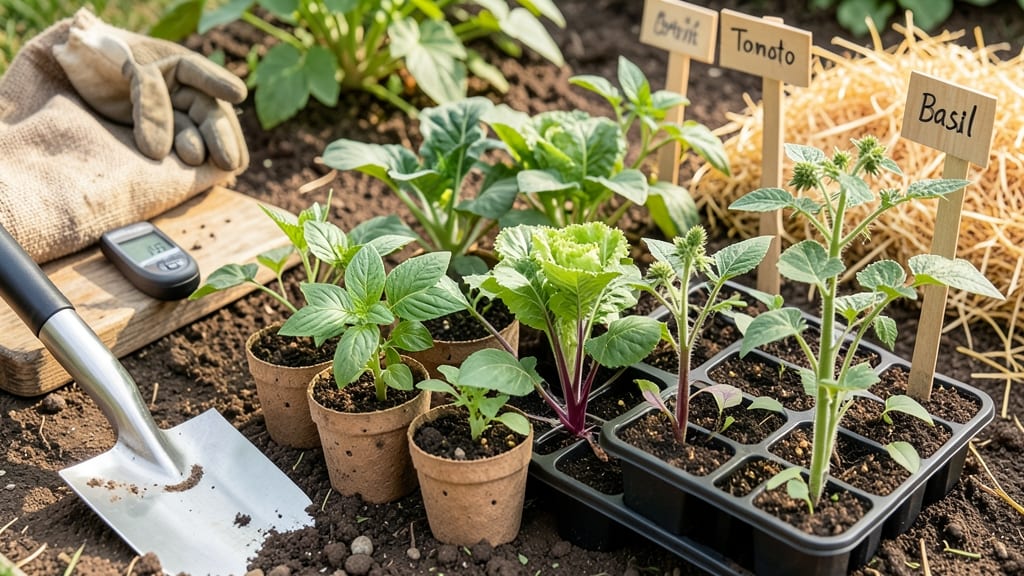
Planting a vegetable garden in Mississippi at the right time means the difference between a bountiful harvest and a sad pile of frost-killed seedlings.
Mississippi’s warm climate and long growing season make it a gardener’s paradise—but timing is everything. Plant too early, and frost will wipe out your crops; too late, and you’ll miss peak harvests. Here’s your science-backed guide to planting vegetables in Mississippi’s unique frost zones for maximum success.
In USDA Zones 8a to 9a, cool-season crops like lettuce, broccoli, and spinach thrive when planted between late February and mid-April, while warm-season favorites such as tomatoes and peppers need to go in the ground after the last frost—typically by March 15 in North MS and as early as February 15 in South MS.
Below, I’ll break down the exact frost-date timeline by region, share pro tips for extending your season, and help you avoid common mistakes that even experienced gardeners make. Let’s get growing!
Mississippi’s frost dates by region: your planting timeline for cool-season vegetables
Mississippi’s five distinct frost zones create unique planting windows for cool-season vegetables like lettuce, broccoli, and spinach. Getting these dates right means the difference between a thriving garden and frost-bitten disappointment.
Each region—from the North to the Coastal—has its own last spring frost and first fall frost timelines. Let’s break it down so you can plant with confidence.
Cool-season crops thrive in Mississippi’s spring and fall, but timing is critical. Plant too early, and a late frost will kill tender seedlings. Too late, and your harvest arrives just as temperatures rise.
The key is aligning your planting with your region’s average frost dates, while also accounting for microclimates in your specific garden spot.
Here’s your region-by-region guide to planting cool-season vegetables, including broccoli, cabbage, spinach, peas, and lettuce. Use these dates as your starting point, then adjust based on your garden’s exposure and local weather patterns.
For North Mississippi, where frosts linger until mid-March, start planting cool-season crops like spinach and peas after March 15. If you’re eager to get a head start, use row covers to protect seedlings from late frosts.
In Central Mississippi, you can plant as early as March 1, giving you a slightly longer growing season for crops like broccoli and cabbage.
In South Mississippi and the Delta, where winters are milder, you can push your planting even earlier. Lettuce and spinach can go into the ground as early as February 15 in South MS, while the Delta’s slightly later frost dates allow for a longer fall harvest.
The Coastal region is the most forgiving, with frost-free windows stretching into late fall and even winter for some cold-hardy crops.
When planting cool-season vegetables, always aim to harvest before the first signs of heat stress. For example, lettuce bolts (goes to seed) when temperatures exceed 75°F. In North MS, this means your fall lettuce should be in the ground by August 15 and harvested by October.
In South MS, you’ve got until September 15 for a fall crop.
Pro tip: Use succession planting to extend your harvest. For instance, sow spinach every 2 weeks from March to May in North MS. This ensures a steady supply of fresh greens without overwhelming your garden at once.
Similarly, in the fall, stagger plantings of peas and broccoli to enjoy a prolonged harvest before the first frost.
Don’t forget to monitor your local weather forecasts and adjust your planting dates accordingly. A late frost in April can delay your spring planting, while an early cold snap in October might push your fall harvest up by a few weeks. Flexibility is key to Mississippi gardening success.
For extra protection, consider using cold frames or low tunnels to extend your growing season. These simple structures can add 10-14°F of protection, allowing you to plant earlier in spring or later in fall. Just be sure to remove them during hot days to avoid overheating your plants.
With these frost dates and planting windows
Warm-season vegetables in Mississippi: when to plant tomatoes, peppers, and corn for bountiful harvests
Mississippi’s summer heat and long growing season create perfect conditions for warm-season vegetables like tomatoes, peppers, and corn. But timing is critical—plant too early, and late frosts can damage tender seedlings.
Too late, and you’ll miss peak harvests. Here’s my science-backed planting guide tailored to Mississippi’s USDA Zones 8a-9a and humid climate.
For tomatoes and peppers, wait until soil temperatures reach at least 60°F—typically mid-April in North MS and early April in South MS. These heat-loving crops thrive in full sun (6+ hours daily) and well-draining soil with a pH of 6.0-6.8.
Corn, meanwhile, prefers warmer soils (65°F+) and should go in after the last frost, usually late April to early May.
🌱 Key Tip: Mississippi’s humidity demands spaced planting to prevent fungal diseases. Use mulch (straw or black plastic) to retain moisture and suppress weeds.
Transplanting is key for tomatoes and peppers. Start seeds indoors 6-8 weeks before the last frost, then harden off seedlings for 7-10 days before moving them outside. For corn, direct sow seeds 1 inch deep and 12 inches apart in rows 30 inches apart to ensure cross-pollination. In Mississippi’s heat, drip irrigation is a game-changer—it delivers water directly to roots while keeping foliage dry to prevent fungal diseases like early blight.
To extend harvests, use succession planting. For tomatoes and peppers, sow new seeds every 2-3 weeks until mid-July. For corn, plant two varieties with different maturity dates (e.g., early, mid, and late-season types) to stagger harvests.
In South Mississippi (Zone 9a), you can even plant a fall crop of peppers in August for a winter harvest—just protect them with row covers if frost threatens.
Mississippi’s humidity and summer heat can stress plants, so monitor soil moisture daily during peak heat. Mulch heavily with straw or wood chips to retain moisture and reduce weeds. And don’t forget: prune tomatoes regularly to improve airflow and fertilize peppers with a balanced 10-10-10 when flowers appear.
With these tips, you’ll enjoy homegrown tomatoes, peppers, and corn from June through October—or even later! 🌿