I grew up in a house where the back porch was always overflowing with potted herbs, tomato plants, and my grandma’s famous sunflowers. She taught me that gardening isn’t just about growing things—it’s about patience, curiosity, and the quiet joy of watching something thrive. Now, I run this site to share the lessons I’ve learned, from my first failed attempt at sprouting basil to the triumph of harvesting my first zucchini. Whether you’re a seasoned green thumb or just starting with a windowsill herb garden, I’m here to make the process a little easier—and a lot more rewarding.
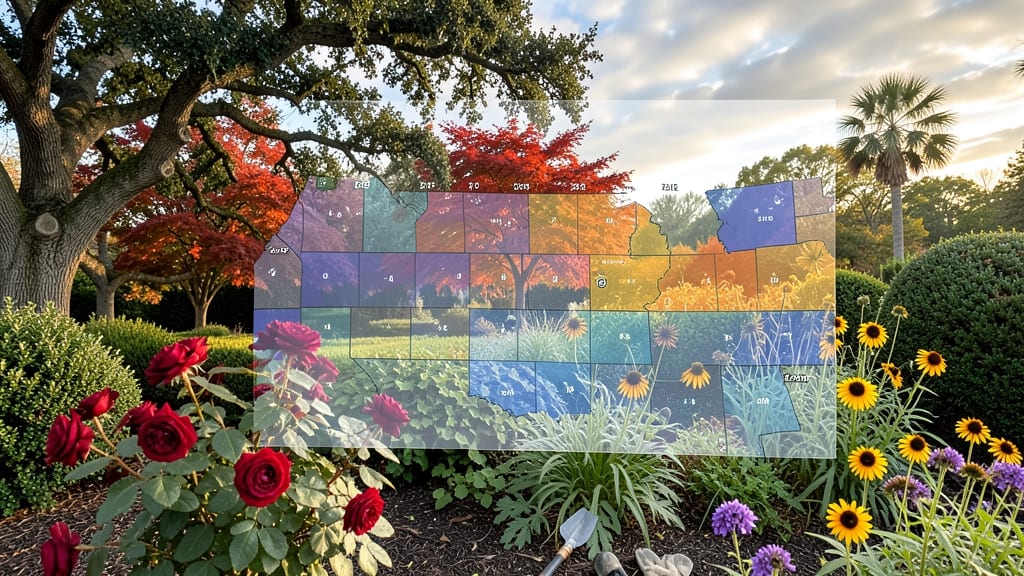
💥 Quick Answer American garden zones determine which plants thrive in your area by classifying regions based on average minimum winter temperatures, helping you select the right species for successful planting and…
💥 Quick Answer The American Horticultural Society reciprocal garden network lets plant lovers trade rare seeds, cuttings, and plants for free, building stronger gardening communities and preserving plant diversity…
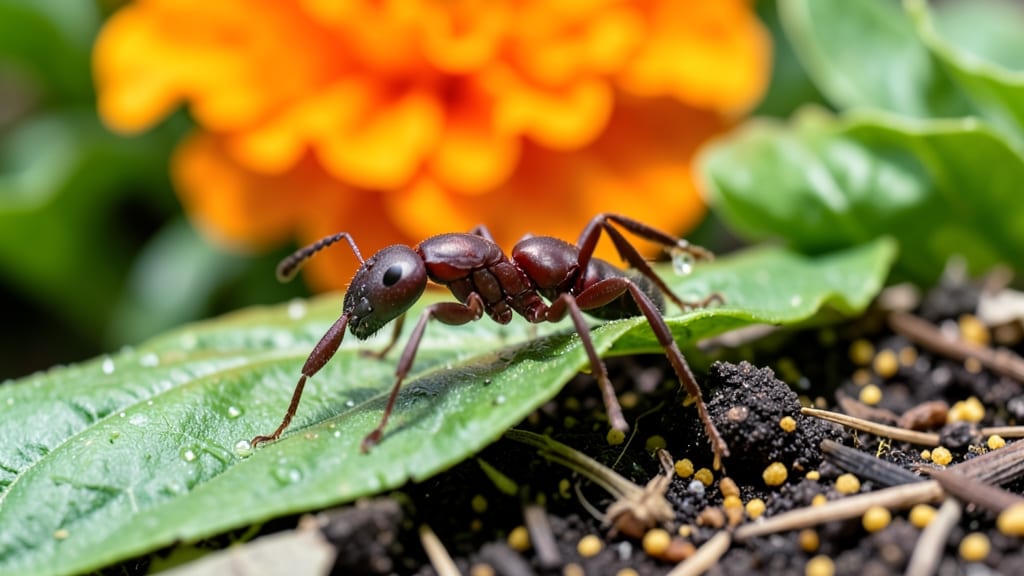
💥 Quick Answer Managing ants in raised garden beds requires sealing entry points with diatomaceous earth or copper tape, creating physical barriers like cardboard, and using organic deterrents such as nematodes or…
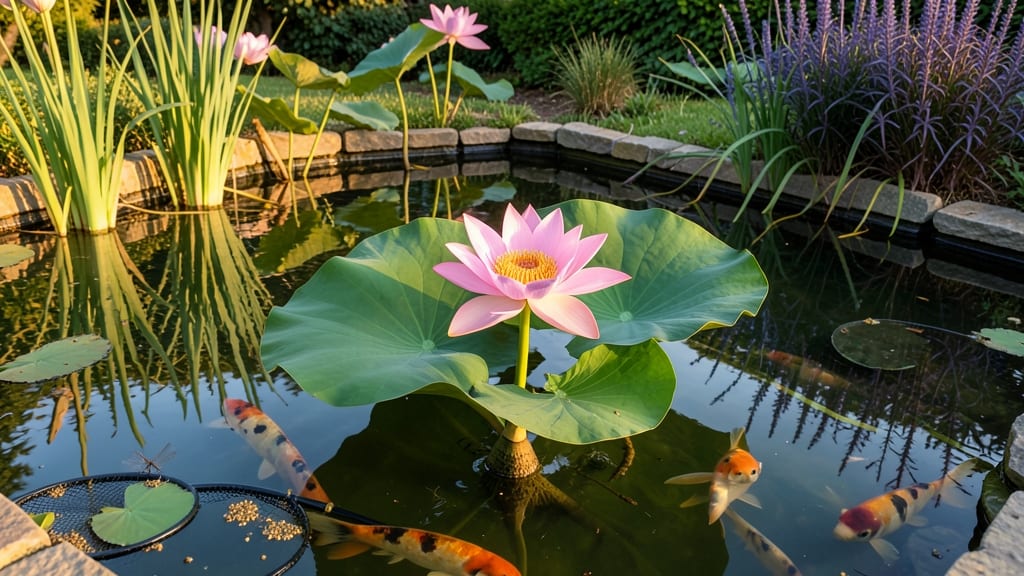
💥 Quick Answer Finding aquatic gardens near you reveals tranquil spaces featuring vibrant aquatic plants and elegant water features, perfect for nature lovers and photographers. Seek out botanical conservatories, public…
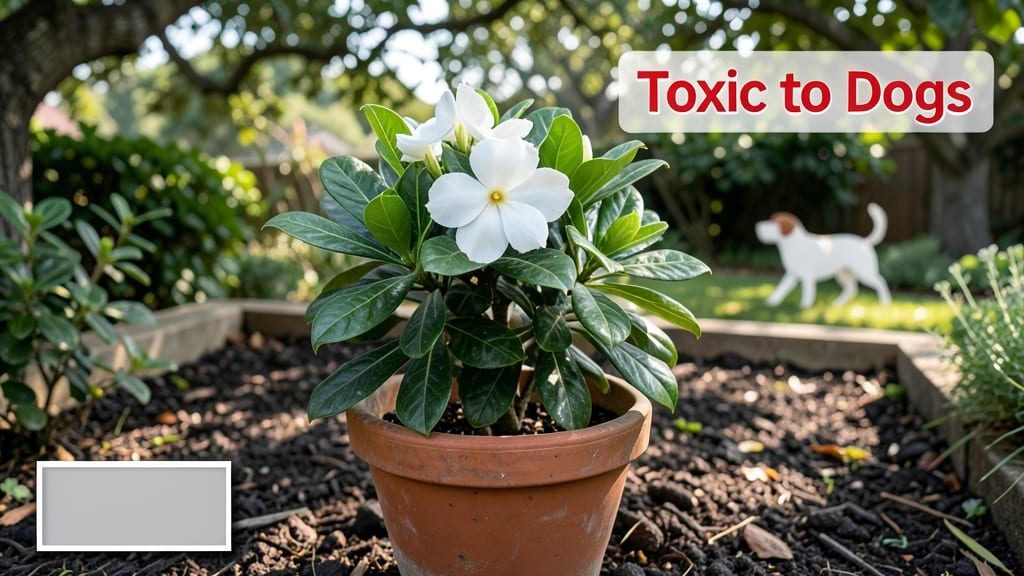
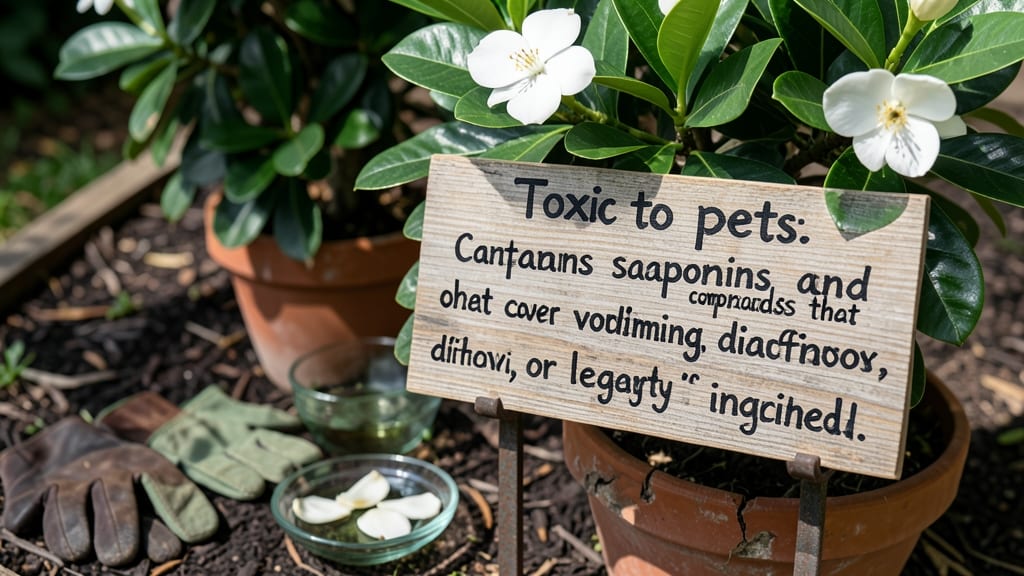
💥 Quick Answer Gardenias are poisonous to dogs because they contain harmful compounds like saponins and glycosides, which can trigger vomiting, diarrhea, and lethargy if chewed or ingested. Even small amounts from…
💥 Quick Answer Gardenias are indeed poisonous to humans and pets, as their leaves, flowers, and stems contain harmful saponins and glycosides that can trigger nausea, vomiting, and skin irritation upon ingestion or…
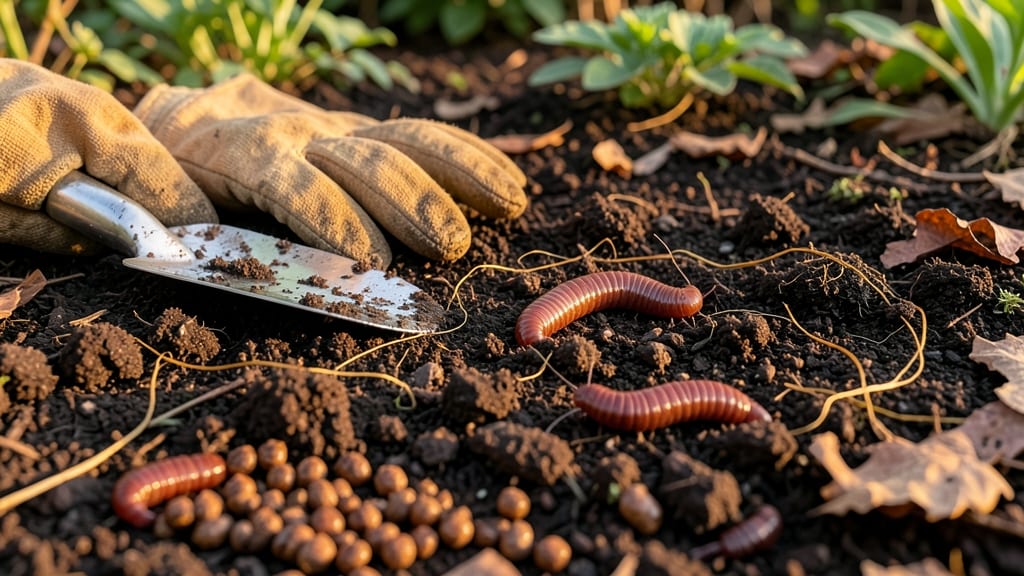
💥 Quick Answer Night crawlers are good for gardens because they aerate soil, break down organic matter, and enrich it with nutrient-rich castings while improving drainage and water retention for healthier plant growth…
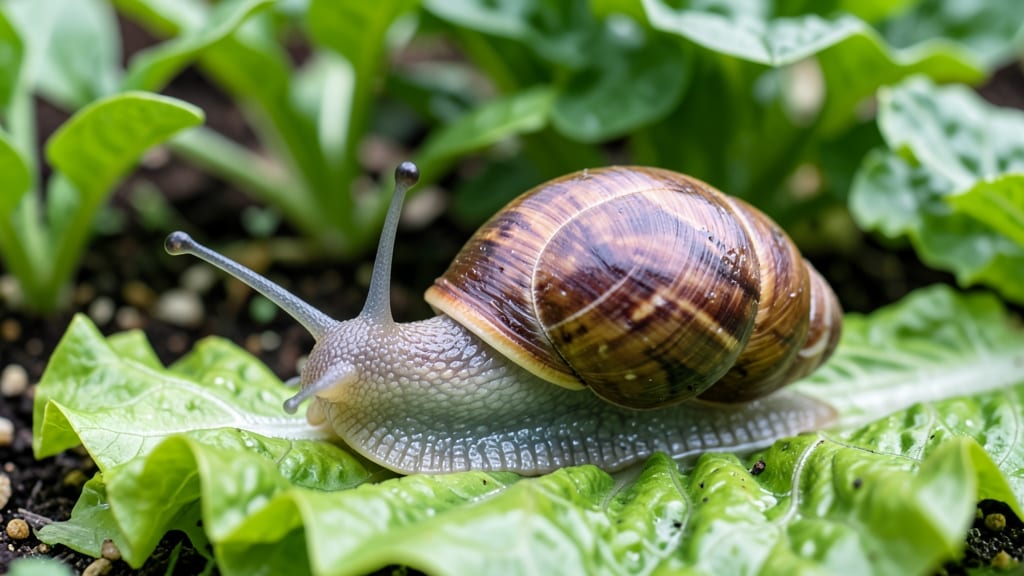
💥 Quick Answer Snails are beneficial to gardens by acting as natural decomposers that break down organic matter and enrich soil with nutrients, though they can also damage young plants and vegetables by eating leaves…
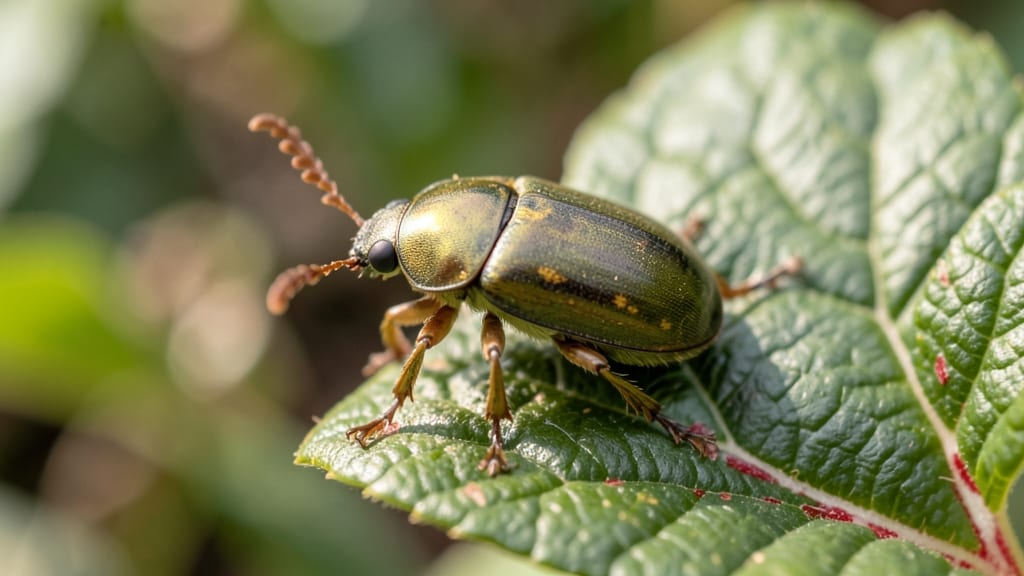
Controlling the Asiatic garden beetle 🐞 before it devastates your garden starts with knowing its life cycle—and the good news is, you can stop it naturally. If you’ve noticed ragged leaves on your prized garden plants…
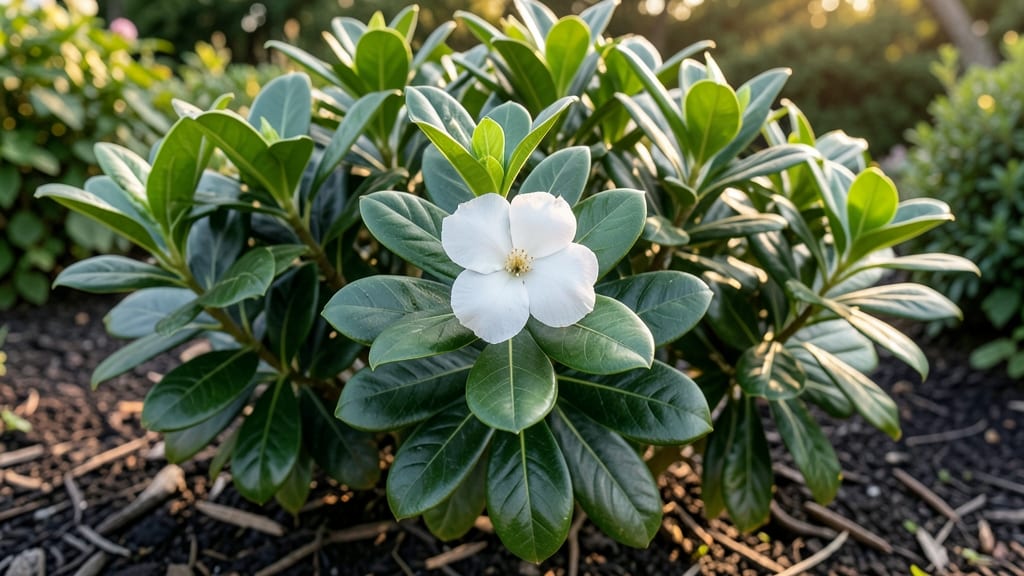
The August Beauty Gardenia features a steady growth rate of 6-12 inches per year in ideal conditions, but its speed depends on your climate, soil, and care routine. Picture this: You plant a bare-root sapling in spring…