
Plants
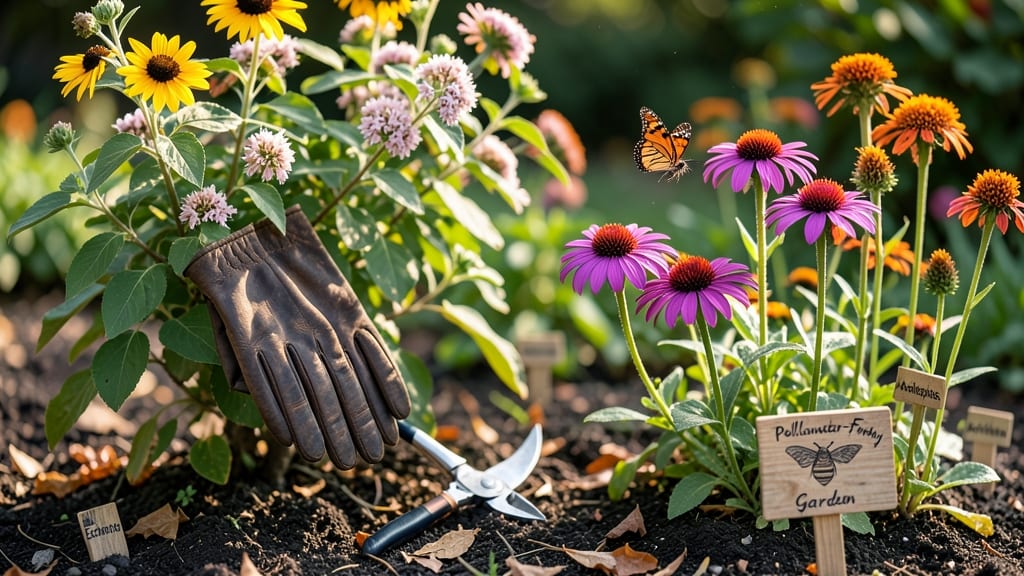
The American Horticultural Society reciprocal garden network lets plant lovers trade rare seeds, cuttings, and plants for free, building stronger gardening communities and preserving plant diversity across the U.S.
This program turns gardening into a true community effort by connecting growers nationwide. 🌱 Whether you're hunting for heirloom tomatoes or rare succulents, the network's digital platform makes it easy to list what you have and request what you need—all while supporting conservation.
I've seen gardeners trade everything from unusual orchids to drought-resistant perennials, creating a win-win for both collectors and conservationists.
What makes it special is how it combines online listings with local meetups and seed swaps. You can join regional hubs or participate in virtual exchanges, making it accessible whether you're in a bustling city or rural countryside.
The AHS even provides guidelines to ensure ethical sharing, protecting endangered species while keeping the focus on sustainable gardening practices.
💡 In This Article
- How the AHS Reciprocal Garden Network Facilitates Plant Sharing
- Key Benefits of Joining the AHS Plant Exchange Network
How the AHS reciprocal garden network facilitates plant sharing
The American Horticultural Society (AHS) reciprocal garden network operates through a hybrid system combining digital listings and local coordination. Members create accounts on the AHS website to list plants they're willing to share, specifying details like botanical names, growth stages, and quantities.
The platform uses a points-based system where each plant exchange earns members credits—typically 10 points per seed packet or 25 points per cutting—which can be redeemed for other plants. This creates a balanced ecosystem where everyone contributes and benefits equally.
The network's digital platform includes searchable databases with filters for plant types, hardiness zones, and rarity levels. For example, a gardener in Zone 7 searching for drought-resistant succulents can find listings from members across the country who've successfully grown those species.
Physical coordination happens through regional hubs and organized events like seed swaps, where members meet to exchange plants in person. The AHS provides guidelines to prevent the spread of pests or diseases, requiring members to clean tools between exchanges and avoid sharing infected plants.
What makes this system particularly effective is its emphasis on sustainability. The AHS encourages members to share plants that are overproducing or not thriving in their local climate, ensuring nothing goes to waste.
For instance, a tomato grower in Florida might share extra heirloom seeds with a gardener in Maine who's struggling to find varieties suited to cooler climates.
This geographic exchange helps plants adapt to new environments while reducing the need for commercial purchases, which often involve plastic packaging and long shipping distances.
The network also includes verification processes to maintain trust. Members earn reputation points based on successful exchanges and positive feedback from other gardeners. New participants start with limited listing privileges until they've completed at least 3 verified exchanges.
This system prevents fraud and ensures that rare or endangered species are shared responsibly. The AHS even provides educational resources about plant conservation, teaching members how to identify and protect native species during exchanges.
For those who prefer in-person interactions, the network organizes regional meetups and virtual webinars. These events often focus on specific plant families, like orchids or native perennials, allowing experts to share growing tips while facilitating trades.
For example, the Pacific Northwest chapter might host a 2-hour workshop on propagating rhododendrons, where attendees leave with both knowledge and cuttings. This combination of digital and physical engagement makes the network accessible to urban gardeners with small balconies and rural homesteaders with acres of land.
One standout feature is the "Plant of the Month" program, where members highlight a specific species they're sharing. This creates seasonal excitement and encourages gardeners to experiment with new varieties. The AHS also tracks which plants are most frequently exchanged, helping identify trends in gardening interests.
For example, native milkweed seeds saw a 400% increase in requests after the network promoted their role in supporting monarch butterflies, demonstrating how the community can drive conservation efforts.