
Picking
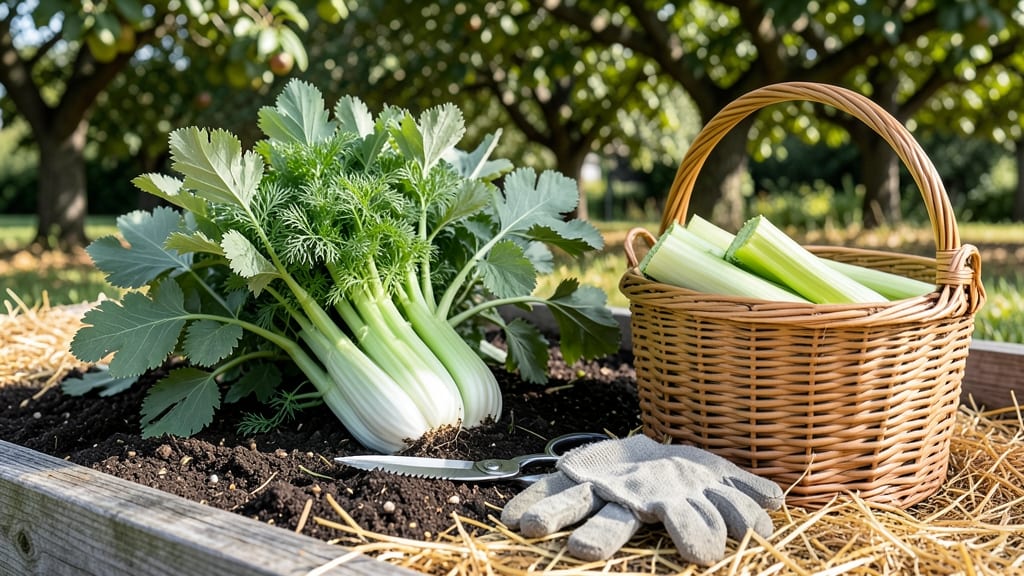
Harvesting garden celery at the right time ensures crisp, flavorful stalks 🥬—wait too long, and you risk tough, bitter disappointment.
Picture this: you’ve nurtured your celery for months, only to pull stalks that snap like dry twigs instead of offering that satisfying crunch. The difference between a perfect harvest and a frustrating one often comes down to timing—and knowing what to look for.
In USDA Zone 6a, celery typically matures between 70 and 100 days after planting, usually landing in late summer to early fall. But don’t rely on the calendar alone—focus on visual cues like stalk thickness, leaf color, and firmness to lock in the best flavor and texture.
Below, I’ll walk you through five foolproof signs your celery is ready, plus how to harvest without sacrificing future growth. No more guesswork—just crisp, homegrown perfection.
5 Key signs your garden celery is ready for harvest
Celery thrives when harvested at the perfect moment—too early and you’ll miss out on flavor, too late and the stalks turn woody. I’ve learned the hard way that visual and tactile cues are the best indicators, not just days after planting.
Paying attention to these 5 key signs ensures you enjoy crisp, flavorful celery straight from your garden.
First, let’s talk about stalk thickness, the most obvious clue. Mature celery stalks should feel substantial when you gently squeeze them. If they’re thin and spindly, they need more time.
Aim for stalks that are at least 1/2 to 3/4 inch thick—this is your sweet spot for both yield and taste.
Now, here’s where it gets interesting: the leaf color tells a story too. Healthy celery leaves should be a vibrant, deep green. If you notice yellowing or browning, it’s a red flag—either overwatering or nutrient deficiency might be at play.
But when those leaves are lush and glossy, you’re on the right track.
Don’t overlook the root size either. A well-developed root system means the plant has established itself and is ready to share its bounty. Gently dig around the base—if the roots are thick and white, your celery is primed for harvest. Thin, sparse roots signal it’s not quite ready.
Ready to put this into action? Here’s what to look for in your garden:
- 📏 Stalk Height: Stalks should reach 6-12 inches tall—this is the ideal range for harvest.
- 🍃 Leaf Vibrancy: Dark green, glossy leaves indicate maturity and peak flavor.
- 🤲 Stalk Thickness: Aim for 1/2 to 3/4 inch thick stalks—thicker than a pencil but not too bulky.
- 🌱 Root Development: Well-established roots mean the plant is energy-rich and ready for harvest.
- 💧 Crisp Texture: Squeeze a stalk—if it snaps cleanly, it’s perfect; if it bends, it’s overripe.
One of my favorite tricks is harvesting in the morning when the stalks are at their crispest. This isn’t just about flavor—it’s also about preserving freshness. The cooler temperatures overnight help lock in moisture, so you’ll get the best texture right after cutting.
But what if your celery is still small after 85 days? Don’t panic—it might just need a nutrient boost. A light application of balanced fertilizer (10-10-10) can encourage faster growth, but avoid overdoing it. Too much nitrogen can lead to leafy growth at the expense of thick stalks.
Finally, keep an eye out for pest damage or disease. Chewed leaves or brown spots can ruin your harvest, so address these issues early. Healthy celery should look unblemished and robust, not stressed or struggling.
When you see all five signs—height, leaf color, thickness, root size, and crisp texture—it’s time to grab your sharp knife and harvest. Trust me, your taste buds will thank you for the perfect celery!
When to harvest celery for best flavor vs. storage longevity
Deciding when to harvest your garden celery depends on whether you prioritize peak flavor or long-term storage. Younger stalks—around 6-8 inches tall—offer the sweetest, crispest flavor, perfect for fresh eating. However, larger stalks (10+ inches) store better but may develop woody, bitter notes if left too long.
For home gardeners, balancing these factors means understanding your goals: fresh use favors early harvests, while bulk storage requires patience. Let’s break down the trade-offs to help you make the best choice for your harvest.
Harvesting for Flavor vs. Storage
For Best Flavor
- Stalks: 6-8 inches tall
- Texture: Crisp and tender
- Taste: Sweet, mild
- Storage: 3-5 days (fridge)
For Storage Longevity
- Stalks: 10-12 inches tall
- Texture: Firmer, slightly woody
- Taste: Earthier, robust
- Storage: 2-3 weeks (cool, dark)
Note: Over-mature celery (14+ inches) loses crispness and flavor, making it ideal for cooking but poor for fresh use.
If you’re harvesting for fresh salads or raw snacks, aim for younger stalks (6-8 inches). These are packed with natural sugars and minimal fiber, delivering that signature crunchy, mild taste. I’ve found that cutting them at this stage ensures the best texture for dipping or slicing.
For long-term storage, wait until stalks reach 10-12 inches. At this size, the outer stalks thicken, and the plant’s energy shifts toward root development, which helps preserve freshness. Store them in a cool, dark place (like a root cellar) with the roots intact to extend shelf life.
One critical mistake I’ve seen gardeners make is waiting too long. Celery left in the ground beyond 100 days becomes fibrous and bitter, ruining both flavor and storage potential. Always monitor your plants weekly for ready signs like dark green leaves and tightly packed stalks.
Pro tip: If you’re unsure, harvest a few stalks for testing. Cut one at 6 inches and another at 10 inches, then compare their taste and texture. This hands-on approach helps you gauge the perfect balance for your garden’s conditions.