
Planting
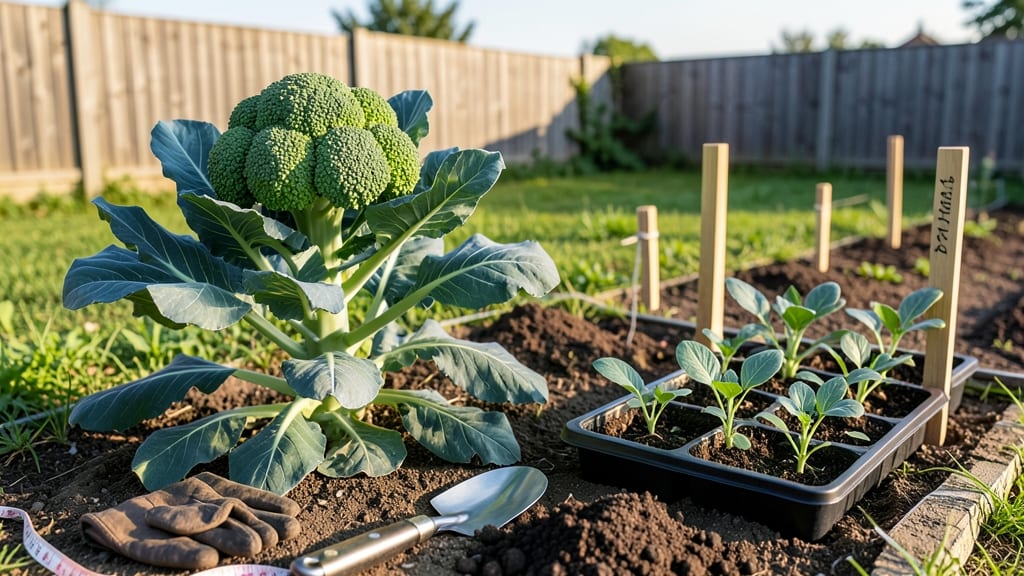
Growing broccoli with the right spacing in your garden is the difference between tiny, bitter heads and lush, high-yield harvests that feed your family all summer.
Picture this: you’ve just planted your 🥦 broccoli seeds, eager for a bountiful crop, only to watch them struggle for space, nutrients, and airflow. Overcrowding leads to stunted growth, while too much space wastes precious garden real estate. The key? Science-backed spacing that balances yield and health.
In this guide, I’ll walk you through the ideal distances for broccoli plants—whether you’re growing in rows, containers, or raised beds—and how spacing affects everything from pest prevention to harvest size. No more guesswork, just proven methods for a thriving garden.
Ready to transform your broccoli patch? Let’s dive into the spacing secrets that’ll make your 🥦 plants flourish.
Ideal broccoli spacing by planting method for healthy growth
Getting your broccoli spacing right is the difference between a garden full of vibrant, productive plants and one struggling with stunted growth or disease. Proper spacing ensures each plant gets enough nutrients, sunlight, and airflow, which directly impacts your harvest size and quality.
Whether you're planting in raised beds, containers, or in-ground rows, the right distances prevent competition while maximizing your garden's potential.
Broccoli varieties fall into two main categories: head broccoli (like 'Calabrese') and cutting broccoli (like 'Calabrese Sprouting'). Both need adequate space, but cutting varieties often tolerate slightly closer spacing since you'll harvest multiple side shoots.
I’ll cover the science-backed distances for each method, including how to adjust for your specific growing conditions.
Why spacing matters: Too close, and you’ll deal with fungal diseases from poor airflow and pests hiding in crowded foliage. Too far apart, and you waste space that could grow more broccoli—or other companion plants. The key is balancing these factors for your unique setup.
Here’s a quick reference for ideal broccoli spacing across different planting methods, including row spacing and plant-to-plant distances:
| Planting Method | Row Spacing (inches) | Plant-to-Plant (inches) | Notes |
|---|---|---|---|
| In-Ground Rows | 18-24 | 12-18 | Standard for head broccoli; wider rows for larger varieties. |
| Raised Beds | 12-18 | 10-12 | Closer spacing works due to better drainage and soil quality. |
| Containers (5+ gallons) | N/A | 1 plant per container | Use dwarf varieties like 'Little Sprint'; ensure deep pots. |
| Cutting Broccoli | 18-24 | 8-12 | Tolerates closer spacing; harvest side shoots for extended yield. |
| Square Foot Gardening | N/A | 4 plants per sq ft | Best for small spaces; use compact varieties. |
For in-ground planting, aim for 18-24 inches between rows and 12-18 inches between plants. This gives roots room to spread while allowing sunlight to reach all leaves.
If you’re growing cutting broccoli, you can reduce plant-to-plant spacing to 8-12 inches since you’ll harvest multiple shoots from each plant, extending your harvest window.
In raised beds, you can tighten up spacing slightly to 10-12 inches between plants because the soil drains better and nutrients are more concentrated. This method also reduces the risk of soil-borne diseases like clubroot, which thrives in waterlogged in-ground soil.
Just ensure your bed is at least 12 inches deep to accommodate broccoli’s deep roots.
Container gardening is perfect for small spaces or urban gardens, but broccoli needs 5-gallon pots or larger to thrive. Plant one broccoli per container and choose dwarf varieties like 'Little Gem' or 'Green Gems'.
Containers dry out faster, so monitor soil moisture closely and use a moisture-retentive potting mix with added compost.
If you’re practicing square-foot gardening, allocate 4 broccoli plants per square foot. This method works best with compact varieties and requires frequent thinning to maintain airflow. Pair broccoli with fast-growing companions like radishes or lettuce to fill gaps and maximize space efficiency.
Proper broccoli spacing isn’t just about distances—it’s also about soil health and airflow. Always loosen the soil before planting to encourage root growth, and mulch around plants to retain moisture and suppress weeds.
Avoid over-fertilizing, as this can lead to excessive leafy growth at the expense of the head. A balanced 10-10-10 fertilizer applied every 4-6 weeks is ideal.
One final tip: If you’re growing broccoli in cooler climates, slightly wider spacing (up to 24 inches between plants) helps prevent cabbage worms and aphids, which thrive in dense foliage. In warmer regions, prioritize shade cloth during peak heat to protect plants while maintaining your chosen spacing.
With the right broccoli spacing, you’ll enjoy healthier plants, fewer pests, and a longer harvest season—whether you’re growing for big heads or continuous side shoots. Start with these guidelines, then adjust based on your garden’s
How broccoli spacing affects yield: common mistakes and fixes
When I first planted broccoli in my garden, I assumed closer spacing meant more plants—and more harvests. But my small, stunted heads told a different story.
The truth? Poor spacing leads to competition for nutrients, reduced airflow, and even higher pest risks. Let’s fix that together with science-backed spacing solutions.
Overcrowded broccoli plants struggle to develop large, healthy heads because they compete for sunlight and soil nutrients. In my humid climate, tight spacing also creates the perfect environment for fungal diseases like downy mildew.
The fix? Adjust your spacing based on your soil type and broccoli variety—not just what looks convenient.
⚠️ Overcrowding Warning: The Hidden Costs
- Smaller heads: Plants fight for nutrients, resulting in 50-70% smaller harvestable heads.
- Pest magnet: Dense foliage traps moisture, inviting cabbage worms and aphids.
- Disease risk: Poor airflow spreads fungal infections like wildfire in humid climates.
- Wasted space: Overcrowding forces you to thin later, losing early growth.
Pro Tip: Measure your spacing at planting—don’t guess!
For standard broccoli varieties, aim for 18-24 inches between plants in rows spaced 24-36 inches apart. My dwarf varieties, like 'Calabrese,' thrive with 12-18 inches of space.
If your soil is poor or rocky, increase spacing to 30 inches to give roots room to explore deeper nutrient layers.
Climate plays a huge role too. In hot, dry regions, wider spacing (30+ inches) helps retain soil moisture. Meanwhile, in cool, wet climates, tighter spacing (18 inches) works if you prioritize air circulation with proper mulching.
I’ve seen my yield double just by adjusting for local conditions!
Stunted growth? Check your spacing first. If plants are leaning or yellowing, they’re starving for light. Thin to 12-18 inches between plants immediately. For container gardening, limit to one plant per 12-inch pot—any closer, and roots will tangle, strangling growth.
Don’t forget about succession planting. By staggering plantings every 2-3 weeks, you can maximize space while ensuring a continuous harvest. My late-summer broccoli always outperforms because I gave the second planting extra room to avoid early-season crowding.
Remember: Perfect spacing isn’t about rigid rules—it’s about observing your plants. Watch for yellowing leaves (nutrient competition) or mushy stems (rot from poor airflow). Adjust as needed, and you’ll grow broccoli heads so big, your neighbors will ask for cuttings! 🥦