
Tools
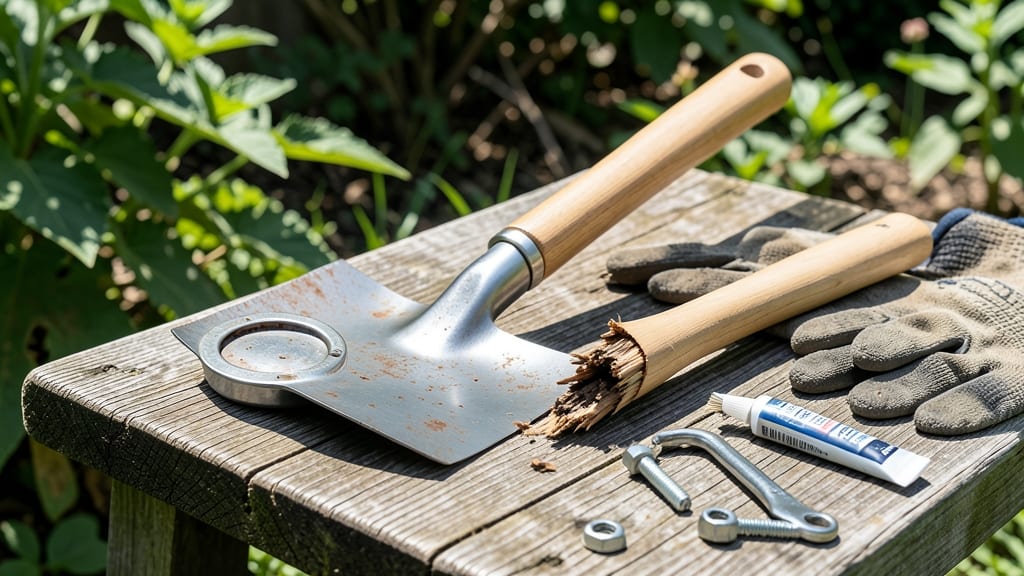
Step-by-step guide to replacing a garden hoe handle safely
A broken garden hoe handle can make even simple tasks like weeding feel impossible. The good news? Replacing it yourself is straightforward once you know the right steps.
Whether your handle is cracked, splintered, or just too short for comfort, this guide will walk you through the process safely and efficiently.
Before you begin, gather your tools and a new handle. You’ll need a hacksaw or reciprocating saw for cutting, a wrench or pliers for securing bolts, and sandpaper to smooth rough edges.
Always wear gloves and safety glasses—this isn’t just about the hoe, it’s about protecting yourself from sharp metal or wood splinters.
Step-by-Step Hoe Handle Replacement
- 1 Remove the old handle: Loosen any bolts or screws securing the handle with a wrench. If the handle is glued or wedged, gently tap it with a hammer to loosen it before pulling it free.
- 2 Inspect the tool head: Check the hoe blade for rust or damage. Clean it with a wire brush if needed. If the blade is bent or dull, consider sharpening or replacing it before attaching the new handle.
- 3 Measure the new handle: Use the old handle as a template. Measure the length from the blade to your preferred grip height (typically 18–24 inches for comfort). Mark the cut line with a pencil.
- 4 Cut the handle: Use a hacksaw for wood or fiberglass, or a reciprocating saw for metal. Cut along your marked line, then sand the edges smooth to prevent splinters or sharp corners.
- 5 Secure the new handle: Slide the handle through the hoe head and tighten any bolts or screws firmly. For wooden handles, use waterproof glue or a wedge to prevent slipping.
- 6 Test for stability: Hold the hoe by the handle and wiggle it slightly. If it feels loose, tighten the bolts further or add a rubber grip for extra security.
Avoid these common mistakes that can ruin your replacement: Skipping the inspection of the blade, using a handle that’s too short or too long, or overtightening bolts (which can strip threads). Always double-check that the handle fits snugly before testing it in the garden.
For ergonomic comfort, consider a bent or T-shaped handle if you spend long hours gardening. These designs reduce wrist strain and improve control. Once your hoe is reassembled, give it a test run in your garden bed to ensure it feels right in your hands.
Now that your hoe is ready, store it in a dry place to prevent rust or wood rot. Regularly check the handle for wear, and replace it again if it becomes splintered or slippery. A well-maintained hoe makes gardening easier—and more enjoyable!
With these steps, you’ll have your hoe back in working order in no time, ready for your next weeding or cultivating session. Happy gardening!
Best materials and types of replacement hoe handles
Choosing the right hoe handle replacement can make all the difference in your gardening comfort and efficiency. Whether you're tackling weeds in your vegetable patch or cultivating flower beds, the material and type of handle you select will impact how long it lasts and how easy it is to use.
Let's explore the best options to help you make an informed decision that fits your gardening style and needs.
When selecting a replacement hoe handle, the first consideration is the material. Each option offers unique benefits, from natural aesthetics to modern durability. Understanding these differences will ensure you pick a handle that aligns with your gardening habits and the specific demands of your garden tasks.
Let's dive into the pros and cons of the most popular materials available today.
| Material | Durability | Comfort | Weight | Best For | Price Range |
|---|---|---|---|---|---|
| Hardwood (Oak, Ash, Hickory) | High (with proper care) | Good (natural grip) | Moderate | Traditional gardeners, organic gardening | $15-$30 |
| Fiberglass | Very High (resistant to rot) | Excellent (ergonomic options) | Lightweight | Frequent gardeners, all-day use | $20-$40 |
| Aluminum | Very High (rust-proof) | Good (smooth grip) | Lightweight | Heavy-duty tasks, wet climates | $18-$35 |
Beyond material, the type of hoe handle you choose also plays a significant role in your gardening experience. Ergonomic handles, for example, are designed to reduce hand fatigue during long gardening sessions, making them ideal for those who spend hours cultivating their plots.
Straight handles offer simplicity and are great for general use, while bent handles provide better leverage for specific tasks like weeding between rows.
For those who prioritize comfort and ergonomics, consider handles with padded grips or angled designs. These features can drastically reduce strain on your hands and wrists, especially if you're working in the garden for extended periods.
If you're frequently working in tight spaces, a shorter handle with a bent design might offer the maneuverability you need without sacrificing strength.
Durability is another critical factor, especially if you're dealing with heavy-duty gardening tasks or working in challenging conditions. Fiberglass and aluminum handles are both excellent choices for longevity, as they resist rot, splintering, and warping.
If you prefer a more traditional look, hardwood handles can last for years with proper maintenance, such as sealing and storing them in a dry place during off-seasons.
Ultimately, the best hoe handle replacement for you depends on your specific gardening needs, budget, and personal preferences. Take the time to test different materials and types in your garden to see which feels the most comfortable and functional.
The right handle will not only make your gardening tasks easier but also enhance your overall experience in the garden.