
Landscaping
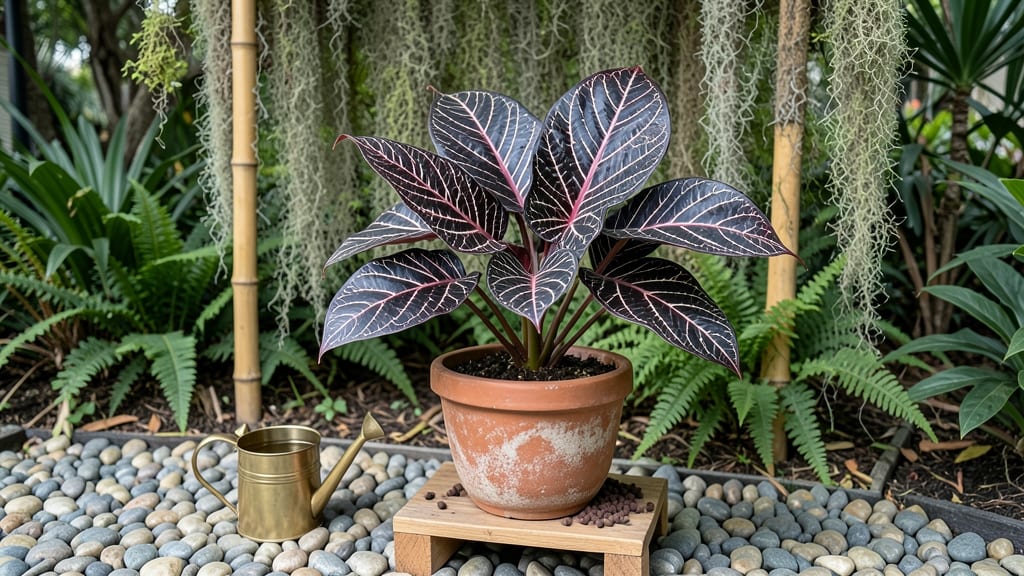
Garden ideas featuring Alocasia can turn even the dullest corner into a lush, tropical sanctuary with its bold, glossy leaves 🌿.
Picture this: a shady patio bursting with drama, where Alocasia steals the show alongside ferns and calatheas. The trick is playing up its natural height and texture—whether in a towering container or layered into a woodland garden bed.
If you’ve ever struggled to make a shade garden feel vibrant, these layouts prove you don’t need sun to create impact.
From small-space containers that fit a balcony to large-scale beds anchoring a courtyard, Alocasia adapts effortlessly. Pair it with moisture-loving companions like hostas or philodendrons, and you’ve got a year-round display that thrives in USDA Zones 10-12 (or indoors anywhere).
The key? Humidity, rich soil, and bright, indirect light—no direct sun needed.
Below, I’ll walk you through stylish container designs, shade-friendly layouts, and plant combos that maximize drama while keeping care simple. Ready to make your garden feel like a jungle retreat?
Best container ideas for growing Alocasia in small spaces
If your space is limited but you crave tropical drama, Alocasia thrives in containers with the right care. These moisture-loving plants need well-draining soil and high humidity, but their striking foliage makes them worth the effort.
Whether you're working with a balcony, patio, or urban garden, the right container can transform your small space into a lush oasis. Start with 12- to 18-inch pots for young plants, upgrading to 20+ inches as they mature—Alocasia can reach 4-6 feet tall in ideal conditions!
Ceramic pots are my top choice for aesthetic appeal and temperature regulation, but glazed containers help retain moisture—critical for Alocasia’s tropical roots. Avoid plastic if possible, as it traps too much heat. For hanging displays, opt for woven baskets with liner to prevent root exposure. Drainage holes are non-negotiable to prevent root rot, so always double-check before planting.
Here’s how different container types stack up for Alocasia care, including size recommendations, material pros/cons, and maintenance tips to keep your plants thriving in tight spaces:
| Container Type | Best For | Size Range | Material Notes | Drainage Tip |
|---|---|---|---|---|
| Ceramic Pots | Patios, indoor decor | 12"–24" | Retains moisture; heavy | Use saucers; elevate if needed |
| Woven Baskets | Hanging, balconies | 10"–16" | Breathable; needs liner | Add coconut coir liner |
| Glazed Planters | Outdoor shade areas | 14"–20" | Moisture-retentive; lightweight | Check for cracks |
| Fabric Grow Bags | Urban gardens | 12"–18" | Breathable; flexible | No liner needed |
| Self-Watering Containers | Travelers, busy gardeners | 10"–20" | Convenient; heavier | Refill reservoir weekly |
For Alocasia’s tropical roots, I recommend mixing 50% peat moss or coco coir with 30% perlite and 20% orchid bark to mimic their humid, airy native soil. This blend prevents compaction while retaining moisture—critical for Alocasia’s large leaves.
Top with 1-2 inches of mulch (like orchid bark) to slow evaporation and keep roots cool. If your space gets dry air, group containers together to create a microclimate and mist leaves daily during hot months.
Root rot is the #1 killer of container-grown Alocasia, so never let them sit in standing water. After watering, tip the pot to drain excess from the saucer within 10 minutes. In winter, reduce watering to every 10-14 days and move containers away from drafty windows or heating vents. A humidifier near your plants can work wonders for Alocasia’s love of moisture—especially in dry climates or indoor settings with forced air.
Pro tip: Rotate containers weekly to ensure even light exposure—Alocasia leans toward the light, and uneven growth ruins their symmetrical beauty. If your plant starts drooping, it’s usually a watering issue: yellow leaves mean overwatering, while crispy edges signal underwatering.
Adjust your routine based on the season—summer demands daily checks, while winter can stretch watering to bi-weekly.
For small-space magic, try stacking containers with Alocasia at the base and trailing plants like Philodendron hederaceum on top. This creates vertical interest while maximizing floor space. Pair Alocasia ‘Polly’ (compact variety) with Calathea orbifolia for a monochromatic jungle vibe.
Remember, Alocasia loves shade, so place containers underneath trees or on north-facing patios to avoid leaf scorch. With the right container and care, your mini tropical paradise will thrive—even in the tightest spaces!
🌿
Shade-loving Alocasia garden layouts for different garden styles
Alocasia thrives in shady corners, making it perfect for transforming underutilized spaces into stunning focal points. Whether your garden is a woodland retreat, a cozy courtyard, or an indoor-outdoor transition, these layouts will help you create drama with minimal sunlight.
The key is pairing Alocasia with complementary plants that share similar light and moisture needs while adding texture and contrast.
For woodland gardens, I recommend planting Alocasia polly or Alocasia zebrina alongside hostas and ferns. These combinations create a lush, layered effect that mimics a natural understory. Use organic mulch like shredded bark to retain moisture and suppress weeds, while also adding a forest-floor aesthetic.
In courtyard spaces, opt for Alocasia 'Black Stem' or Alocasia 'Dragon Scale' in large ceramic pots to make a bold statement without overwhelming the area.
- 🌿 Woodland Garden
- Pair Alocasia 'Polly' with hostas and Japanese painted ferns for a natural understory.
- Use shredded bark mulch to retain moisture and mimic forest floor conditions.
- Add dwarf bamboo for vertical interest and texture contrast.
- 🪴 Courtyard Layout
- Plant Alocasia 'Black Stem' in glazed pots with calatheas for a modern tropical vibe.
- Incorporate peperomia and pothos as spiller plants in hanging baskets.
- Use gravel mulch to prevent soil erosion and add urban garden contrast.
- 🌳 Indoor-Outdoor Transition
- Combine Alocasia 'Dragon Scale' with philodendron and asparagus fern in large woven planters.
- Place near east-facing windows or under deep shade trees for year-round growth.
- Add sphagnum moss to retain humidity and create a jungle-like microclimate.
Seasonal care is essential to keep your Alocasia looking vibrant year-round. In spring and summer, I feed mine with a balanced 10-10-10 fertilizer every 6 weeks to encourage lush foliage. During fall and winter, reduce feeding to once every 2-3 months and focus on maintaining consistent moisture.
If you notice yellowing leaves, it’s often a sign of overwatering—always ensure pots have drainage holes and the soil stays damp but not soggy.
For maximum impact, group Alocasia with plants that have similar care needs but different foliage textures. For example, pairing Alocasia 'Freddy' with Monstera deliciosa and Aglaonema creates a tropical paradise that thrives in shade.
In smaller spaces, use hanging baskets with trailing pothos or string of turtles to add vertical interest without taking up ground space. The key is to layer plants by height and texture for a dynamic, eye-catching display.
Don’t forget to rotate your containers occasionally to ensure even light exposure—Alocasia grows toward the light, so occasional adjustments will keep foliage symmetrical and healthy.
If you live in a cooler climate, bring potted Alocasia indoors before the first frost or move them to a bright, humid indoor space like a conservatory or sunroom. With the right layout and care, your shade garden will become a year-round tropical oasis.
🌿