
Fertilization
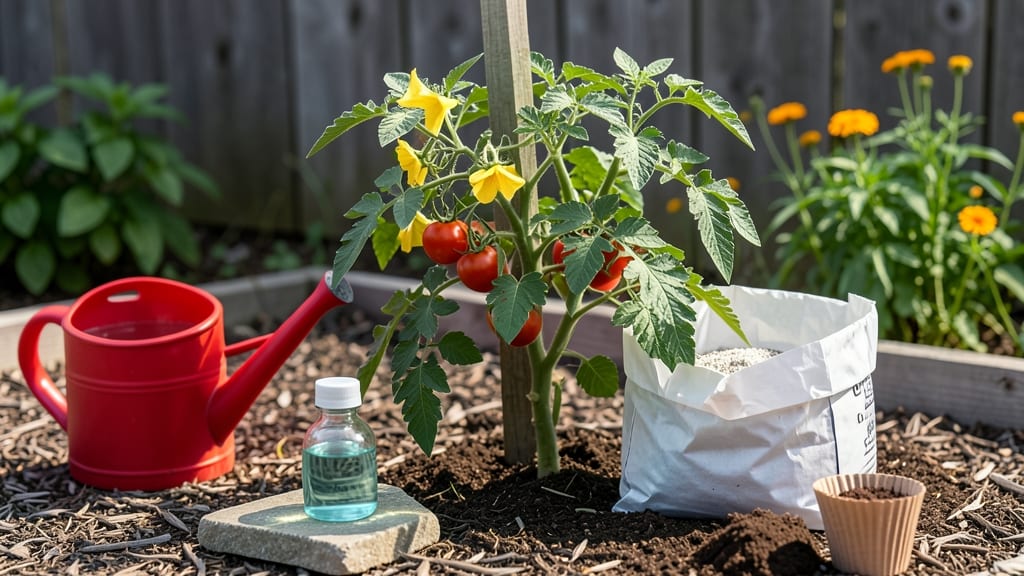
Garden tomatoes need calcium to grow strong and avoid the heartbreaking sight of blossom end rot ruining your harvest.
Picture this: you’ve nurtured your 🍅 plants all season, only to watch the bottoms of your tomatoes turn black and mushy. That’s blossom end rot, and it’s a classic sign your plants are starving for calcium. The good news? You can fix it fast—and stop it from happening again.
Calcium isn’t just about preventing ugly fruit. It’s the key to sturdy stems, healthy leaves, and a bumper crop of juicy tomatoes. Without enough, your plants struggle even when water and sunlight seem perfect. But with the right boost, you’ll see a difference in just 48 hours.
In this guide, I’ll walk you through the fastest ways to add calcium—whether you’re using crushed eggshells, lime, or foliar sprays—and how to keep your tomatoes thriving all season long.
Why tomatoes need calcium and how deficiency causes blossom end rot
Tomatoes are hungry for calcium, but not in the way you might think. While calcium is abundant in the soil, your plants can't always access it—especially when growing conditions are less than ideal.
This essential mineral plays a critical role in cell wall formation, helping tomatoes develop strong structures from roots to fruit. Without enough calcium, even well-watered and fertilized plants can develop blossom end rot, a common and frustrating issue that ruins harvests before they even ripen.
Blossom end rot isn’t just about calcium deficiency—it’s also tied to soil pH, nutrient competition, and inconsistent watering. Even if your tomatoes look healthy above ground, a hidden calcium shortage can cause the classic dark, sunken spots on the blossom end of fruit.
The good news? Understanding how calcium works in your garden is the first step to preventing this problem before it starts.
Calcium’s role in tomatoes goes beyond just preventing rot. It strengthens cell membranes, improves water transport, and even helps regulate enzyme activity. When calcium levels drop—often due to dry spells, high nitrogen fertilizers, or acidic soil—your plants struggle to maintain these critical functions. The result? Weak stems, poor fruit set, and those ugly, inedible blotches on your tomatoes.
Here’s the kicker: blossom end rot often appears even when gardeners follow all the rules—watering consistently, using balanced fertilizers, and providing full sun. The issue lies in how calcium moves through the plant.
During rapid growth phases or drought stress, calcium uptake slows down, leaving the youngest fruit—like the blossom end—most vulnerable.
| Factor | Impact on Calcium Uptake | Solution |
|---|---|---|
| Soil pH | Ideal pH: 6.0-6.8. Below 5.5 or above 7.5 reduces calcium availability. | Test soil; amend with lime if acidic. |
| Watering Patterns | Inconsistent moisture causes calcium to wash out or become unavailable. | Water deeply 1-2x weekly; mulch to retain moisture. |
| Nutrient Competition | High nitrogen or potassium fertilizers can block calcium absorption. | Use balanced fertilizer (e.g., 10-10-10); avoid over-fertilizing. |
| Temperature Stress | Extreme heat (>90°F) or cold (<50°F) disrupts calcium movement in plants. | Provide shade cloth in heatwaves; mulch to regulate soil temp. |
| Organic Matter | Low organic content reduces calcium availability in soil. | Add compost or well-rotted manure annually. |
The blossom end rot you see on tomatoes is actually a symptom of calcium deficiency in the fast-growing fruit. When calcium can’t keep up with the plant’s demand—often during fruit set or hot weather—the cells at the blossom end collapse, creating those dark, leathery spots.
What’s shocking is that this can happen even if your soil tests show plenty of calcium. The issue isn’t always the soil’s calcium levels but rather the plant’s ability to absorb and transport it.
Another common misconception is that watering more will fix blossom end rot. In reality, inconsistent watering is a major contributor to the problem. When soil dries out, calcium becomes temporarily unavailable to the plant roots.
Then, when you water heavily, the sudden influx of water can’t deliver calcium fast enough to the developing fruit. This is why drip irrigation or soaker hoses—which provide steady moisture—are far more effective than hose-end sprinklers.
Soil pH plays a huge role in calcium availability. Tomatoes thrive in slightly acidic to neutral soil with a pH between 6.0 and 6.8. If your soil is too acidic (<5.5), calcium becomes locked up and unavailable.
On the flip side, alkaline soil (>7.5) can also reduce calcium uptake. Testing your soil’s pH with a simple kit and adjusting with pelletized lime (for acidic soil) or sulfur (for alkaline soil) can make a world of difference in preventing blossom end rot.
Even if you’re using the right fertilizers, nutrient imbalances can starve your tomatoes of calcium. For example, too much potassium or magnesium can compete with calcium for uptake.
A balanced fertilizer with equal parts nitrogen, phosphorus, and potassium (like 10-10-10) is ideal, but always follow package instructions to avoid overdoing it. Organic options like bone meal or crushed eggshells can also provide a slow-release calcium boost without disrupting the nutrient balance.
One of the most effective ways to prevent blossom end rot is to ensure calcium is readily available when your tomatoes need it most. This means applying calcium-rich amendments like gypsum (calcium sulfate) or calcium nitrate at planting and again during fruit set.
For an organic approach, try crushed eggshells or wood ash (sparingly, as too much can raise soil pH). These methods not only provide calcium but also improve soil structure, helping roots absorb nutrients more efficiently.
If you’ve already spotted blossom
4 Fastest calcium solutions to fix blossom end rot in 48 hours
When you spot those sunken, dark lesions on your tomato blossom ends, your first instinct might be to panic—but not anymore. These 48-hour calcium fixes are your emergency toolkit to rescue your plants and salvage your harvest.
The key is acting fast while delivering calcium directly where your tomatoes need it most. Let’s dive into the quickest methods to stop blossom end rot in its tracks.
Blossom end rot thrives when calcium can’t reach your fruit fast enough, often due to uneven watering or soil pH imbalances. But with these solutions, you’ll bypass the slow soil absorption process and deliver calcium straight to your plants.
The best part? Each method takes less than 10 minutes to prepare and apply, giving your tomatoes the lifeline they need before your next harvest.
Mix 1 tbsp calcium nitrate or crushed eggshell tea in 1 gallon of water. Spray early morning on leaves and fruit until damp. Reapply every 48 hours for 2 weeks.
Dissolve 1 tbsp Epsom salt (magnesium sulfate) in 1 gallon of water. Pour directly around root zone. Repeat every 3 days for quick calcium uptake.
Bake and grind eggshells into a fine powder. Sprinkle 1 tbsp per plant around base. Water deeply to activate. Repeat weekly for sustained calcium.
Mix 1 tbsp garden lime in 1 gallon of water. Water slowly at soil level to avoid root burn. Use once per week for immediate pH adjustment.
Start with the foliar spray for the fastest results—it delivers calcium directly to your fruit within hours. Pair it with a root zone soak (like Epsom salt) to ensure your plants absorb calcium from both above and below ground.
For long-term prevention, incorporate crushed eggshells into your soil every few weeks. This not only fixes current issues but also builds soil health for future harvests.
Remember, consistency is key. Apply these solutions every 48 hours for the first week, then taper to weekly maintenance once you see improvement. Monitor your tomatoes closely—healthy fruit will start forming within days, and those unsightly lesions will fade away. Your next harvest will thank you!
Pro tip: Pair these fixes with mulching around your tomato plants to retain moisture and prevent calcium leaching. A thick layer of straw or wood chips keeps roots happy and reduces stress on your plants. With these steps, you’ll be enjoying plump, rot-free tomatoes in no time. 🌱