
Pests and Diseases
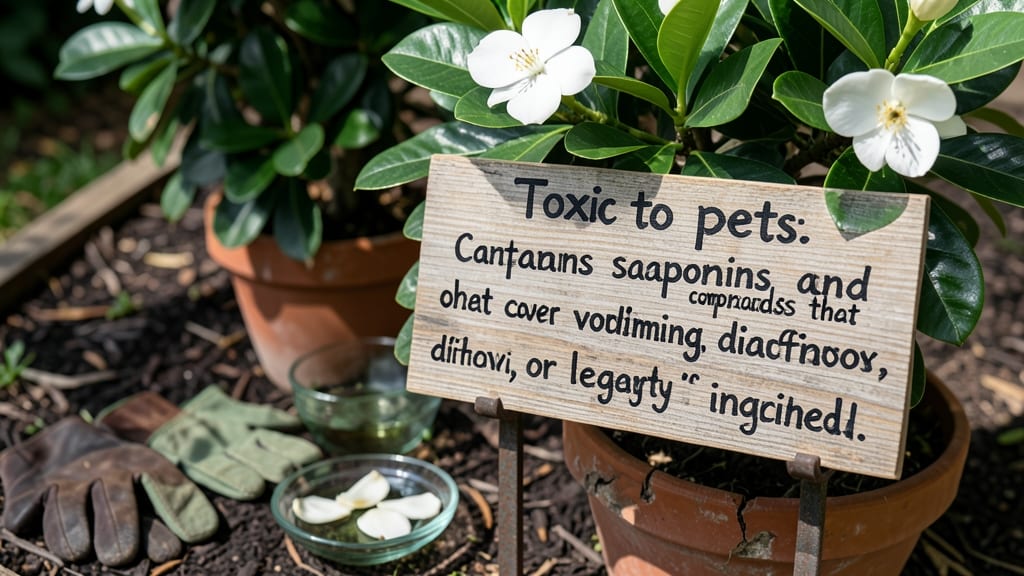
Gardenias are indeed poisonous to humans and pets, as their leaves, flowers, and stems contain harmful saponins and glycosides that can trigger nausea, vomiting, and skin irritation upon ingestion or contact. Always keep them out of reach of children and pets.
These toxic compounds are naturally occurring in gardenias, making them dangerous if consumed or handled improperly. 🌸 The saponins can cause gastrointestinal upset, while glycosides may lead to more severe reactions in sensitive individuals.
I always recommend wearing gloves when pruning and disposing of clippings in sealed bags to prevent accidental exposure. For pet owners, opting for non-toxic alternatives like jasmine or roses can be a safer choice.
If you suspect poisoning—whether in humans or pets—seek immediate medical attention. Symptoms often appear within hours of exposure, so quick action is critical. Understanding these risks helps gardeners enjoy these fragrant plants safely while minimizing potential hazards.
💡 In This Article
- Toxic Components in Gardenia Plants
- Safe Handling and Pet-Proofing Gardenias
Toxic components in gardenia plants
The primary toxins in gardenias are saponins and glycosides, which are concentrated in all parts of the plant—leaves, flowers, stems, and even roots. Saponins create a soapy lather when mixed with water, which is why they irritate mucous membranes in your mouth and digestive tract.
The glycosides, particularly gardenoside, interfere with cellular processes, leading to symptoms like vomiting and diarrhea. 🔥 These compounds work together to create a double threat: saponins cause immediate irritation, while glycosides trigger longer-lasting systemic effects.
When gardenia leaves or flowers are ingested—even in small amounts—the saponins can cause oral irritation, excessive drooling, and nausea within 30-60 minutes. The glycosides take longer to act, often causing abdominal pain and vomiting within 2-4 hours.
Skin contact isn't as dangerous but can still lead to mild rashes or itching, especially in sensitive individuals. For comparison, oleander (another ornamental plant) contains similar glycosides but in far higher concentrations, making gardenias less acutely toxic but still hazardous over time.
The toxicity level varies by plant part: leaves and stems contain the highest concentrations of saponins, while flowers are slightly less potent but still dangerous.
A single chewed leaf (about 1-2 grams) could trigger symptoms in a child, while pets might need to ingest larger quantities to show severe effects.
The fragrant oils in gardenia flowers also contain small amounts of volatile aldehydes, which can cause respiratory irritation if inhaled in large doses—like when crushing fresh petals.
What makes gardenias particularly insidious is how their toxicity builds up. While a single exposure might cause mild symptoms, chronic low-level exposure (like handling plants daily without gloves) can lead to cumulative effects, including gastrointestinal discomfort or allergic reactions.
This is why gardeners often report skin sensitivities after prolonged contact, even without direct ingestion. The plant's beauty masks its danger, making it a common culprit in accidental poisonings.
In the plant kingdom, gardenias aren't alone in their toxicity. They share similarities with azaleas, rhododendrons, and foxgloves, all of which contain harmful glycosides. However, gardenias are less likely to cause fatal poisoning (like foxgloves) but more prone to causing chronic low-grade toxicity from repeated exposure.
This makes them particularly risky for households with curious pets or small children who might nibble on leaves while playing near the plant.
Understanding these mechanisms helps explain why gardenias require careful handling. The combination of saponins and glycosides creates a two-phase reaction: immediate irritation followed by delayed systemic effects. This dual-action toxicity is what sets gardenias apart from milder ornamental plants and demands respectful care when cultivating them. 💫