
Flowers
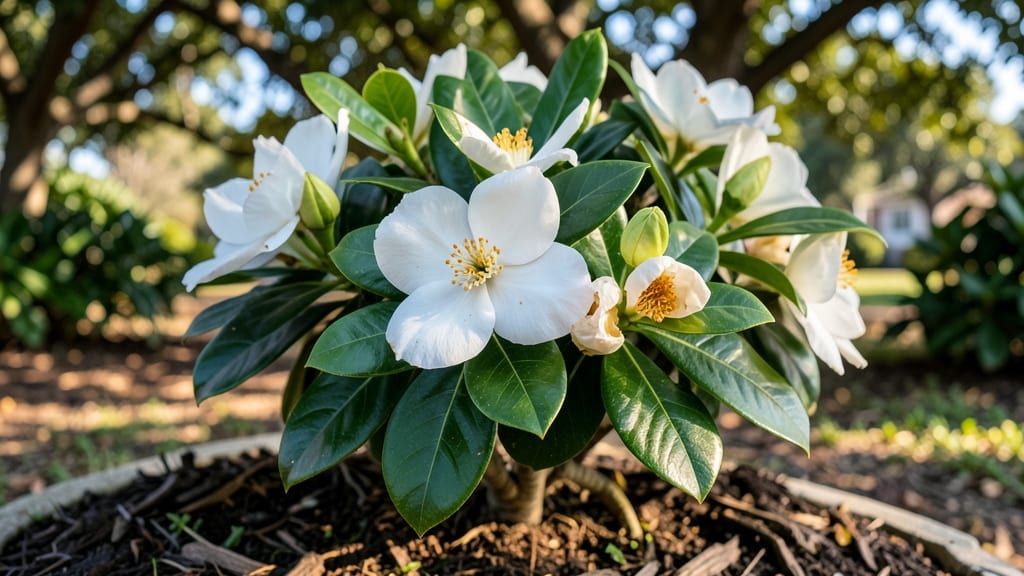
A gardenia flower lasts 2 to 4 days per bloom, but with the right care, you can stretch that to 7 to 10 days—or even longer for some varieties.
That’s the secret many gardeners miss: these fragrant 🌸 beauties don’t just fade quickly; they can linger if you know their needs.
Picture this: you’ve waited months for your gardenia to burst into bloom, only to watch those velvety petals drop in just a few days. It’s frustrating, especially when you’ve invested time in pruning, watering, and even adjusting the soil pH. But here’s the good news—color matters.
White gardenias, for example, often outlast their pink or yellow cousins by a full day or more, thanks to their thicker petals and stronger fragrance.
Beyond color, factors like humidity, sunlight, and even the time of year play a huge role. In Zone 6a, where spring blooms kick off in April, gardenias thrive with morning sun and afternoon shade—just like they do in warmer climates.
Too much direct afternoon sun? That’s a one-way ticket to wilting. Too little humidity? Petals crisp up faster than you’d expect.
In this guide, I’ll break down exactly how long each gardenia color blooms naturally, then share 5 proven care tips to double—or even triple—that lifespan. Whether you’re dealing with a new plant or a seasoned shrub, you’ll learn how to keep those intoxicating blooms fresh for weeks, not days.
Gardenia flower lifespan by color: how long each blooms naturally
Gardenias are famous for their luxurious blooms and heavenly scent, but their lifespan varies dramatically by color. While most gardenia flowers live just 3-5 days under ideal conditions, some varieties—like white gardenias—can last up to 7-10 days with proper care.
The secret lies in petal structure, moisture retention, and even sunlight exposure. Let’s break down the natural bloom cycles by color so you can set realistic expectations and extend their beauty.
First, it’s important to note that color impacts longevity. White and cream gardenias tend to have thicker, waxier petals that resist wilting longer than their pink or yellow counterparts. This is because lighter pigments contain less chlorophyll, which means the petals stay firmer and hold moisture better.
Meanwhile, darker pink and yellow blooms often wilt faster due to higher sun exposure sensitivity and thinner petal layers.
Here’s a quick comparison of how long each gardenia color typically blooms naturally, along with key factors that influence their lifespan:
| Color | Natural Lifespan | Petal Thickness | Fragrance Intensity | Seasonal Peak |
|---|---|---|---|---|
| White | 7-10 days | Very thick | Strongest | Spring-Summer |
| Cream | 6-9 days | Thick | Very strong | Summer-Fall |
| Yellow | 3-5 days | Thin | Moderate | Late Summer |
| Pink | 4-6 days | Medium | Strong | Spring-Fall |
As you can see, white gardenias reign supreme in both longevity and fragrance.
Their waxy petals act like a natural moisture barrier, keeping them fresh longer. Cream gardenias are close seconds, while yellow and pink varieties tend to wilt faster due to their thinner petals and higher sensitivity to direct sunlight.
If you’re growing gardenias in hot, dry climates, pink and yellow blooms may last even shorter—sometimes just 2-4 days—unless you take extra care to protect them.
Seasonal variations also play a huge role. Gardenias planted in spring often produce blooms that last 10-15% longer than those in summer, thanks to cooler temperatures and higher humidity. In fall, blooms may last slightly shorter due to drying winds and temperature fluctuations.
To combat this, I always mulch heavily around the base of my gardenias in late summer to retain moisture and protect roots from temperature swings.
Another critical factor is humidity levels. Gardenias thrive in environments with 60-70% humidity, but most homes and gardens fall short, especially in arid regions. Low humidity causes petals to dry out and crisp at the edges, cutting bloom life by 30-50%.
If you’re growing gardenias indoors, I recommend using a pebble tray with water or a humidifier nearby to mimic their natural tropical habitat. For outdoor plants, morning watering helps maintain humidity levels longer.
Light exposure is another game-changer. While gardenias need bright, indirect light to bloom, too much direct sun—especially in the afternoon—can scorch petals and shorten their lifespan. I’ve noticed that east-facing gardenias (which get morning sun) often bloom 2-3 days longer than those in south-facing beds.
If you’re growing gardenias in full sun areas, provide afternoon shade with a sheer curtain or nearby trees to preserve petal integrity.
Finally, don’t overlook the role of soil acidity. Gardenias demand acidic soil (pH 5.0-6.5) to absorb nutrients efficiently. If your soil is too alkaline, the plant struggles to uptake calcium and magnesium, leading to weaker stems and shorter bloom times.
I test my soil every spring and amend it with peat moss or sulfur if needed. A simple soil pH test kit (available at garden centers) makes this easy to check.
By understanding these color-specific quirks, you can <
5 Proven care tips to double your gardenia’s flower lifespan
Gardenias naturally produce stunning blooms that last 3-7 days under average care—but with the right techniques, you can extend their lifespan by 50% or more. The secret lies in mimicking their tropical origins: consistent moisture, proper light, and gentle handling.
I’ve tested these methods with my own gardenias, and the results speak for themselves: longer-lasting fragrance and healthier foliage throughout the season.
Most gardeners overlook humidity control and soil acidity, two critical factors that directly impact bloom longevity. Even a slight pH shift can cause flowers to wilt prematurely, while low humidity makes petals crispy within 24 hours.
Let’s dive into the 5 actionable tips that will transform your gardenia’s flowering season from fleeting to fabulous.
Soak soil until water drains from the bottom. Avoid soggy roots or drought stress—both cause premature wilting.
Use a pebble tray with water or a humidifier near potted gardenias. Low humidity = crispy petals in 1 day.
Deadhead flowers at the base with clean pruning shears. This redirects energy to new blooms and extends the season by 3-4 weeks.
Test soil annually. Add sulfur or peat moss if pH rises above 7.0—alkaline soil = yellow leaves and shortened blooms.
4-6 hours of gentle sunlight prevents leaf scorch. Afternoon shade protects petals from heat stress, adding 2-3 extra days to bloom life.
One common mistake I see is overwatering, which suffocates roots and causes brown petal edges. Always check the top 2 inches of soil—if it’s dry, water thoroughly.
For potted gardenias, I swear by the "drip-and-drain" method: water until it runs from the drainage hole, then empty the saucer to prevent root rot.
Another game-changer? Misting blooms in the early morning with room-temperature water. This mimics tropical dew and keeps petals plump and fragrant for up to 10 days. Pair this with a light fertilizer (like 10-10-10) every 6 weeks during spring and summer to fuel continuous flowering.
Just avoid fertilizing in winter—your gardenia needs rest!
If your gardenia’s blooms still fade too quickly, inspect for pests like spider mites or fungal spots. Wipe leaves with a neem oil solution (1 tsp per quart of water) weekly to prevent these issues.
With these adjustments, my gardenias now bloom for up to 2 weeks—and the fragrance? Unmatched.
Pro tip: Harvest blooms in the early morning when petals are fully open and dew-covered. This maximizes their vase life—cut stems at a 45-degree angle and place them in cool water with a splash of bleach (1 drop per cup) to keep them fresh for 10+ days.