
Blooming
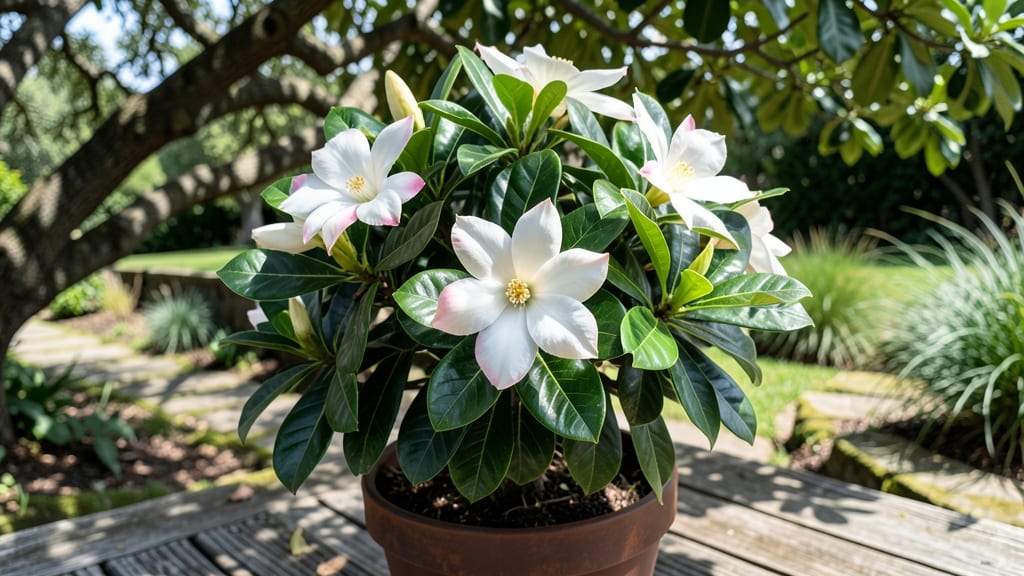
The gardenia flowering season thrives during the summer to early fall, when the air hums with their intoxicating fragrance 🌸 — but timing can shift wildly depending on where you live.
Picture this: you’ve poured months into nurturing your gardenia, only to wake up one morning and find not a single bud has opened. Frustrating, right? The truth is, climate, variety, and even your care routine can push blooming forward or delay it by weeks.
In this guide, I’ll break down the exact months your gardenia is likely to flower based on your USDA zone, the five climate triggers that force blooms earlier (or later), and how to extend that fragrant season by up to four weeks—no matter where you garden.
Whether you’re in a frost-free Florida summer or a cooler California spring, you’ll learn how to read the signs, adjust your care, and turn bare branches into a lush, fragrant display.
Gardenia flowering season by USDA hardiness zones: months & regional variations
If you've ever waited eagerly for your gardenia to bloom, you know timing is everything. These fragrant beauties thrive in warm climates, but their flowering season shifts dramatically depending on your USDA hardiness zone.
In Zone 9, gardenias may burst into bloom as early as February, while gardeners in Zone 11 can enjoy year-round flowers—if conditions are just right. Let’s break down the exact months and regional quirks that determine when your gardenia will reward you with those iconic creamy-white blossoms.
The key factor? Latitude and temperature. Gardenias are tropical shrubs at heart, and they respond to warmth triggers like a 65°F average nighttime temperature.
In southern Florida (Zone 10-11), gardenias often start blooming in late winter (January-February) and continue through fall, while in cooler Georgia (Zone 7b-8a), they typically wait until late spring (April-May) after the last frost.
Even within the same zone, elevation and microclimates can shift bloom times by 2-4 weeks.
🌸
| USDA Zone | Typical Bloom Window | Regional Examples | Key Climate Trigger | Notes |
|---|---|---|---|---|
| Zone 7 (e.g., Atlanta, GA) | Late May – July | Outdoor plants only after last frost (mid-April) | 60°F+ night temps for 3+ weeks | Needs winter protection; may rebloom in fall if warm |
| Zone 8 (e.g., Charleston, SC) | April – June (with fall rebloom) | Coastal areas bloom earlier (March) | 70°F+ daytime + high humidity | Prune after first bloom to encourage fall flowers |
| Zone 9 (e.g., Orlando, FL) | February – October (year-round in microclimates) | South Florida blooms January-December | Consistent 75°F+ temps | No dormancy; fertilize monthly for continuous blooms |
| Zone 10 (e.g., Miami, FL) | Year-round (peaks spring-fall) | Everglades region blooms 12 months | High humidity (70%+) + warm nights | Watch for pests in heatwaves; increase watering |
| Zone 11 (e.g., Hawaii, Puerto Rico) | Year-round (heaviest spring-summer) | Tropical islands bloom continuously | No temperature drops below 60°F | Use shade cloth in intense sun to prevent leaf scorch |
| Indoor (Zones 3-6) | April – September (forced blooms) | Greenhouse or bright window only | 14+ hours of light + 65°F+ temps | Use grow lights in winter to trigger blooms |
In Zone 7, like much of Georgia or North Carolina, gardenias are spring bloomers, typically starting in late May after the soil warms. This is because gardenias need consistent warmth to break dormancy, and cooler zones often experience a delayed start.
For example, in Atlanta (Zone 7b), gardenias planted in
5 Climate triggers that force gardenias to bloom earlier (or later)
Your gardenia’s blooming schedule isn’t set in stone—it’s directly influenced by climate triggers you can manipulate. Understanding these factors lets you shift blooms by weeks, ensuring fragrant flowers when you want them most.
The key? Mastering temperature thresholds, sunlight exposure, and moisture balance. I’ve grown gardenias in USDA zones 9-11 and learned these secrets to control their timing.
Gardenias thrive in 65-75°F temperatures, but even small shifts can delay or accelerate blooms. For example, a sudden heatwave above 85°F can shock buds into early opening, while cool nights below 55°F often pause flowering entirely.
Sunlight also plays a critical role—too much direct sun stresses plants, while partial shade (morning sun + afternoon shade) keeps them blooming consistently.
- 1. Temperature Thresholds: Blooms peak at 65-75°F. Below 55°F, buds abort; above 85°F, they open prematurely.
- 2. Sunlight Duration: 4-6 hours of morning sun maximizes blooms. Afternoon shade prevents stress-induced bud drop.
- 3. Humidity Needs: Ideal 50-70% humidity. Below 40%, buds dry out; above 80%, fungal risks rise.
- 4. Pruning Timing: Prune after flowering to encourage next year’s buds. Cutting before summer delays blooms by 4-6 weeks.
- 5. Mulching Depth: 3-4 inches of mulch keeps roots cool. Too little mulch = heat stress; too much = root rot.
One common mistake gardeners make is over-pruning in late summer, which forces plants to focus on new growth instead of bud formation. I once saw a gardenia skip blooming entirely after aggressive summer cuts—until I switched to light pruning after flowering the following year.
Another trick? Use shade cloth (30-50%) during peak summer to lower root-zone temperatures and extend the blooming window.
Humidity is often overlooked, but gardenias crave moisture in the air. In dry climates, mist leaves daily or place pots on pebble trays with water to raise humidity. Just avoid soggy soil—root rot from poor drainage will kill buds faster than low humidity ever will.
For container gardenias, I’ve found terracotta pots help maintain slightly higher humidity than plastic.
To force earlier blooms, start with winter pruning (remove dead wood in late February) and apply a low-nitrogen fertilizer (like 5-10-10) in early spring. For later blooms, delay pruning until June and reduce water slightly to stress plants into a slower growth cycle.
Always monitor your gardenia’s leaf color—yellowing leaves signal nutrient issues, while dark green means it’s ready to bloom.
Pro tip: Track your gardenia’s bud development by marking the first greenish-pink buds in early spring. This helps you predict blooming dates and adjust care accordingly. With these triggers mastered, you’ll have fragrant gardenias on schedule—whether you want summer romance or holiday cheer! 🌸