
Container Gardens
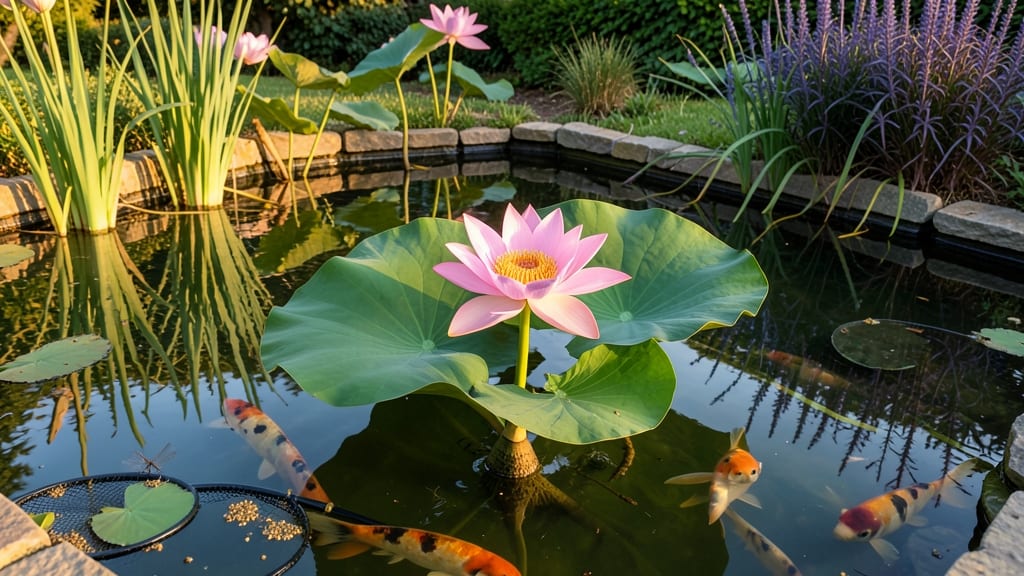
Finding aquatic gardens near you reveals tranquil spaces featuring vibrant aquatic plants and elegant water features, perfect for nature lovers and photographers. Seek out botanical conservatories, public parks, or private estates within a 30-60 minute drive that highlight lotus flowers, water lilies, and koi ponds.
These peaceful retreats often combine horticultural artistry with ecological education, creating immersive environments where visitors can observe rare aquatic species like water hyacinths or blue flag irises. 🌿 Many feature sustainable water management systems that double as educational tools, showing how natural filtration works in real-world settings.
I've found that the best local aquatic gardens often host seasonal events—think nighttime lantern displays or guided birdwatching tours—that transform a simple visit into a memorable experience.
For those planning a visit, I recommend checking local conservation society websites or nature-focused tourism boards first. They frequently list hidden gems that might not appear on mainstream travel guides.
Don't overlook smaller community gardens either—they often have the most intimate aquatic displays and welcoming staff who can share fascinating plant facts.
The key to maximizing your experience is timing: early mornings offer the best light for photography, while late afternoons provide the most vibrant colors as the sun sets over the water features.
💡 In This Article
- What Makes a Great Aquatic Garden Experience
- How to Find and Visit Nearby Aquatic Gardens
What makes a great aquatic garden experience
Exceptional aquatic gardens blend ecological diversity with thoughtful design, creating spaces where water plants thrive while engaging visitors' senses. The best examples showcase a mix of native species (like pickerelweed or cattails) alongside exotic varieties such as Victoria amazonica lilies, whose massive leaves can reach 10 feet in diameter.
This biodiversity isn't just visually stunning—it supports local ecosystems by providing habitats for amphibians, insects, and birds. For instance, a well-designed garden might include three distinct water zones: shallow margins for marginal plants, mid-depth areas for submerged species, and deeper sections for fully aquatic plants like water hyacinths.
The water management systems in top-tier gardens often serve as educational showcases. Many use constructed wetlands that filter runoff naturally through plant roots and microbial action, reducing chemical use while demonstrating sustainable practices.
You'll notice how these systems incorporate gentle water movement—whether through cascading streams or biofiltration swales—that mimics natural waterways. The sound of flowing water alone creates a calming effect, with studies showing that just 10-15 minutes in such environments can lower cortisol levels by up to 30%. 💧
Seasonal transformations are another hallmark of great aquatic gardens. In spring, you'll find vibrant blooms like water forget-me-nots and yellow flag irises, while summer brings dramatic displays from lotus flowers that open daily between 9 AM and 3 PM.
Autumn often reveals striking foliage from plants like blue flag iris, whose leaves turn fiery hues. The most impressive gardens plan these seasonal shifts carefully, ensuring year-round visual interest. This attention to temporal variety means no two visits feel identical—each season reveals new textures and colors.
Architectural harmony with nature sets exceptional gardens apart. Look for bridges that span water features without disrupting flow, or boardwalks elevated just 6-12 inches above the water to protect delicate plant roots.
The best designs use natural materials like local stone and reclaimed wood, which weather beautifully while blending with the surroundings. These elements create a sense of immersion where visitors feel like they're stepping into a living ecosystem rather than observing it from a distance.
The spatial arrangement often follows feng shui principles, with water features positioned to enhance energy flow through the garden paths.
Finally, the most memorable aquatic gardens incorporate interactive elements that deepen visitor engagement. Many feature touch pools where children (and adults) can feel aquatic plants like watercress or duckweed, while informational signs explain each species' ecological role.
Some even include sensory trails with aromatic plants like water mint whose leaves release fresh scents when brushed. These thoughtful touches transform a simple walk from passive observation to active learning—making the experience both educational and deeply personal. 🌿
What most people don't realize is how these elements work together to create what scientists call "restorative environments." The combination of water sounds, plant colors, and natural movement triggers our brain's default mode network—the same mental state associated with deep relaxation.
This is why aquatic gardens often feel more therapeutic than traditional botanical gardens, where the focus is primarily visual rather than multisensory. The best experiences engage all five senses simultaneously, creating memories that linger long after the visit ends.