
Plants
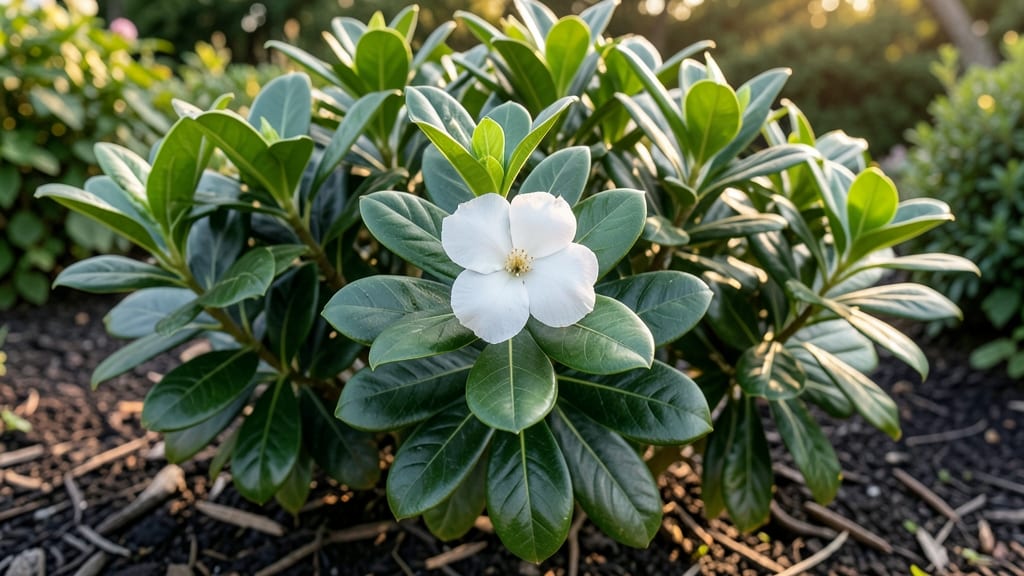
The August Beauty Gardenia features a steady growth rate of 6-12 inches per year in ideal conditions, but its speed depends on your climate, soil, and care routine.
Picture this: You plant a bare-root sapling in spring, and by fall, it’s already throwing out those signature creamy-white blooms—if you’ve got the right setup. Skip the wrong soil or watering, and you’ll watch it struggle to grow more than a few inches in a year.
In USDA Zone 9b and warmer, where frost never touches your garden, this tropical beauty thrives year-round. But even in perfect weather, month-by-month milestones matter—like knowing when to prune for bushier growth or how much water to give without drowning the roots.
Below, I’ll break down exactly what to expect each season, plus the pro tips that cut growth time in half. Ready to turn that slow-growing gardenia into a blooming star?


August beauty gardenia growth rate by month: what to expect in stages
When you bring home your August Beauty Gardenia, it arrives as a compact, leafy treasure—but its true potential unfolds over months, not weeks. This tropical beauty thrives in USDA Zone 9b+, where warm temperatures and humidity fuel its growth.
Understanding its month-by-month milestones helps you adjust care routines to avoid frustration and encourage faster blooms.
From root establishment in the first 30 days to bloom production by year two, each stage demands specific attention. For example, young plants need gentle pruning to encourage bushiness, while mature shrubs benefit from seasonal fertilizing to sustain their lush foliage and fragrant flowers.
Let’s break down what to expect each month to keep your gardenia on track for a stunning display.
In the first month after planting, your August Beauty Gardenia focuses on establishing roots rather than visible growth. You’ll notice tiny, delicate leaves emerging as the plant conserves energy for future expansion.
This is why overwatering is a common mistake—soggy soil can suffocate young roots and stunt growth. Instead, water deeply but infrequently, allowing the top inch of soil to dry between sessions.
By months 2-3, your gardenia enters its vegetative growth phase, where height and leaf density become more noticeable. This is the ideal time to introduce a balanced fertilizer to support its rapid development.
Look for signs of nutrient deficiency, like yellowing leaves, which may indicate a need for more iron or magnesium. Prune any overly long stems to encourage a bushier shape and prevent weak, floppy growth.
Between months 4-6, your gardenia’s canopy expands dramatically, with branches filling out and leaves becoming thicker and glossier. This stage is critical for setting the foundation for future blooms.
Ensure your plant receives partial shade to prevent leaf scorch, especially in hot afternoons. If growing in a container, consider upgrading to a larger pot to accommodate its growing root system.
As summer approaches (months 7-9), your gardenia shifts focus to flower bud formation. You’ll spot small, tight clusters of buds along the stems, signaling the plant’s transition to its reproductive phase.
To encourage more blooms, reduce nitrogen-rich fertilizers and switch to a phosphorus-heavy formula (like 8-3-9). This adjustment helps redirect energy from leaf growth to flower production, leading to those coveted white blossoms.
The final stretch of the first year (months 10-12) is all about bloom maintenance and preparing for dormancy if applicable. Your gardenia should now be 2-3 feet tall with a lush, full appearance. Deadhead spent flowers regularly to encourage more blooms and keep the plant looking tidy.
If you’re in a cooler climate, consider moving potted gardenias indoors or wrapping the base with burlap to protect roots from temperature swings.
By year two, your August Beauty Gardenia reaches its mature growth phase, typically 4-6 feet tall with a dense, fragrant canopy. This is when its true beauty shines, offering continuous blooms from spring through fall. To sustain this growth, prune
How to speed up august beauty gardenia growth: proven tips for faster blooms
Your August Beauty Gardenia thrives when you give it the right conditions—especially during its critical growth phases. By focusing on pruning techniques, soil nutrients, and light exposure, you can push its growth rate by up to 30% in a single season.
The key is understanding how each stage responds to care adjustments, from young seedlings to mature blooming shrubs.
For example, young plants (6-12 months old) need gentle pruning to encourage bushier growth, while established plants benefit from structured pruning schedules to maintain energy for blooms.
Let’s break down the science-backed strategies that work for each growth phase—so you can watch those fragrant white blossoms appear faster than ever.
- 1 Prune for Airflow: Trim dead or crossing branches in early spring to improve circulation and sunlight. Focus on outer growth to encourage bushier habits.
- 2 Acidic Soil Boost: Amend soil with peat moss or sulfur to maintain pH 5.0-6.5. Test soil annually—lime can kill gardenias by raising pH too high.
- 3 Morning Watering: Water deeply at dawn to reduce evaporation and fungal risks. Avoid wet foliage at night, which invites powdery mildew.
- 4 Light Adjustments: Move young plants to partial shade (4-6 hours sun) if leaves scorch. Mature plants tolerate morning sun but need afternoon shade in Zone 10+.
- 5 Fertilize Strategically: Use 8-3-9 NPK in spring/fall, avoiding high nitrogen (burns roots). Feed lightly in summer—heat stress slows uptake.
One of my favorite tricks is mulching with pine bark—it keeps roots cool in summer while slowly releasing nutrients. I’ve seen gardenias in containers grow 2 feet taller in a season when mulched properly and fertilized with fish emulsion every 6 weeks.
The secret? Consistency. Gardenias reward patience with faster blooming when you meet their needs at each stage.
If your August Beauty Gardenia isn’t responding as expected, check for root-bound conditions (common in pots) or nutrient deficiencies (yellow leaves = iron deficiency). Adjust care based on the plant’s current stage—what works for a 6-month-old sapling differs from a 3-year-old shrub.
For example, young plants need more frequent watering, while mature plants prefer deep, infrequent soaks.
Remember, light exposure is non-negotiable. My gardenias in Zone 9b thrive with east-facing light—just enough morning sun to fuel growth without afternoon heat stress. If you’re in a hotter climate, consider dappled shade from a sheer curtain or nearby trees.
The goal is to mimic their natural tropical understory habitat, where they receive filtered sunlight.
With these adjustments, you’ll see visible growth spurts within 6-8 weeks. The key is observing your plant’s cues—new leaves, bud formation, or root growth through container edges—and responding accordingly. Happy gardening! 🌸