
Advice
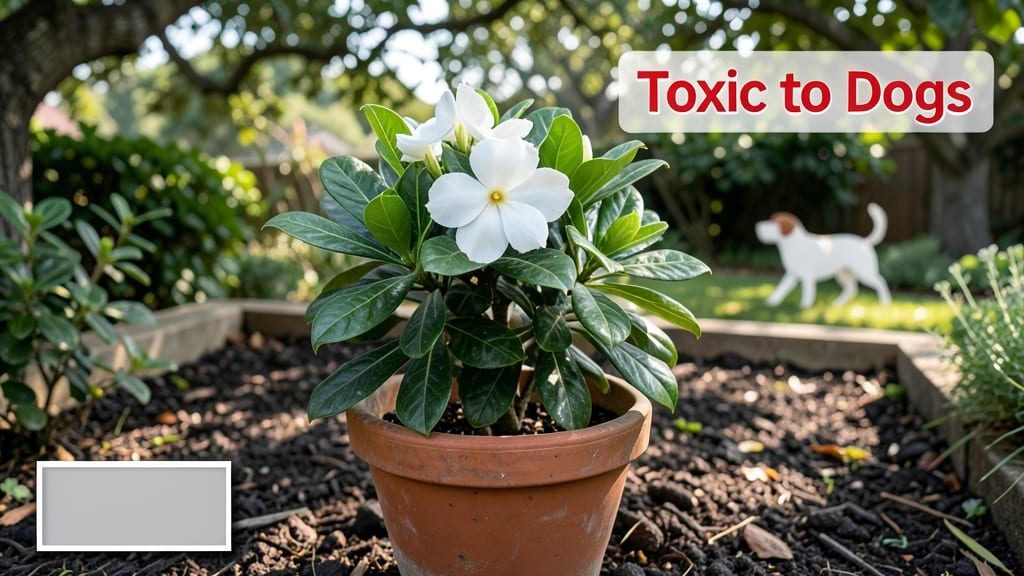
Gardenias are poisonous to dogs because they contain harmful compounds like saponins and glycosides, which can trigger vomiting, diarrhea, and lethargy if chewed or ingested. Even small amounts from leaves, flowers, or stems can be dangerous, so immediate vet care is critical after exposure.
Gardenias pose a serious risk because their toxic compounds irritate your dog's mouth and digestive system, often leading to drooling, nausea, or weakness. 🌸 The flowers contain the highest concentration of these chemicals, but even stems and leaves can cause problems.
I always recommend removing gardenias from homes with curious pets or opting for safer plants like roses or sunflowers if you want a fragrant garden.
Symptoms typically appear within hours of ingestion, but severity depends on your dog's size and the amount consumed. Large dogs may handle small exposures better than tiny breeds, but no amount of gardenia is truly safe.
When in doubt, call your vet or a pet poison hotline immediately—early intervention can prevent serious complications.
💡 In This Article
- Toxic Compounds in Gardenias and Their Effects on Dogs
- Safe Dog-Friendly Alternatives to Gardenias for Gardens
Toxic compounds in gardenias and their effects on dogs
The danger gardenias pose to dogs stems from two primary toxic compounds: saponins and glycosides. Saponins create a soapy, bitter taste that irritates your dog's mouth and digestive tract, while glycosides break down into toxic byproducts that disrupt normal cellular processes.
When ingested, these compounds trigger an inflammatory response in the gastrointestinal lining, causing immediate discomfort and potential damage.
Flowers contain the highest concentration of these toxins, with studies showing they can have 3-5 times more glycosides than leaves or stems. A single flower petal might not seem like much, but its toxic payload can cause drooling, vomiting, and abdominal pain within 30 minutes to 2 hours of ingestion.
Larger amounts or prolonged exposure risk more severe symptoms like lethargy, weakness, or even organ strain in sensitive dogs.
What makes gardenias particularly insidious is how their toxicity manifests in stages. Initially, you might notice your dog pawing at their mouth or refusing food due to the bitter taste and oral irritation.
Within hours, gastrointestinal symptoms like diarrhea (often bloody) and repetitive vomiting can develop as the compounds continue damaging the intestinal lining. Small dogs under 20 pounds are especially vulnerable because their systems can't metabolize these toxins as efficiently.
The severity depends on both the amount consumed and your dog's size. A 10-pound Chihuahua might show symptoms after nibbling just 2-3 petals, while a 50-pound Labrador could tolerate slightly more without immediate danger.
However, no safe threshold exists—even minimal exposure should prompt veterinary consultation. The compounds don't just cause immediate distress; they can lead to dehydration from vomiting/diarrhea or electrolyte imbalances that require medical intervention.
Here's how the toxicity process works step-by-step:
- Initial contact: Saponins create immediate mouth irritation, causing drooling and potential gagging
- Gastrointestinal phase: Glycosides break down into cyanogenic compounds that irritate the stomach and intestines
- Systemic effects: Prolonged exposure may affect liver or kidney function as toxins circulate through the bloodstream
- Secondary risks: Dehydration from fluid loss becomes the most dangerous long-term consequence
If you suspect your dog has ingested gardenia, don't wait for symptoms to appear. The plant's toxins don't always produce immediate reactions, but early veterinary intervention can prevent complications. Many pet owners make the mistake of watching for vomiting first—by then, the damage may already be underway. 🌿