
Light Requirements
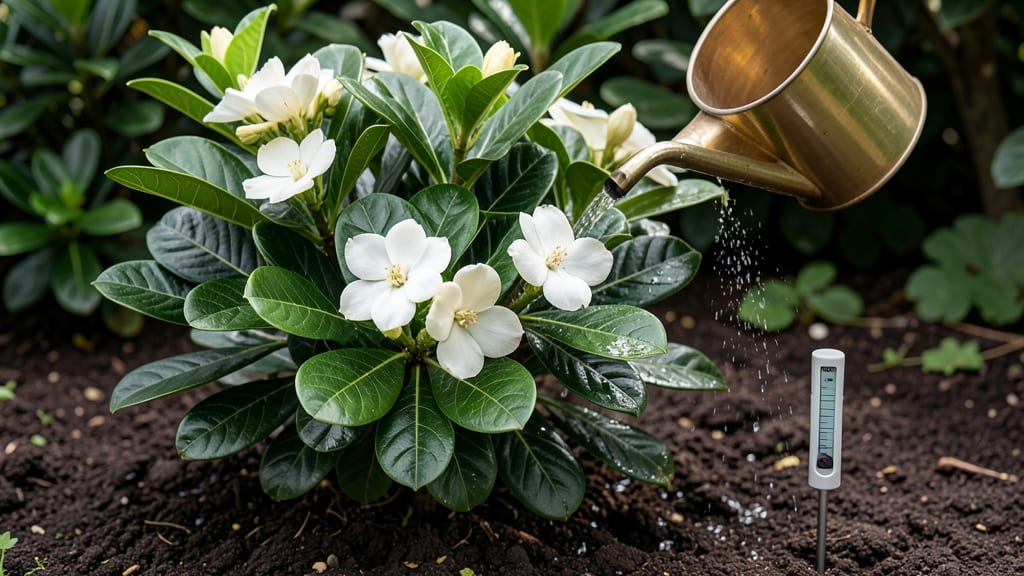
Gardenias need consistent moisture but not a lot of water—overdoing it drowns their roots faster than you’d think, especially in humid climates where they thrive.
Picture this: your fragrant 🌸 gardenia wilts overnight, not because it’s thirsty, but because its roots suffocated in soggy soil. The key isn’t drowning it daily—it’s keeping the soil evenly moist without turning it into a swamp.
Here’s the secret: gardenias hate dry spells but despise waterlogged soil even more. In Zone 6a, I’ve learned to check soil moisture with my finger—if the top inch feels dry, it’s time to water deeply. Too much? Yellow leaves and root rot follow fast.
Below, I’ll show you how to strike the perfect balance, from seasonal adjustments to soil tests that save your plant from a soggy grave.
How much water gardenias actually need (and when to worry)
Gardenias thrive on consistent moisture, but their water needs are often misunderstood. Unlike drought-tolerant plants, gardenias hate dry soil—yet they can't tolerate soggy conditions either. The key lies in balanced hydration, which means watering deeply but infrequently, while ensuring proper drainage.
In my experience, most gardenia problems stem from either overzealous watering or neglecting their thirst during heatwaves.
Your gardenia's water needs depend on three critical factors: soil type, climate, and seasonal changes. Sandy soil drains quickly and may require daily watering in summer, while clay soil holds moisture longer and needs every 3-4 days.
Humid climates reduce evaporation, while dry, windy areas demand more frequent watering. Understanding these variables prevents both root rot and wilting stress.
Here’s the golden rule I follow: gardenias need 1 inch of water per week during growing season (spring-fall), but this varies by conditions. For container gardenias, check soil moisture daily—they dry out faster.
In-ground plants can often go 5-7 days between waterings if the soil stays moist. The 'finger test' is your best tool to avoid guesswork.
🌸 Summary Table: Gardenia Water Needs by Season
| Season | Water Frequency | Soil Moisture Goal | Signs of Stress |
|---|---|---|---|
| Spring | Every 2-3 days | Top 1-2" moist | Yellowing leaves |
| Summer | Daily or every other day | Top 1" moist | Drooping foliage |
| Fall | Every 3-4 days | Top 2" moist | Slow growth |
| Winter | Bi-weekly | Top 3" moist | Brown leaf tips |
The 'finger test' is my go-to method for perfect moisture balance. Stick your finger 1-2 inches into the soil—if it feels dry, water thoroughly. If it's still damp, wait another day.
Overwatering is the #1 killer of gardenias, causing root rot and fungal diseases. I’ve lost three gardenias to soggy soil, so I now use well-draining mixes with perlite or sand.
Your gardenia’s leaves tell a tale of thirst. Wilting or yellowing often signals underwatering, but brown leaf edges or mushy stems mean overwatering. Another red flag? Falling buds—this usually happens when roots struggle due to poor drainage. Pay attention to these visual cues before adjusting your watering schedule.
Climate plays a huge role in gardenia care. In humid regions like Florida or Louisiana, gardenias may need less frequent watering because high air moisture reduces evaporation. But in arid climates like Arizona or California, you’ll need to water daily in summer and use mulch to retain moisture.
I once grew gardenias in Texas, and mulching saved them during 100°F heatwaves.
Morning watering is non-negotiable for gardenias. Watering in the early morning (before 10 AM) gives roots time to absorb moisture while minimizing fungal risks from evening dampness.
Avoid overhead watering—it encourages powdery mildew. Instead, use a soaker hose or water at the base. This small habit has kept my gardenias disease-free for years.
Seasonal adjustments are crucial. In spring, when new growth emerges, water every 2-3 days. During summer blooming, increase frequency to daily or every other day.
As temperatures drop in fall, reduce watering to every 3-4 days. In winter, most gardenias enter dormancy and only need water bi-weekly.
If your gardenia shows signs of stress, act fast. For underwatered plants, soak the soil deeply and place the pot in a tray of water for 10 minutes. For overwatered plants, stop watering immediately and check for root rot by gently digging around the base.
Healthy roots should be white or tan—dark, mushy roots need trimming and repotting in fresh, dry soil.
Remember, gardenias aren’t water hogs—they just hate inconsistency. Stick to a routine, monitor soil moisture, and your gardenia will reward you with glossy leaves and fragrant blooms all season. With the right balance, you’ll avoid the soggy nightmare that ruins so many gardenias.
Soil test tricks to prevent root rot in gardenias
Gardenias thrive in moist, well-draining soil with a slightly acidic pH—typically between 5.0 and 6.5. But many gardeners accidentally create the perfect storm for root rot by overwatering or planting in heavy clay. Before you water again, check your soil’s health with these simple tests.
Start by squeezing a handful of moist soil. If it forms a tight ball that doesn’t crumble, your soil is too dense and needs amendments like perlite or sand.
Gardenias hate soggy feet—this texture traps excess water, inviting fungal diseases. For a quick fix, mix in 20% perlite or coarse sand to improve drainage.
Next, test drainage by filling a container with soil and water. If water pools on top after 30 minutes, your gardenia is at risk. The ideal soil should drain within 15-20 minutes.
For at-risk plants, consider a raised bed with a 10-inch deep layer of amended soil to prevent waterlogging.
⚠️ WARNING: Overwatering Kills More Gardenias Than Underwatering!
🌱 Root Rot Red Flags:
- Yellowing leaves that stay soft even when dry
- Mushy stems at the base (a sure sign of fungal rot)
- Slow growth despite regular watering
Don’t forget to check your soil’s pH level—gardenias crave acidity. Use a DIY vinegar-baking soda test: Mix 1 tsp baking soda in 1 cup water, then add soil.
If it fizzes, your pH is too high. To lower pH, add sulfur or pine needles to the soil. Aim for 5.5–6.0 for optimal blooms.
For container gardenias, ensure pots have drainage holes and use a mix of 50% peat moss, 30% perlite, and 20% compost. Elevate pots on feet or saucers to prevent water from pooling.
In humid climates, water only when the top 1-2 inches of soil feel dry—overwatering is the #1 killer of potted gardenias.
Remember: Gardenias prefer thirst-quenching drinks, not baths. Water deeply once every 2-3 days in summer, but let the soil dry slightly between waterings. A moisture meter (or your finger) is your best friend—stick it in the soil. If it’s damp past 2 inches, wait before watering again. 🌸