
How To
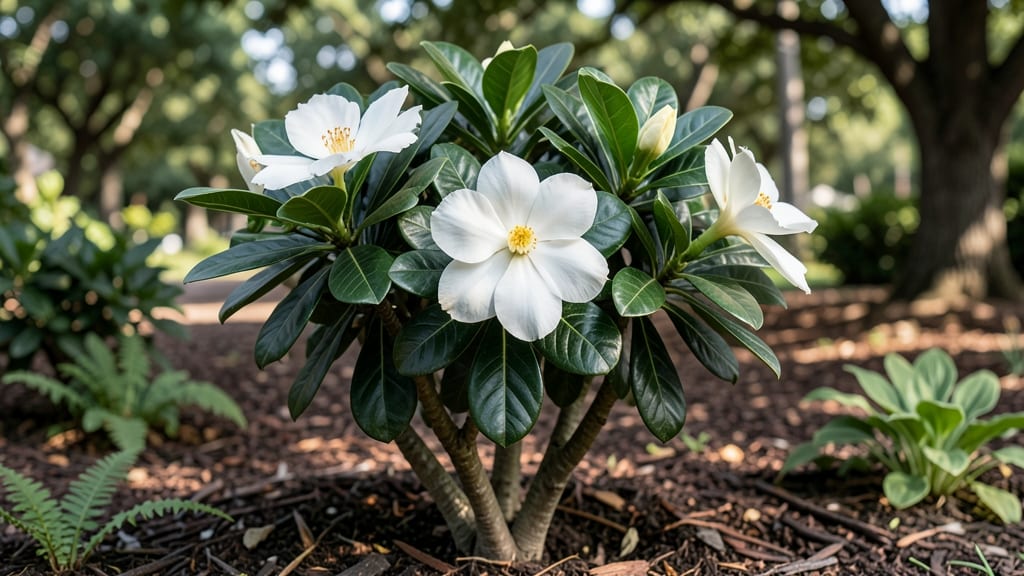
Gardenias grow to 3 to 6 feet tall at maturity, with some varieties stretching even wider 🌸 — but their size depends on the type, pruning, and where you live.
If you’re dreaming of fragrant gardenias but wondering whether they’ll fit your garden—or just your patio—knowing their mature size is key. These tropical favorites vary wildly in height, spread, and growth habits, so let’s break down exactly what to expect from each variety before you plant.
Most common gardenias like G. jasminoides reach 4 to 5 feet with a spread of 3 to 4 feet, making them perfect for shrub borders or foundation plantings. Dwarf varieties, though, stay compact at 2 to 3 feet, ideal for containers or small spaces.
Below, you’ll find a breakdown of gardenia sizes by variety, plus tips on spacing and pruning to keep them looking their best—whether you’re working with a sprawling bush or a compact patio plant.
Gardenia mature size by variety: height, spread & growth habits
Choosing the right gardenia variety means understanding their mature size—because what fits perfectly in your courtyard might overwhelm your patio. Gardenias range from compact shrubs to sprawling climbers, with heights between 2 and 10 feet and spreads from 3 to 8 feet wide.
The key is matching your space to the plant’s growth habit, whether you’re looking for a fragrant hedge, a container specimen, or a climbing accent.
Most gardenias fall into three main categories: dwarf varieties (under 3 feet), standard shrubs (3–6 feet), and climbing types (up to 10 feet). Their growth rates also vary—some mature in 3 years, while others take 5+ years to reach full size.
Let’s dive into the specifics so you can pick the perfect fit for your garden design.
The G. jasminoides ‘Kleim’s Hardy’ is my top pick for small spaces—it stays under 3 feet tall but still packs a heavy fragrance. This variety thrives in containers or window boxes, making it ideal for patios or balconies.
Just remember, its slow growth means patience is key if you’re waiting for blooms.
For medium-sized gardens, the G. jasminoides ‘Radicans’ is a crowd-pleaser. It grows into a compact, rounded shrub with glossy leaves and double white flowers. With a mature spread of 4–6 feet, it’s perfect for foundation plantings or mixed borders. Prune lightly after flowering to maintain its shape.
If you’re dreaming of a tropical focal point, the G. augusta delivers—though it needs space. This variety can reach 10 feet tall and wide, so it’s best suited for large yards or as a specimen plant.
Its large, fragrant blooms make it a showstopper, but it requires regular pruning to control its size.
For climbing enthusiasts, G. radicans is the star. It grows aggressively, reaching up to 10 feet tall when trained on a trellis or fence. Its vine-like habit makes it perfect for adding vertical interest, but it needs support from day one to prevent sprawling.
This variety also benefits from regular deadheading to encourage more blooms.
One factor that often surprises gardeners is how soil acidity affects size. Gardenias thrive in acidic soil (pH 5.0–6.0), and poor soil conditions can stunt growth.
If your soil is alkaline, amend it with peat moss or sulfur before planting. I’ve seen gardenias in neutral soil grow 20–30% slower than those in ideal conditions.
Light exposure also plays a role. While gardenias love bright, indirect light, too much direct sun can scorch leaves
How gardenia growth habits affect your garden layout
Understanding how gardenias grow is crucial for planning your garden layout. These plants can range from compact shrubs to sprawling vines, and their growth habits directly impact where and how you plant them.
For example, a standard gardenia like G. jasminoides can grow 4-6 feet tall with a similar spread, while climbing varieties like G. radicans may need vertical support to reach 10+ feet. Let’s explore how their growth affects your garden design.
Spacing is one of the first considerations when planting gardenias. A 3-foot spacing works well for dwarf varieties, while standard shrubs need 5-6 feet between plants. If you’re growing gardenias near a fence or wall, consider their mature spread to avoid overcrowding.
For instance, a sprawling gardenia like G. augusta can spread 6-8 feet wide, so plan accordingly to maintain airflow and prevent disease.
Gardenia Growth Habits: Layout Pros & Cons
- Ideal for small gardens
- Minimal pruning needed
- Great for containers
- Limited fragrance spread
- May need winter protection
- Strong fragrance reach
- Versatile garden placement
- Long bloom season
- Requires more space
- Needs regular pruning
- Vertical space saver
- Dramatic garden focal point
- Less ground space needed
- Needs sturdy support
- Harder to prune
Pruning plays a key role in managing gardenia growth. For shrub varieties, prune after flowering to maintain shape and encourage new growth. Use clean, sharp shears to avoid damaging branches.
If your gardenia is growing too large, lightly trim back overgrown branches in early spring. For climbing varieties, prune to control height and direct growth along trellises or fences.
Avoid common mistakes like planting gardenias too close together, which can lead to poor airflow and fungal diseases. Another mistake is neglecting to support climbing varieties, which can cause weak stems and limited growth.
Always choose a location with well-draining soil and partial shade to keep your gardenias thriving. With the right layout and care, your gardenias will reward you with lush foliage and intoxicating fragrance for years.
Consider using gardenias as privacy screens or border plants in larger gardens. Their glossy leaves and fragrant blooms add beauty and scent to any outdoor space. For smaller gardens, opt for dwarf varieties or container-grown plants to maximize fragrance without overwhelming your space.
With these tips, you’ll create a garden layout that highlights the best of your gardenias while keeping them healthy and happy.
🌸