
Container Gardens
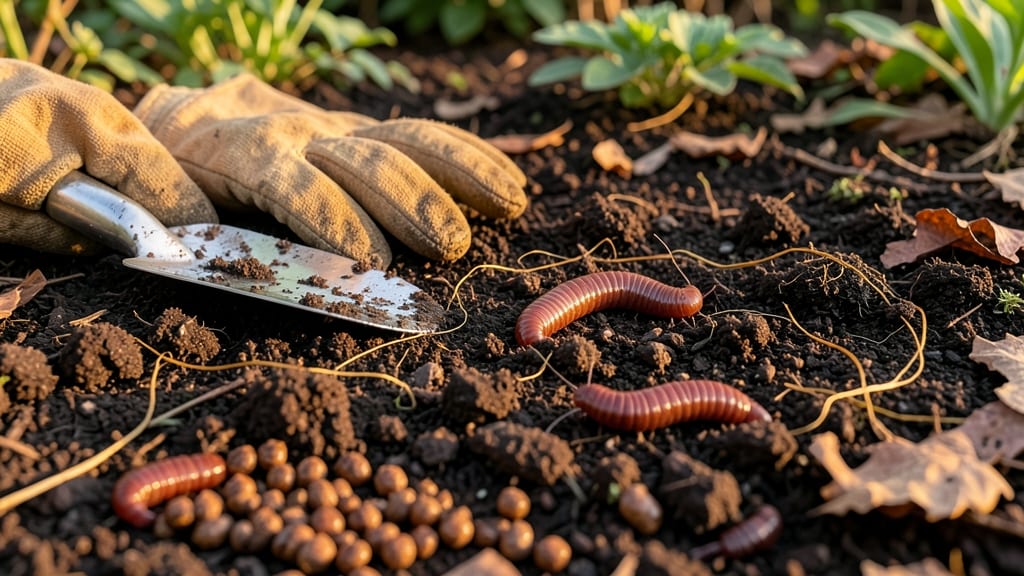
Night crawlers are good for gardens because they aerate soil, break down organic matter, and enrich it with nutrient-rich castings while improving drainage and water retention for healthier plant growth.
Night crawlers act like nature's plow and composters, creating tunnels that loosen compacted soil while their castings release slow-release nutrients. 🌱 These earthworms thrive in rich, moist environments, making them ideal for vegetable gardens or compost piles.
Their presence also boosts beneficial microbial activity, which helps plants absorb water more efficiently and reduces soil erosion.
For best results, maintain slightly acidic soil (pH 6-7) and keep organic matter like leaf litter or grass clippings on the surface to attract them naturally. Avoid chemical fertilizers, as they can harm these beneficial worms.
If your garden lacks them, you can purchase night crawlers from bait shops or online suppliers, but introducing them gradually prevents overpopulation.
💡 In This Article
- How Night Crawlers Improve Soil Structure and Plant Nutrition
- Best Practices for Introducing Night Crawlers to Your Garden
How night crawlers improve soil structure and plant nutrition
Night crawlers act as underground engineers, creating intricate tunnel systems that can extend 3-6 inches deep and span 10-20 feet per worm in a season. These tunnels improve soil aeration by allowing oxygen to penetrate 20-30% more efficiently than in compacted soil, which is crucial for root respiration.
The tunnels also create pathways for water to infiltrate, reducing surface runoff and improving water retention by 15-25%—especially valuable in clay-heavy or sandy soils where drainage is an issue. 🌱
Their feeding habits transform garden waste into plant-available nutrients. Night crawlers consume half their body weight daily in organic matter, digesting it through their gizzards and excreting nutrient-rich castings that contain 5x more nitrogen, phosphorus, and potassium than the original material.
These castings also have a higher cation exchange capacity, helping soil retain essential minerals like calcium and magnesium that plants need for growth.
What makes night crawlers particularly effective is their ability to stimulate microbial activity. Their castings contain beneficial bacteria like Pseudomonas and Bacillus species, which help break down complex organic compounds into simpler forms plants can absorb.
This microbial boost creates a symbiotic relationship where worms and soil microbes work together to create a more fertile environment, often resulting in 20-40% faster plant growth compared to soil without worm activity.
Their tunneling also physically breaks up compacted soil layers, creating a looser, more workable medium that encourages deeper root penetration. Studies show plants grown in worm-inhabited soil develop roots that are 30-50% longer than those in compacted soil, giving them better access to water and nutrients.
This is especially beneficial for heavy feeders like tomatoes and corn, which require extensive root systems to support their growth. 🌿
Night crawlers also play a role in pest control by consuming harmful insects and larvae. Their presence reduces populations of soil-dwelling pests like cutworms and grubs, which can damage plant roots.
Additionally, their castings create a slightly acidic environment (pH 6.5-7.5) that deters some fungal pathogens while promoting beneficial microbial communities that suppress plant diseases naturally.
One often-overlooked benefit is their role in carbon sequestration. As night crawlers process organic matter, they incorporate carbon into the soil structure, helping to stabilize it and reduce erosion.
This process can increase soil organic matter by 1-2% annually, which is particularly valuable for maintaining long-term soil fertility in intensive gardening systems.
Their activity also creates a more balanced soil ecosystem by reducing anaerobic pockets where harmful bacteria thrive. Well-aerated soil supports aerobic decomposition, which produces fewer toxic byproducts and creates a healthier environment for plant roots to thrive in. 💫