
Lawn
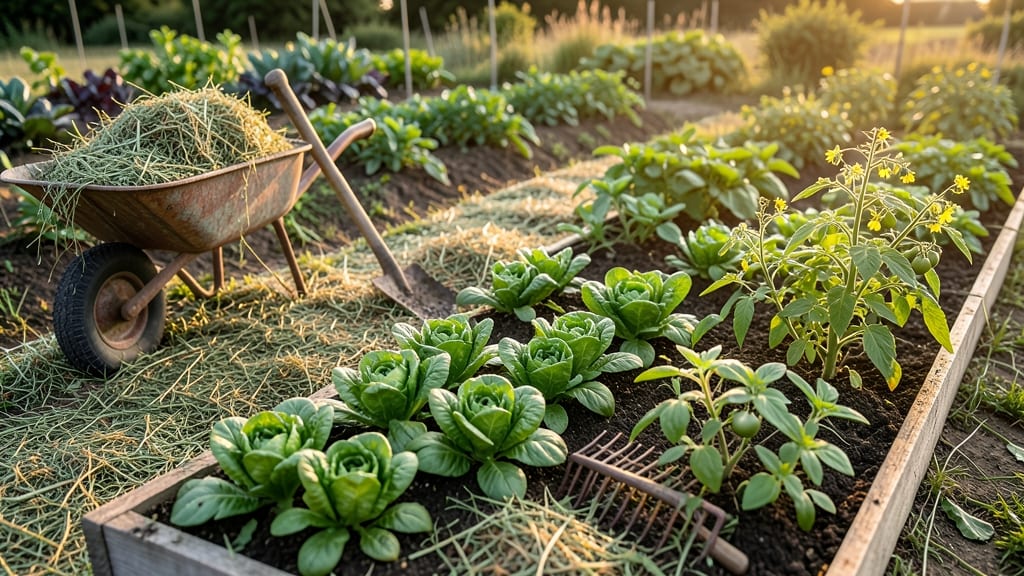
Using grass clippings in a vegetable garden adds valuable nitrogen to soil, but improper use can introduce weeds or fungal spores. Fresh clippings need composting before application, while dried clippings can be spread directly in thin layers.
Grass clippings are essentially a free, organic fertilizer packed with nitrogen—about 1-2% by weight, depending on your grass type. 🌱 When properly prepared (composted or dried), they break down quickly, feeding soil microbes that in turn boost plant growth.
The key is timing: leafy greens like lettuce thrive with this method, while root crops may need more balanced nutrients. I’ve seen gardeners double their harvests by using clippings as mulch, but only after ensuring they’re weed-free and properly aged.
For best results, spread dried clippings in ½-inch layers around plants, keeping them away from stems to prevent rot. Fresh clippings should sit in a compost pile for 2-4 weeks to kill pathogens before use.
The research backs this up—studies show clipping-based soil amendments can increase vegetable yields by up to 30% when managed correctly.
💡 In This Article
- How Grass Clippings Impact Soil Fertility and Plant Health
- Best Practices for Safely Using Grass Clippings in Vegetable Beds
How grass clippings impact soil fertility and plant health
Grass clippings are a powerhouse of nitrogen—typically containing 1-2% nitrogen by dry weight, which is comparable to commercial fertilizers like urea (46% nitrogen). When these clippings decompose, they release nitrogen in forms that plants can quickly absorb, like ammonium and nitrate.
This process kickstarts microbial activity in the soil, breaking down organic matter into nutrients that feed your vegetables. 🌱 The microbial boost isn't just about nitrogen; it also improves soil structure by creating stable aggregates that hold moisture and air better than compacted soil.
Fresh clippings, however, pose risks: their high moisture content and rapid decomposition can create anaerobic zones where harmful pathogens thrive. Studies from the University of Nebraska-Lincoln found that fresh clippings left directly on garden beds increased fungal spores by up to 40%, potentially causing diseases like damping-off in seedlings.
Dried clippings, on the other hand, have a carbon-to-nitrogen ratio of about 20:1, making them safer for direct application—they decompose slowly and won’t smother plants.
The key difference lies in the clippings' water content: fresh clippings can double in weight when wet, while dried clippings lose 75-80% of their moisture within 24 hours of mowing.
Research also shows that grass clippings benefit specific crops differently. Leafy greens like spinach and lettuce respond best to their nitrogen boost, with studies showing 20-30% higher yields when clippings are used as mulch.
Root vegetables, however, may suffer if clippings are applied too close to the stems—the high nitrogen can cause forked roots or excessive leaf growth at the expense of edible tubers. 🌿 The solution?
Spread dried clippings in ¼-inch layers around the base of plants, keeping them 2-3 inches away from stems to prevent rot while still feeding the soil.
Weed seeds are another concern—most grass clippings contain dormant seeds that can sprout if left in the garden. A 2018 study in HortScience found that 15-20% of clippings from residential lawns contained viable weed seeds, including crabgrass and chickweed.
To mitigate this, let clippings dry completely (until they turn brown) or compost them for 4-6 weeks before use. The heat generated during composting kills most weed seeds, making the clippings safer for vegetable beds.
For extra caution, mow your lawn regularly—taller grass produces more seeds, so keeping it short reduces contamination.
The microbial benefits extend beyond nitrogen. Grass clippings introduce beneficial bacteria like Bacillus subtilis, which outcompete harmful pathogens in the soil. This is why gardeners often see fewer soil-borne diseases in beds amended with clippings. The trade-off?
Overapplication can lead to thatch—a thick, mat-like layer of undecomposed organic matter that blocks water and air from reaching roots. To avoid this, limit clipping applications to 1-2 times per growing season and pair them with other organic matter like straw or leaves to balance the carbon-to-nitrogen ratio.
For maximum benefits, pair grass clippings with other soil amendments. For example, mixing them with wood ash (a potassium source) or composted manure creates a more balanced fertilizer.
I’ve seen tomato plants thrive when clippings are combined with a 1:2 ratio of clippings to compost, yielding fruits that are 10-15% heavier than those grown with synthetic fertilizers alone. The secret?
It’s not just about the nitrogen—it’s about creating a thriving soil ecosystem that supports both microbes and plants.