
Pests
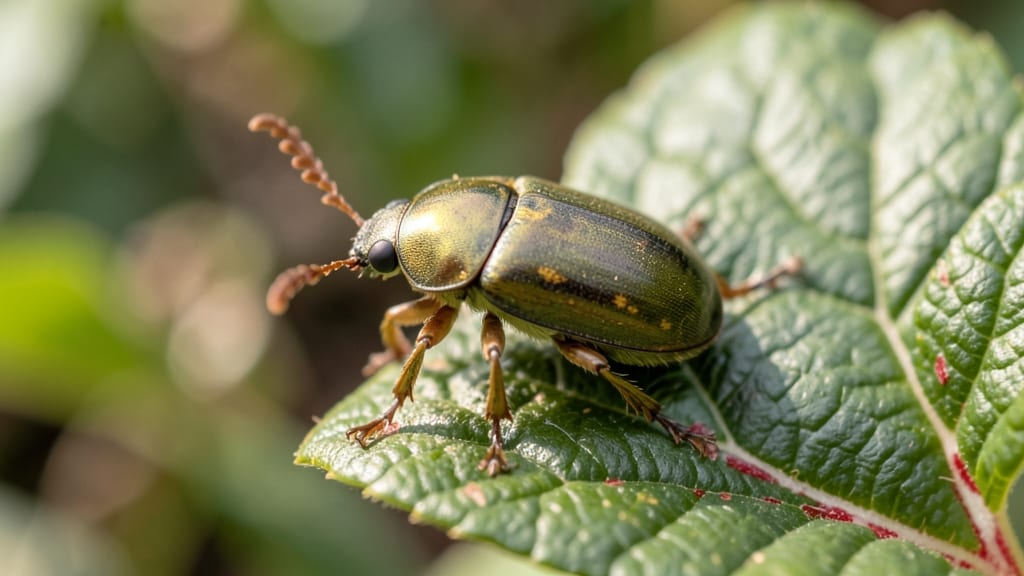
Controlling the Asiatic garden beetle 🐞 before it devastates your garden starts with knowing its life cycle—and the good news is, you can stop it naturally.
If you’ve noticed ragged leaves on your prized garden plants or mysterious grubs tunneling through roots, the Asiatic garden beetle could be the culprit—and understanding its life cycle is the key to stopping it naturally.
These beetles don’t just attack plants; they target roots, stems, and foliage, turning your hard work into a buffet. But with the right timing and eco-friendly methods, you can break their cycle before they take over.
In this guide, I’ll walk you through each stage of their development, natural control methods, and preventive steps to keep your garden thriving without harsh chemicals.
Asiatic garden beetle life cycle stages explained (egg to adult)
The Asiatic garden beetle (Adoretus sinicus) follows a complete metamorphosis life cycle, meaning it transitions through four distinct stages: egg, larva, pupa, and adult. Understanding each phase helps you predict when damage will occur and when to intervene.
These beetles are notorious for attacking over 100 plant species, including vegetables, fruits, and ornamental plants.
Timing is everything when dealing with this pest. The life cycle typically spans 1 year, with larvae causing the most damage during their summer feeding period. By recognizing each stage, you can implement targeted control measures—like handpicking larvae or applying organic sprays—before they mature into destructive adults.
Key damage periods occur during the larval stage (June–August), when grubs feed on roots, and the adult stage (May–September), when beetles chew leaves. Knowing these windows allows you to act proactively and protect your garden.
| Stage | Duration | Appearance | Damage Type | Best Control Time |
|---|---|---|---|---|
| Egg | 3–7 days | Tiny, oval, yellow-orange | None (underground) | Prevent egg-laying with mulch |
| Larva | 60–90 days | White, C-shaped grubs, 1-inch long | Root feeding, stunted plants | Handpick or nematodes in summer |
| Pupa | td style="padding: 10px; border-bottom: 1px solid #ccc;">10–14 daysBrown, immobile, 0.5-inch | None (underground) | Disrupt pupation with tilling | |
| Adult | 60–90 days | Black with orange legs, 0.5-inch | Leaf notching, skeletonization | Handpick or neem oil spray |
The egg stage begins in late spring when adult females lay clusters of 20–30 eggs in soil near plant roots. These eggs hatch in 3–7 days, releasing larvae that immediately start feeding. To disrupt this cycle, apply diatomaceous earth or row covers in early spring to prevent egg-laying.
Larvae are the most destructive phase, feeding on roots for 2–3 months (June–August). Look for wilted or yellowing plants as a sign of root damage. Handpicking larvae at night with a flashlight or using beneficial nematodes (Steinernema carpocapsae) can significantly reduce populations.
During the pupa stage, larvae transform into adults underground. This phase lasts 10–14 days and is less visible but critical for breaking the cycle. Light tilling in late summer can expose pupae to predators like birds or reduce their survival rates.
The adult beetle emerges in late summer, feeding on foliage until frost. Their notched leaves and skeletonized foliage are classic signs of adult activity. Target adults with handpicking during evening hours or organic sprays like neem oil or kaolin clay.
Monitor your garden closely in May and June for adult beetles, as this is when they begin laying eggs. Installing yellow sticky traps can help track their activity and reduce their numbers before the next generation emerges.
By understanding each stage, you can time interventions effectively. For example, apply nematodes in June to target larvae, while handpicking adults in August prevents egg-laying. Consistency is key to breaking the beetle’s life cycle naturally.
Remember, the larval stage causes the most damage, so focus on soil treatments like compost tea or milky spore to create an unfavorable environment for grubs. Combine these methods with crop rotation and healthy soil practices for long-term control.
🌱
Natural control methods for Asiatic garden beetles (no chemicals needed)
When Asiatic garden beetles invade your garden, chemical pesticides aren’t your only option. These destructive pests thrive in lawns and gardens, but you can combat them using eco-friendly, natural methods that protect both your plants and the environment.
Start by understanding their behavior—adults feed on foliage, while larvae munch on roots, creating chewed leaves and wilting plants.
One of the most effective natural controls is handpicking beetles during early morning hours when they’re sluggish. Drop them into soapy water to eliminate them instantly. For larvae, focus on soil treatments like beneficial nematodes, which are microscopic predators that target grubs without harming plants or beneficial insects.
Pros-Cons Box: Natural Asiatic Garden Beetle Control Methods
Handpicking Beetles
Pros: Immediate results, no chemicals, free
Cons: Time-consuming, requires daily monitoring
Beneficial Nematodes
Pros: Targets larvae, organic, long-lasting
Cons: Requires moist soil, takes 1-2 weeks to work
Companion Planting
Pros: Prevents infestations, enhances garden health
Cons: Needs planning, may not work for severe cases
Neem Oil Spray
Pros: Organic, deters adults, safe for most plants
Cons: Must reapply frequently, can harm beneficial insects
Another powerful strategy is companion planting. Interplanting garlic, onions, or marigolds around vulnerable plants repels beetles with their strong scents. These natural deterrents also improve soil health, creating a less hospitable environment for pests. For example, marigolds release allelochemicals that deter beetles while attracting pollinators.
If you’re dealing with an existing infestation, neem oil spray is a go-to organic solution. Mix 1 tsp neem oil with 1 quart of water and a drop of dish soap as an emulsifier.
Spray foliage in the early evening to avoid harming bees. Repeat every 7-10 days until beetles disappear. This method disrupts their feeding and breeding cycles without toxic residues.
For larvae control, focus on soil health. Amend your soil with compost and organic matter to encourage beneficial microbes that outcompete beetle larvae. Avoid overwatering, as soggy soil attracts grubs. Instead, water deeply but infrequently to promote drought-tolerant plants that beetles avoid.
Finally, crop rotation disrupts the beetle’s life cycle. Avoid planting susceptible crops like corn, beans, or potatoes in the same spot year after year. Rotate with non-host plants like brassicas or herbs to break the cycle. This preventative measure reduces larval survival rates significantly over time.
By combining these natural methods, you can regain control of your garden without relying on harmful chemicals. Consistency is key—monitor your plants regularly and act at the first sign of damage to prevent outbreaks.