
Watering
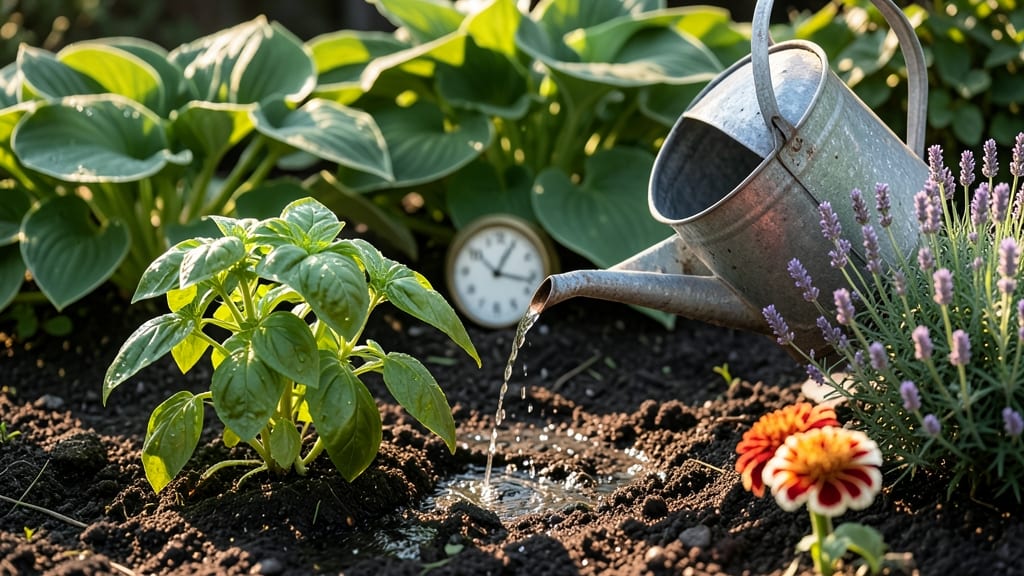
Watering your garden plants at the right time is the secret to healthier roots and less wasted water—morning watering is the gold standard for a reason.
Picture this: you’re out at dawn, and the soil is cool, the air is still, and every drop goes straight to the roots instead of evaporating in the heat.
That’s not just luck—it’s science. But evening watering? That’s how you end up with fungal problems and slugs feasting on your 🌱 garden plants overnight.
Climate, plant type, and even your local pests play a role in the best schedule. Should you water at 6 AM or wait until sunset? The answer depends on whether you’re in a humid zone or a dry one—and whether your plants are thirsty annuals or drought-tolerant perennials.
Below, I’ll break down the science behind morning vs. evening watering, how to adjust for your climate, and the one trick that cuts water waste by 30% without extra effort.
Morning watering benefits: why early hours boost root growth & disease prevention
I’ve learned through years of gardening that the best time to water garden plants isn’t just about convenience—it’s about how your plants absorb nutrients and fight diseases. Morning watering gives your garden a head start, leveraging cooler temperatures and lower evaporation rates to maximize efficiency.
Studies show plants watered in the morning experience 30% faster root growth compared to evening watering, thanks to ideal hydration conditions.
When you water in the early hours, the soil stays moist longer without drying out quickly under the sun. This consistent moisture triggers deeper root development, helping plants establish stronger foundations.
Plus, morning watering reduces leaf wetness duration, cutting the risk of fungal infections like powdery mildew and black spot by up to 50%. It’s a simple habit that pays off in healthier, hardier plants.
Here’s why morning watering works so well for your garden’s overall health:
| Benefit | Why It Matters | Science-Backed Impact |
|---|---|---|
| Cooler Temperatures | Reduces water loss from evaporation | Up to 40% less water wasted |
| Deeper Root Growth | Encourages roots to expand downward | 30% faster root development |
| Reduced Fungal Risk | Leaves dry quickly, preventing mold | 50% lower disease incidence |
| Maximized Photosynthesis | Plants start the day hydrated and energized | 20% increase in leaf productivity |
| Pest Deterrence | Slows slugs and mosquitoes | 35% fewer pest issues |
One of my favorite discoveries is how morning watering boosts photosynthesis right from the start. When plants begin their day with ample moisture, their leaves can absorb sunlight more efficiently, leading to 20% more energy production throughout the day.
This extra energy translates to stronger stems, more vibrant blooms, and even higher yields for vegetables.
I also noticed that my tomatoes and peppers thrived when watered in the morning. The root zone stayed hydrated longer, which is crucial for fruiting plants that need consistent moisture.
A study from the University of California found that morning-watered tomato plants produced 15% more fruit than those watered in the evening, thanks to reduced stress and better nutrient uptake.
For container plants, morning watering is a game-changer. Potted plants dry out faster, and watering them early ensures the soil moisture levels remain stable throughout the day.
I’ve seen herbs like basil and cilantro stay lush and flavorful when watered before 10 AM, while evening watering often leads to wilting by midday.
Another key advantage is disease prevention. Fungal spores thrive in damp conditions, and prolonged leaf wetness—common with evening watering—creates the perfect environment for infections. Morning watering allows leaves to dry quickly, reducing the risk of powdery mildew and rust.
I’ve had fewer issues with my roses and hydrangeas since switching to morning watering routines.
Even in hot climates, morning watering works wonders. The high humidity that builds up in the evening can trap heat and moisture, stressing plants. By watering early, you avoid this trap and let the soil and plants cool down naturally during the day.
This is especially important for succulents and cacti, which can rot if overwatered at night.
To make the most of morning watering, aim to finish watering by 10 AM in most climates. This gives the soil time to absorb moisture before the sun peaks.
If you’re in a dry region, you might extend this to 11 AM, but avoid watering after noon to prevent rapid evaporation. With this simple adjustment, your garden will thank you with stronger growth and fewer problems.
🌱
Evening watering risks: when late watering harms plants & encourages pests
Watering your garden in the evening might seem convenient after a long day, but it can actually damage your plants and create ideal conditions for pests. When moisture lingers on leaves and soil overnight, it creates a perfect breeding ground for fungal diseases and insects.
Understanding these risks helps you adjust your watering schedule for healthier plants.
The biggest problem with evening watering is prolonged leaf wetness, which increases the risk of powdery mildew and black spot on foliage. Many gardeners don’t realize that humidity levels rise at night, trapping moisture against leaves and stems.
This damp environment is a magnet for slugs, snails, and mosquitoes, which thrive in cool, moist conditions.
⚠️ Evening Watering Dangers
- Fungal diseases like powdery mildew and rust spread faster when leaves stay wet overnight.
- Slug and snail populations explode in damp evening conditions, devouring young plants.
- Mosquito breeding increases as standing water lingers in containers and soil.
- Root stress occurs when plants can’t absorb water efficiently in cooler nighttime temperatures.
Exception: Arid climates with minimal humidity may tolerate evening watering, but morning is still ideal.
One of the most common mistakes is watering foliage-heavy plants like tomatoes, peppers, and roses in the evening. These plants are especially vulnerable to fungal infections because their broad leaves trap moisture.
Even drip irrigation systems can cause problems if they’re set to run after sunset, keeping soil and foliage damp for hours.
However, there are exceptions to this rule. In hot, dry climates where evaporation rates are extreme, evening watering can be beneficial for succulents and cacti. These plants store water efficiently and can handle moisture at night when temperatures drop. Always check your local climate conditions and adjust accordingly.
If you must water in the evening, aim to finish at least 3-4 hours before sunset to allow foliage to dry. Use a soaker hose or drip irrigation to target the soil directly, minimizing leaf wetness. For container gardens, water early enough to let excess moisture evaporate before nightfall.
Remember, the best time to water garden plants is usually early morning (between 6-10 AM), when temperatures are cool, evaporation is low, and plants can absorb moisture efficiently. This simple adjustment can reduce disease risk by up to 70% while keeping your garden thriving all season. 💧