
Watering
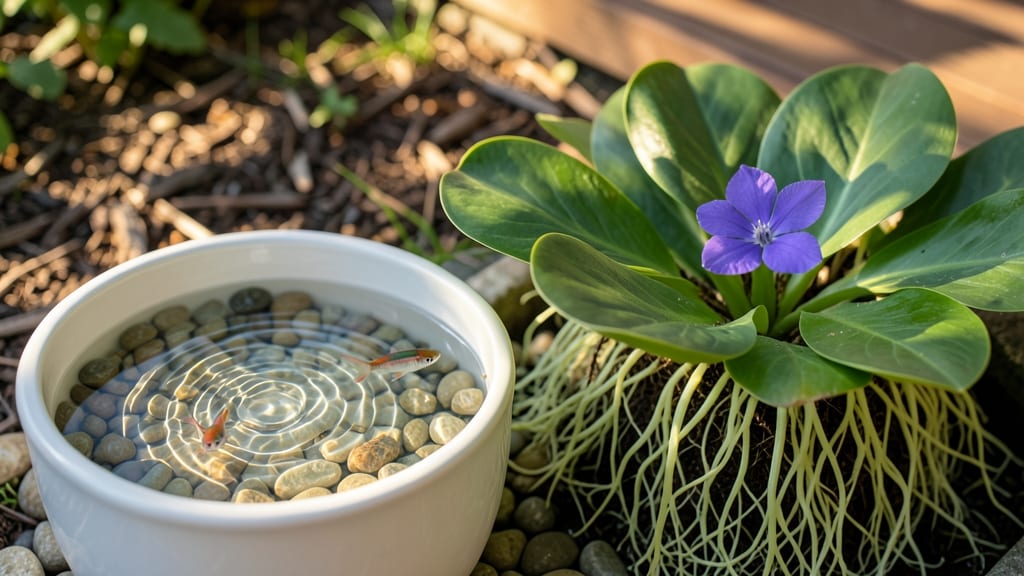
Growing container water garden plants 🌿 is easier than you think—even if your space is tiny or your schedule is packed.
Picture this: a mini oasis on your patio, balcony, or even a sunny windowsill, where water lilies drift and marginal plants sway without needing a full backyard. The key? Choosing the right plants for your setup and keeping the water clean with minimal effort.
In this guide, I’ll walk you through selecting hardy aquatic plants for pots, picking the perfect container (ponds, troughs, or even repurposed buckets), and maintaining crystal-clear water all season long—no green thumb required.
You’ll discover low-maintenance picks that thrive in shallow water, how to avoid common pitfalls like algae, and tips to keep your tiny water garden looking fresh from spring through fall.
Best container water garden plants for small spaces
Creating a container water garden doesn’t require a backyard—just a sunny spot and the right aquatic plants! Whether you have a balcony, patio, or windowsill, these low-maintenance varieties will thrive in pots, troughs, or even repurposed containers.
The key is selecting a mix of oxygenators, floaters, and marginals to create a balanced, self-sustaining ecosystem that’s both beautiful and functional.
For beginners, I recommend starting with hardy, fast-growing plants like water hyacinth or duckweed—they’re forgiving, adaptable, and perfect for small spaces. These plants not only add visual appeal but also improve water quality by absorbing excess nutrients that fuel algae growth.
Plus, many are edible or medicinal, adding an extra layer of usefulness to your setup.
🌿
One of my top picks for small spaces is duckweed—it’s a fast-growing floater that doubles in size every 2-3 days! This oxygenator thrives in shallow water (just 1-2 inches deep) and helps suppress algae by outcompeting it for nutrients.
It’s also edible (rich in protein) and safe for chickens to peck at, making it a dual-purpose plant for homesteaders.
For a low-maintenance marginal, try water forget-me-not (Myosotis scorpioides). This hardy perennial tolerates partial shade and grows beautifully in 1-2 inches of water. Its delicate blue flowers add color without requiring much attention. Pair it with water mint for a fragrant, pollinator-friendly edge to your container.
If you’re looking for edible aquatic plants, watercress is a must-have. It grows quickly in cool weather and can be harvested year-round in mild climates. Plant it in a shallow tray with 1-2 inches of water and place it in partial sun.
Just be sure to harvest regularly to encourage bushier growth and prevent bolting.
For tropical vibes, miniature lotus (Nelumbo nucifera) is a showstopper. While it needs full sun and deeper water (6+ inches), its delicate pink blooms are worth the effort.
Start with a small container (12+ inches wide) and upgrade as the plant matures. Just remember—lotus tubers multiply quickly, so divide them every 2-3 years to keep your setup manageable.
🌱
No
How to choose the right container for your water garden
Creating a container water garden is easier than you think, but selecting the right container makes all the difference. The wrong choice can lead to stagnant water, root rot, or even plant death.
Your container must balance durability, aesthetics, and functional design—whether you're using a repurposed trough or a dedicated pond liner. Start by considering the material first, as it directly impacts water quality and plant health.
Plastic containers, like HDPE or PVC, are lightweight and affordable, making them ideal for beginners. They won’t crack in freezing temps and come in endless shapes, from half-barrels to modern planters. However, they can degrade under direct sunlight over time.
On the other hand, fiberglass or resin containers are UV-resistant and sleek, but they’re pricier and harder to move. For a natural look, stone or ceramic containers add charm but may require extra sealing to prevent leaks.
Container Material Pros & Cons
Plastic (HDPE/PVC)
- ✅ Lightweight & affordable
- ✅ Easy to move/reposition
- ✅ Non-porous (won’t absorb water)
- ❌ Can degrade in sunlight
- ❌ Limited aesthetic options
Fiberglass/Resin
- ✅ UV-resistant & durable
- ✅ Sleek, modern designs
- ✅ Long lifespan
- ❌ Expensive upfront cost
- ❌ Heavy & hard to move
Stone/Ceramic
- ✅ Natural, rustic aesthetic
- ✅ Blends with landscapes
- ❌ Requires sealing
- ❌ Heavy & fragile
Wood (Cedar/Treated)
- ✅ Natural & customizable
- ✅ Good insulation for roots
- ❌ Needs sealing & maintenance
- ❌ Can rot over time
Next, focus on size and depth, as these determine which plants will thrive. For floating plants like water hyacinth, a shallow container (3–6 inches deep) works perfectly. But if you’re growing oxygenators like hornwort or marginal plants such as sweet flag, aim for 6–12 inches of water depth.
Remember, deeper water requires more maintenance to prevent stagnation, while shallow setups dry out faster in hot weather.
Don’t overlook drainage and overflow. Even water gardens need a way to manage excess water—whether from rain or overzealous watering. Add a small overflow spout or place your container on a drip tray to catch runoff.
For containers without built-in drainage, drill holes in the bottom and line them with a waterproof liner to prevent soil loss. Pro tip: Use a gravel layer at the bottom to improve drainage while keeping roots stable.
Finally, think about placement. Your container should get 4–6 hours of sunlight daily but avoid harsh afternoon sun in hot climates. East- or west-facing spots are ideal. If your space gets limited sunlight, opt for shade-tolerant plants like water lettuce or Java fern.
Also, ensure your container is stable—wind can tip over lightweight plastic setups, so add feet or weights if needed.
With the right container, your water garden plants will flourish with minimal fuss. Start small, experiment with materials, and don’t be afraid to get creative—even a repurposed kiddie pool can become a stunning aquatic haven! 🌿