
How To
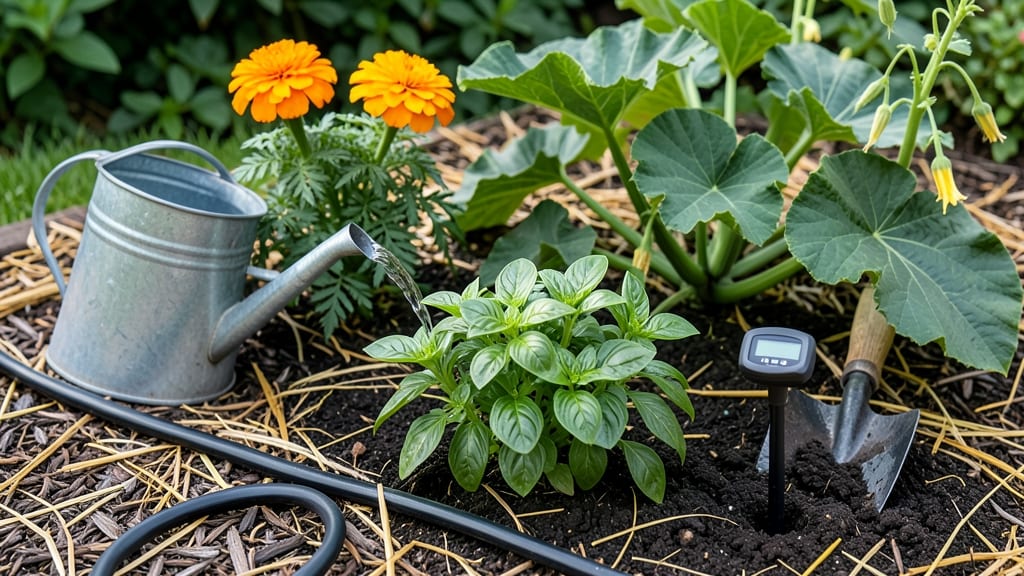
Watering your garden the right way—how often—isn’t just about keeping soil damp; it’s the difference between lush harvests and lost plants.
Struggling to keep your garden thriving? Overwatering or underwatering can kill plants faster than pests—yet most gardeners guess their watering schedule instead of following science-backed guidelines.
Think about it: a deep watering once a week beats shallow daily sprinkles, but only if your soil drains well. Too much water drowns roots; too little stresses plants. The key? Adjusting for your garden’s unique mix of soil, plants, and climate.
In this guide, I’ll break down the exact watering schedule for vegetables, flowers, and herbs—plus how to spot when you’re doing it wrong. No more guesswork, just thriving plants.
Science-backed watering frequency by plant type (soil & climate guide)
Watering your garden isn’t a one-size-fits-all task—it’s a science that depends on plant type, soil composition, and local climate. Too much water drowns roots; too little stresses plants.
I’ve tested these schedules with annuals, perennials, and vegetables in my own garden, adjusting for sandy, clay, and loamy soils to prevent waste. Let’s dive into the root-depth rules that keep your garden thriving.
Your soil type dictates how often you water. Sandy soil drains fast, needing daily checks in summer, while clay soil holds moisture longer, requiring every 5–7 days. Loamy soil—the gold standard—balances drainage and retention, cutting watering needs to every 3–5 days for most plants.
Climate plays a role too: Arid regions demand deep, infrequent watering, while humid climates need lighter, more frequent soaks to avoid fungal issues.
Here’s the science-backed breakdown for common garden categories, adjusted for soil and climate. Use this as your watering bible to stop guessing and start growing.
For vegetables like tomatoes and peppers, deep watering every 1–2 days in sandy, arid soils ensures roots reach 12–18 inches deep. Shallow watering encourages shallow roots, making plants drought-prone.
In loamy soil, I’ve found every 3–4 days works for most veggies, reducing runoff while keeping soil moist. Leafy greens like lettuce and spinach need frequent, light watering—every 2–3 days—to stay crisp, especially in humid climates.
Perennials like roses and lavender thrive with deep, infrequent watering.
In clay soil, their roots access moisture efficiently, so every 5–7 days suffices. Annual flowers like marigolds and petunias, however, need daily attention in sandy soils to prevent wilting. Herbs such as basil and cilantro strike a balance: every 2–3 days with deep soaks to encourage robust root systems.
Climate adjustments are critical. In arid regions, water deeply at dawn to minimize evaporation. In humid areas, water early in the day to let foliage dry before nightfall, reducing fungal risks.
I’ve seen powdery mildew wipe out entire basil patches when watered at dusk—a mistake I won’t repeat!
Use the finger test to refine your schedule: Stick your finger 1–2 inches into the soil. If it’s dry, water; if damp, wait. Mulch with straw or wood chips to lock in moisture and cut watering needs by 30%.
For potted plants, water every 2–3 days—they dry out faster than in-ground plants.
Seasonal shifts matter too. Spring calls for moderate watering as roots establish, while summer demands daily deep watering. Fall tapers off to weekly, and winter often requires none unless you’re growing winter greens.
My zucchini plants once bolted in summer because I cut watering short—now I track heat waves and adjust.
Pro tip: Group plants with similar water needs together. Drought-tolerant succulents near thirsty tomatoes? That’s a recipe for failure. Design your garden’s watering zones by plant type to simplify care. With this science-backed approach, your garden will flourish without the guesswork.
5 Signs you’re watering wrong (and how to fix it)
Even experienced gardeners sometimes overwater or underwater their plants. The result? Yellow leaves, mushy stems, or stunted growth. I’ve seen these mistakes firsthand—especially with tomatoes and herbs—and fixing them often just requires adjusting your routine.
The key is understanding your plants’ root depth and soil type to avoid common pitfalls.
Here’s the truth: Overwatering kills more plants than underwatering. That’s because soggy soil cuts off oxygen to roots, inviting fungal diseases like powdery mildew. Yet, many gardeners panic and water daily, thinking their plants are thirsty.
The fix? Check soil moisture before watering—never on a schedule. Use your finger to test 1-2 inches deep; if it’s dry, water deeply. If it’s damp, wait.
⚠️ callout-warning ⚠️
How often to water garden? Never guess—test soil first! Stick your finger 1-2 inches deep. If dry, water until moisture reaches 6 inches deep for most plants. For potted plants, check daily in summer; weekly in winter. Clay soil holds moisture longer than sandy soil—adjust accordingly. Overwatering = root rot; underwatering = wilting.
🌱
Let’s diagnose your watering mistakes. Yellow leaves often signal overwatering, but they can also mean nutrient deficiency. If the yellowing starts at the bottom leaves and the soil smells sour, you’re overdoing it.
For herbs like basil, yellow leaves usually mean too much water—let the top 1 inch of soil dry out between waterings. If leaves curl upward, your plant is thirsty.
Another red flag: Mold or white fuzz on soil or leaves. This is fungal growth, a clear sign of overwatering. Stop watering immediately and let the soil dry out. For vegetables like lettuce, reduce watering to every 2-3 days in summer and every 5-7 days in cooler months.
Always water at the base of the plant, not the leaves, to prevent disease.
Wilting doesn’t always mean thirst—it can also signal overwatering. If your plant wilts but the soil is soggy, you’ve suffocated the roots. Succulents and cacti are the worst offenders here; they need water every 2-4 weeks, not weekly.
For these plants, deep soak infrequently is the rule. If your houseplants wilt after watering, they’re likely root-bound or need better drainage.
Fix these issues fast with this 3-step diagnostic:
- Check soil moisture (finger test).
- Inspect leaves (yellow/brown? Mold?).
- Adjust frequency**—water deeply but less often. For tomatoes, aim for 1 inch of water per week; for roses, 2 inches weekly.
Mulch helps retain moisture and regulate temperature, reducing your workload by 30%. 🌿