
Tools
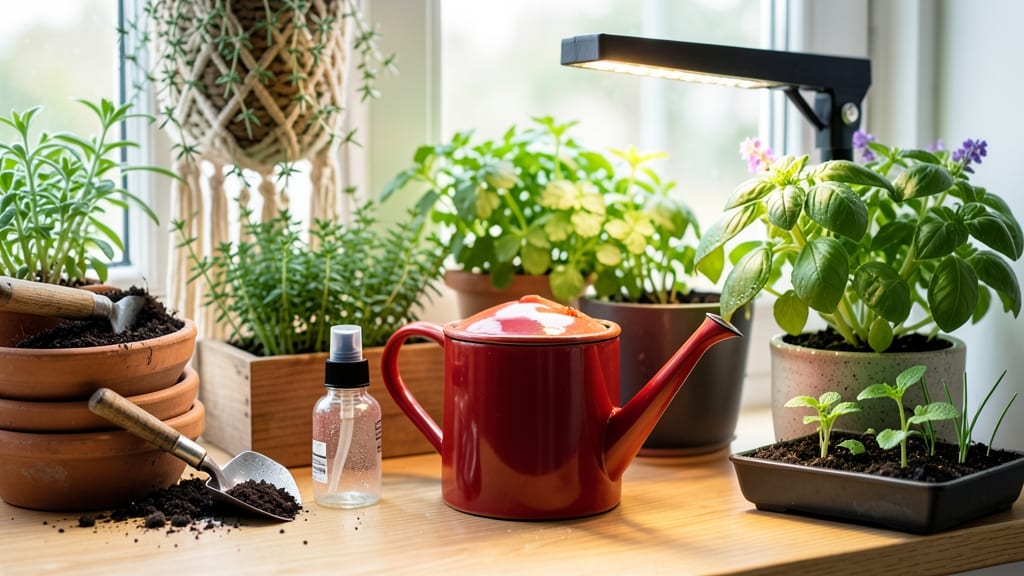
Having a garden in an apartment is easier than you think—with the right setup, you can grow fresh apartment-friendly herbs 🌿 and more without needing a yard.
Picture this: a tiny balcony bursting with basil, a windowsill farm of leafy greens, or a vertical wall of trailing plants—all thriving in square footage you already own. The key isn’t space; it’s smart systems like self-watering planters and vertical gardening that turn even a studio into a green oasis.
You’ll learn which plants thrive in small spaces, how to maximize light (even in shady apartments), and the 3 biggest mistakes that kill apartment gardens before they start. No green thumb required—just a little creativity and the right tools.
By the end, you’ll have a step-by-step plan to start your own low-maintenance apartment garden, whether you’re a beginner or just running out of counter space for pots.
Best space-saving garden systems for apartments: vertical & compact solutions
Transforming your apartment into a lush garden starts with choosing the right space-saving systems. Whether you have a tiny balcony or just a sunny windowsill, these innovative setups maximize growing potential without sacrificing style.
Vertical gardens, tiered shelves, and compact planters turn limited square footage into a thriving green oasis—perfect for herbs, leafy greens, and trailing vines that thrive in small spaces.
For renters or urban dwellers, wall-mounted planters and hanging gardens are game-changers. They free up floor space while adding visual interest to bare walls. My favorite? A modular vertical planter system that fits snugly against a kitchen wall, where I grow basil, thyme, and parsley year-round.
The key is selecting systems that match your sunlight conditions and plant types—some thrive in full sun, while others prefer bright indirect light.
Here’s how to choose the best system for your needs:
If you’re short on sunlight, a window farm or countertop garden with LED grow lights can be a lifesaver. These systems are ideal for leafy greens like spinach or kale, which tolerate lower light levels better than sun-loving plants.
I’ve successfully grown baby bok choy under a simple clip-on LED light near my kitchen window—harvesting in just 30 days! For best results, pair these with reflective surfaces like mirrors to bounce extra light onto your plants.
For those with a balcony or patio**, tiered shelves or freestanding vertical planters work wonders. These setups allow you to grow tomatoes, peppers, and even dwarf fruit trees in a fraction of the space they’d need in a traditional garden.
Just ensure your containers have drainage holes and use lightweight potting mix to avoid overwhelming small spaces. Pro tip: Rotate your plants every few weeks to ensure even sunlight exposure.
Don’t overlook the power of self-watering planters—they’re a game-changer for busy apartment dwellers. These systems use a reservoir to deliver water directly to the roots, reducing the risk of over- or under-watering.
I keep mine filled with cactus mix for succulents and well-draining potting soil for herbs, which helps prevent root rot. Plus, they’re perfect for window sills or countertops where space is at a premium.
When selecting plants, prioritize compact varieties and those with shallow root systems. Dwarf basil, cherry tomatoes, and bush beans are excellent choices, as are trailing plants like nasturtiums or sweet potatoes, which add greenery without taking up much room.
Avoid large root vegetables like carrots or potatoes unless you’re using deep planters or raised beds designed for small spaces.
One common mistake is assuming more space equals more plants. In reality, overcrowding leads to poor airflow and increased pest risks. Stick to the plant spacing guidelines on seed packets and thin seedlings early to give roots room to grow.
For example, basil plants should be spaced at least 6 inches apart, even in vertical setups. If you’re unsure, start with a single plant per container and expand as you gain confidence.
Finally, think about maintenance and mobility. If you rent, opt for lightweight, portable systems like hanging baskets or stackable planters that you can easily move. For long-term setups, consider wall-mounted gutters or fabric pockets, which are both stylish and functional.
With the right system, your apartment garden can be as productive as it is beautiful—no green thumb required!
Top 5 low-maintenance plants perfect for small apartment gardens
Even with limited space, you can grow a thriving garden in your apartment by choosing the right plants. My top picks are hardy, fast-growing varieties that thrive in containers and require minimal care. These plants deliver big rewards with minimal effort, making them perfect for busy schedules or small balconies.
I’ve focused on varieties that tolerate low light conditions and small pots, while still providing fresh flavors or vibrant foliage. Whether you’re a beginner or a seasoned gardener, these plants will help you enjoy the benefits of gardening without the hassle.
🌱 Top 5 Low-Maintenance Apartment Plants
- 1. Basil – Grows quickly in 6-inch pots with 6+ hours of sunlight. Harvest leaves regularly for continuous growth and use in cooking or salads.
- 2. Lettuce (Leaf Varieties) – Thrives in shallow containers and partial shade. Ready to harvest in just 30–45 days, perfect for quick salads.
- 3. Microgreens (e.g., Radish, Broccoli) – Grow in trays on countertops with bright indirect light. Harvest in 1–2 weeks for nutrient-packed greens.
- 4. Spider Plants – Trailing variety perfect for hanging baskets or shelves. Tolerates low light and grows quickly with minimal care.
- 5. Mint – Thrives in small pots and spreads easily. Place in morning sun to prevent legginess and harvest leaves as needed.
Each of these plants offers unique benefits while fitting seamlessly into small spaces. For example, basil and mint are perfect for cooking, while lettuce and microgreens provide fresh ingredients for salads. The spider plant adds a decorative touch without requiring much attention.
To maximize success, I recommend starting with seedlings instead of seeds to save time, especially for beginners. Use well-draining pots with drainage holes and place them near a sunny window or under grow lights.
Most of these plants will thrive with moderate watering—just keep the soil moist but not soggy.
With these low-maintenance plants, you’ll enjoy a productive garden even in the smallest apartment. Whether you’re growing herbs for the kitchen or greens for salads, these varieties make it easy to bring a touch of nature indoors without the stress of high maintenance.