
Watering
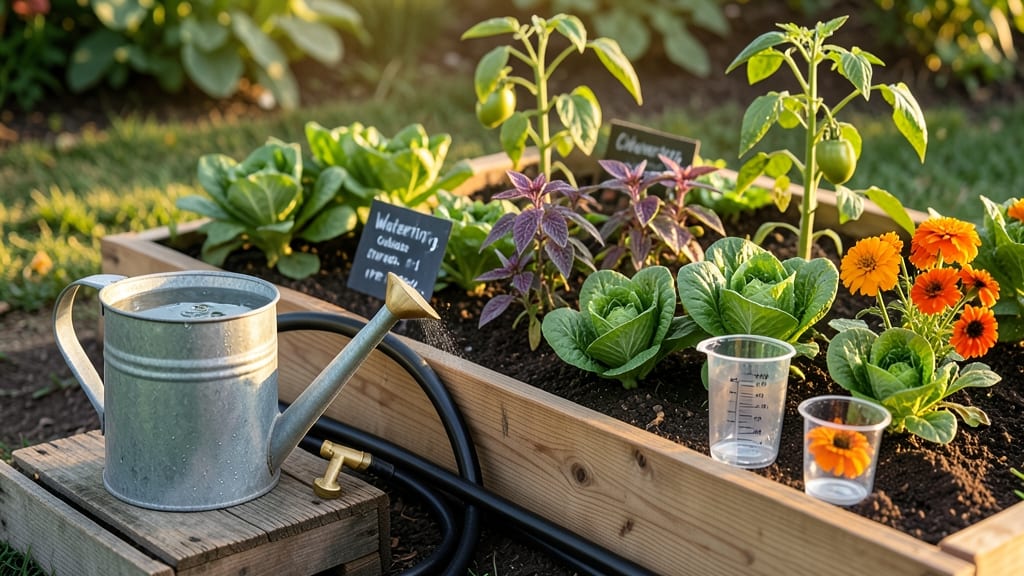
To water your garden correctly, aim for 1-2 inches of water per week—but how you deliver it makes all the difference between thriving 🌱 plants and wasted effort.
Overwatering or underwatering your garden can mean the difference between lush, thriving plants and wilted disappointment—yet most gardeners guess their watering schedule instead of using science-backed methods.
Soil type, plant roots, and even the time of day change how much water your garden truly needs. A sandy patch drains fast, while clay holds moisture for days, and morning watering cuts down on evaporation.
Here’s how to match your watering to your plants, soil, and season—plus the tools and tricks to make every drop count.
Science-backed watering schedule by plant type (with soil depth guide)
Watering your garden isn't a one-size-fits-all task—it's a science of balance between root depth, soil type, and plant needs. Most gardeners overwater by default, thinking more is always better, but drought-tolerant succulents and water-loving tomatoes require completely different approaches.
The key lies in understanding how deep your plants' roots grow and how quickly your soil drains.
For example, shallow-rooted herbs like basil need frequent, light watering, while deep-rooted perennials like lavender thrive with infrequent deep soaks. Sandy soil drains water in hours, while clay holds moisture for days—adjusting your schedule based on these factors prevents both root rot and wilting stress.
Let's break down exactly how much and how often to water based on plant type and soil conditions.
| Plant Type | Root Depth | Watering Frequency (Sandy Soil) | Watering Frequency (Clay Soil) | Water Amount per Session |
|---|---|---|---|---|
| Vegetables (Tomatoes, Peppers) | 12-18 inches | Every 2-3 days | Every 5-7 days | 1-2 gallons per plant |
| Herbs (Basil, Parsley) | 6-12 inches | Daily (light water) | Every 3-4 days | ½ gallon per plant |
| Flowers (Roses, Marigolds) | 12-24 inches | Every 3-4 days | Every 7-10 days | 1-1.5 gallons per plant |
| Succulents (Aloe, Sedum) | 2-6 inches | Every 7-10 days | Every 10-14 days | ¼ gallon per plant |
| Trees/Shrubs (Lavender, Hydrangea) | 24+ inches | Every 5-7 days | Every 10-14 days | 3-5 gallons per plant |
Notice how sandy soil requires more frequent watering because it drains quickly, while clay soil holds moisture longer, reducing the need for irrigation. The water amount per session also varies—deep-rooted plants like hydrangeas need gallons per watering, while shallow-rooted herbs only require a splash.
Always water until moisture reaches the root depth listed; use a soil probe or your finger to check.
Climate plays a huge role too. In USDA Zone 9 with hot summers, you might need to water daily for seedlings, while in Zone 5, weekly watering suffices during cooler months.
Adjust your schedule by observing leaf turgor (the firmness of leaves)—if they droop by midday, it's time to water. Mulch helps retain moisture, reducing frequency by 30-50% in both soil types.
For container gardens, the rules shift entirely. Potted plants dry out faster, so check soil moisture daily in summer and water when the top inch feels dry.
Use self-watering pots or wicking beds to maintain consistent moisture without overwatering. Remember, morning watering is ideal—it reduces evaporation and fungal risks compared to evening sessions.
Seasonal adjustments are critical. In spring and fall, water deeply but less frequently as temperatures moderate.
During summer heatwaves, increase frequency by 50% and water at the soil base (not overhead) to prevent leaf burn. Rainy seasons may require skipping watering entirely—always check soil moisture before adding more water.
One common mistake is assuming all leafy greens need the same care. Lettuce, for example, prefers consistent moisture but hates soggy roots, while kale tolerates drier conditions. Always match your watering to the specific plant's needs, not just the plant family.
Use a moisture meter for accuracy, especially in high-value crops like tomatoes or peppers.
Pro tip: Group plants with similar water needs together in your garden layout. This zone watering method saves time and ensures no plant gets overlooked. For example, place tomatoes and basil near your water source—they both need frequent hydration.
Meanwhile, lavender and rosemary can go in a drier corner with less attention.
Finally, don't rely on a rigid schedule. Weather patterns, soil amendments (like compost), and plant maturity all influence water needs. Young plants need more frequent watering than established ones, and amended soil retains moisture longer.
Stay flexible, observe your plants, and adjust as needed—your garden will thank you with vibrant growth and bountiful harvests.
How to tell if your garden needs water (5 key signs to check daily)
Guessing when to water your garden is a common mistake that leads to either soggy roots or parched leaves. Instead of relying on a schedule, I check for these 5 key signs every morning to ensure my plants get just the right amount of hydration.
The secret? Observing both above-ground clues and what’s happening below the soil surface.
First, I always start with the soil moisture test—the most reliable indicator of whether your garden needs water. Stick your finger about 1-2 inches deep into the soil. If it feels dry at this depth, it’s time to water.
For deeper-rooted plants like tomatoes or roses, check up to 4-6 inches deep—this is where their roots actively seek moisture.
🌱 5 Key Signs Your Garden Needs Water
- 🌿 1. Wilting leaves – Leaves that droop in the morning (not just afternoon) signal thirst. Check the youngest leaves first—they’re most sensitive to moisture levels.
- 💧 2. Dry soil surface – A crusty or powdery top layer means the soil isn’t retaining moisture. This is especially true for sandy soils, which drain faster than clay.
- 🌡️ 3. Temperature shock – After a hot day or windstorm, plants lose moisture rapidly. Check containers first—they dry out 3x faster than in-ground plants.
- ✂️ 4. Leaf edges curling – If leaves start curling upward (especially in herbs like basil or mint), it’s a cry for water. Overwatering causes yellowing, while underwatering causes curling.
- 🪴 5. Root zone resistance – Gently tug on the plant. If it pulls out easily, roots aren’t anchored due to lack of moisture. For perennials, this means deep watering is overdue.
For a more precise approach, I use a moisture meter—a $15 tool that takes the guesswork out of soil hydration. Insert the probe into the soil and wait for the reading.
Most plants thrive when the meter shows 40-60% moisture at root depth. Succulents and cacti, however, only need 20-30%.
Don’t forget to adjust for your local climate. In USDA Zone 6**, where I garden, I water deeply in the morning (before 10 AM) to reduce evaporation. During heatwaves, I increase frequency but shorten the duration to prevent runoff. Mulch also helps—it locks in moisture and keeps roots cool.
If you’re still unsure, group plants by their water needs. For example, tomatoes and peppers need consistent moisture, while lavender and rosemary prefer dry conditions. Separating them saves time and prevents overwatering mistakes. A quick daily check keeps your garden thriving without wasting water.